

Why Your Plants Crave Moisture
Most common houseplants, like monsteras, ferns, and orchids, are native to tropical and jungle environments where humidity can be extremely high. The average home, by contrast, often has humidity levels between 30-50%, which is far too dry for these plants to truly
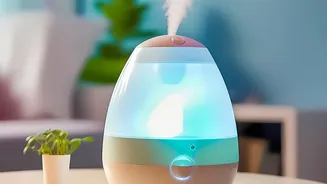
thrive. This lack of moisture in the air can lead to frustrating issues such as brown leaf tips, curling leaves, and stunted growth. While an electric humidifier is one solution, a much simpler method is to create a localised pocket of humidity right where your plant needs it most.
The Simple Science of a Pebble Tray
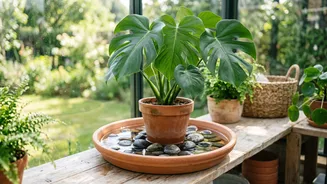
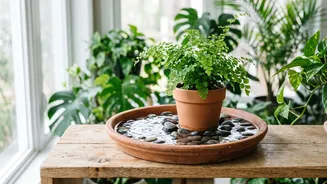
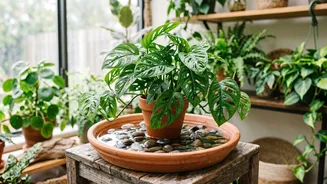
A pebble tray, also known as a humidity tray, works on the basic principle of evaporation. It’s simply a shallow dish filled with pebbles and water that sits underneath your plant pot. As the water in the tray evaporates, it rises and creates a small microclimate of higher humidity around the plant's foliage. The pebbles serve a crucial dual purpose: they increase the surface area for evaporation and, most importantly, they elevate the plant pot so its base never sits directly in the water. This prevents the soil from becoming waterlogged, which can lead to fatal root rot.
How to Build Your Own Zero-Cost Tray
Creating your own humidity tray is incredibly easy and can be done for free by repurposing items you already have. You will need three things: a shallow tray, some pebbles or stones, and tap water. For the tray, look for any waterproof saucer or dish that is wider than the base of your plant's pot; an old plate, a plastic food container lid, or a spare plant saucer will work perfectly. For the pebbles, you can gather small, clean stones from your garden or use decorative items like glass marbles or beads. Simply spread a single layer of your chosen pebbles in the tray, place your plant on top, and add water until the level is just below the top of the stones.
Best Practices for Success
To get the most out of your humidity tray, a few best practices are key. The single most important rule is to ensure the plant pot rests on top of the pebbles, not in the water. If the pot's drainage holes are in contact with the water, the soil will absorb too much moisture and the roots may rot. The tray should be wider than the plant pot to maximise the surface area for evaporation. Check the water level every few days and refill as needed; the water will evaporate faster in warmer, drier conditions. Finally, to prevent the growth of algae or bacteria, it's a good idea to clean the tray and pebbles every few weeks.
Which Plants Benefit Most?
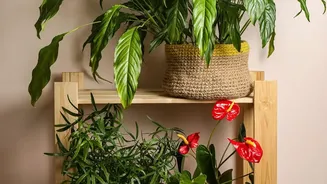
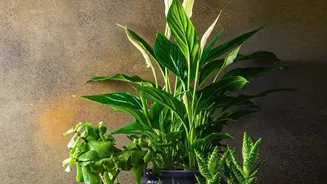
While most houseplants appreciate a little extra humidity, some crave it more than others. Tropical plants are the prime candidates for a pebble tray. This includes popular varieties like Calatheas (prayer plants), ferns (especially Boston and maidenhair ferns), orchids, and Alocasias. Other common plants that will show their gratitude with lusher growth include peace lilies (Spathiphyllum), monsteras, philodendrons, and carnivorous plants like Venus flytraps. On the other hand, plants native to arid environments, such as succulents and cacti, prefer dry air and do not need a humidity tray.
Are There Any Downsides?
While pebble trays are effective at increasing humidity in the immediate vicinity of a plant, they will not significantly raise the humidity of an entire room. For that, a mechanical humidifier is necessary. It's also important to avoid using them in very cold rooms, as the combination of high humidity and low temperatures can increase the risk of fungal issues and root rot. In some cases, standing water can also attract pests like fungus gnats, so keeping the tray clean is essential. However, for boosting moisture for a single plant or a small group of plants, a pebble tray is an excellent, low-maintenance option.