
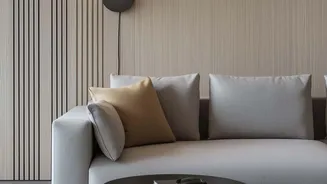
The Rise and Fall of the Monochromatic Room
The reign of the all-beige, all-white, or all-grey room was long and powerful. Driven by a desire for clean, minimalist aesthetics, homeowners stripped away color in favor of stark, simple palettes. This look, sometimes dubbed 'sad beige,' offered a visual
respite from a chaotic world and was seen as a safe, timeless choice. However, many have discovered the downside to this approach: without careful attention, these spaces can feel flat, sterile, or impersonal. When every surface has a similar tone and finish, a room can lack depth and warmth, feeling more like a showroom than a lived-in home. The pushback isn't against the color beige itself, but against the one-note execution that strips a home of its personality.
Enter Layered Neutrals: The Sophisticated Update
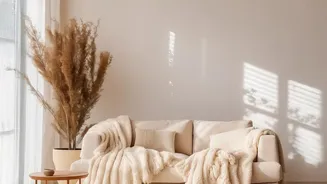
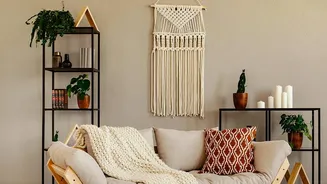
The evolution away from minimalism isn't about a chaotic explosion of color. Instead, it’s about embracing 'layered neutrals.' This design philosophy celebrates the subtle but powerful interplay of different neutral shades, textures, and materials. Think of it as the difference between a flat photograph and a rich oil painting. A layered neutral space might combine creamy whites, warm taupes, sandy beiges, and soft greys all in one room. The goal is to create a space that feels calm and cohesive, but also visually and texturally rich. It's a move toward interiors that feel collected, personal, and deeply comforting without relying on bold hues to make a statement.
Start with a Multi-Tonal Palette
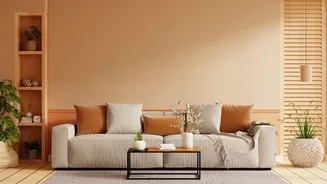
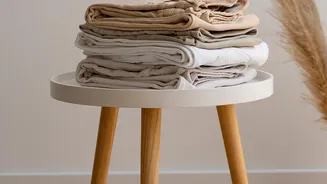
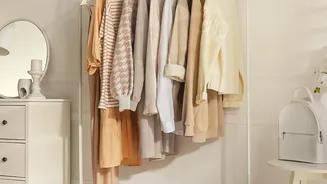
The first step to achieving this look is to expand your definition of 'neutral.' Instead of choosing a single shade of beige or grey, select a family of three to four complementary tones. A good starting point can be a favorite rug, a piece of art, or even the veining in a stone countertop. Pull different shades from that inspiration piece to build your palette. Pay attention to undertones—some neutrals are warm (with red, yellow, or pink hints), while others are cool (with blue or green hints). Sticking to one family, like warm neutrals, will help the space feel harmonious. Choose a dominant wall color, perhaps a creamy off-white or a soft taupe, to serve as a versatile backdrop for your other layers.
Texture is Your Most Powerful Tool
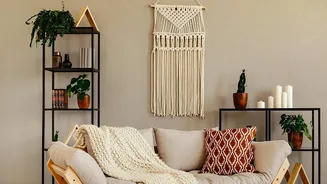
If color provides the notes, texture provides the symphony. In a layered neutral room, texture is what creates depth and interest. The key is to create contrast by mixing different materials. Pair soft, plush fabrics like bouclé, velvet, or wool with rougher, natural materials like linen, jute, or woven seagrass. Juxtapose smooth, hard surfaces such as a marble coffee table or a ceramic vase against the softness of a deep-pile rug or upholstered sofa. Even walls and windows can be part of the textural story through grasscloth wallpaper, slatted wood panels, or layered window treatments like sheer curtains paired with heavier drapes. This mix of hard and soft, rough and smooth, is what makes a neutral room feel dynamic and complete.
Incorporate Wood, Metal, and Natural Accents
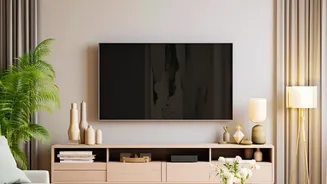
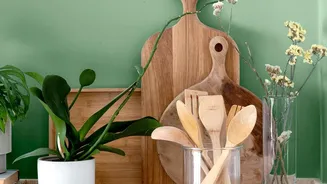
Beyond fabrics, other materials play a crucial role. Wood tones are essential for bringing warmth and a grounding, natural element to a neutral space. Don't be afraid to mix different finishes, like a pale oak floor with a darker walnut side table. Small touches of metal add a different kind of sheen and sophistication. Matte black, aged brass, or polished chrome can act as jewelry for the room, providing subtle focal points. Finally, incorporate natural elements like stone accessories, clay pottery, and plenty of green plants. These objects add an organic, sculptural quality that breaks up the monotony and breathes life into the space, ensuring your layered neutral room feels anything but bland.