




The Primary Culprit: Humidity
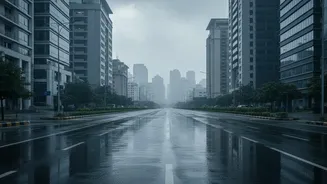
The single biggest reason it feels hotter after rain is the dramatic spike in humidity. When it rains, especially on warm ground, a lot of that water evaporates back into the atmosphere, saturating the air with moisture. Our bodies cool themselves primarily
through sweating; as sweat evaporates from our skin, it takes heat with it. However, when the air is already full of water vapour (high humidity), our sweat cannot evaporate effectively. Instead, it clings to our skin, trapping heat and making us feel sticky and much warmer than the actual air temperature might suggest. This combined effect of temperature and humidity is often called the 'heat index' or the 'feels-like' temperature.
The Concrete Jungle Effect
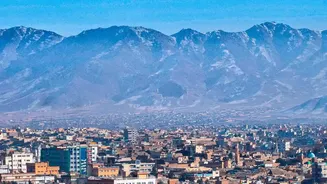
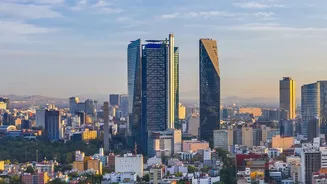
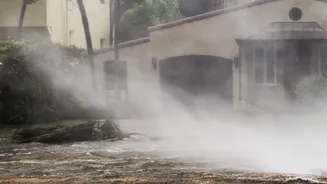
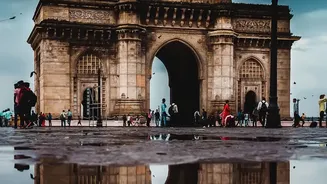
Indian cities are dense landscapes of concrete, asphalt, and other building materials. These surfaces are champions at absorbing and retaining solar radiation during the day. Unlike natural landscapes with soil and vegetation, which use moisture for cooling, urban surfaces get incredibly hot. When rain hits these superheated surfaces, it's like pouring water onto a hot skillet. The water rapidly turns into steam, instantly pumping huge amounts of moisture into the surrounding air and raising the local humidity. This phenomenon is a key component of the Urban Heat Island (UHI) effect, where cities are significantly warmer than their rural surroundings, especially after sunset when these materials slowly release the heat they've stored all day.
A Quick Physics Lesson: Latent Heat
To truly understand the post-rain heat, we need to talk about latent heat. It takes energy to change water from a liquid to a gas (water vapour). This energy is called the 'latent heat of vaporization'. When rain falls on a hot city, the heat from the ground and surfaces provides the energy to evaporate the water. This process of evaporation actually absorbs heat from the surface, which is why the ground itself might cool slightly. However, that heat isn't gone; it's now stored within the water vapour in the air around you. So, while the surfaces may have cooled, the air itself is now loaded with heat-carrying moisture, contributing to that warm, muggy feeling.
Trapped Air and Lack of Green Space
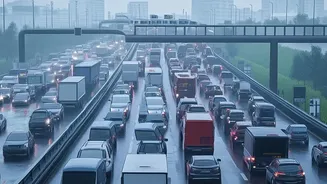
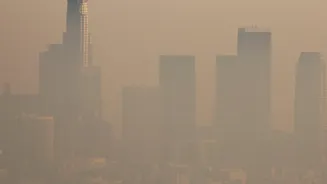
The layout of cities can make things worse. Tall buildings can trap air, preventing breezes from circulating and clearing out the humid, warm air. Furthermore, the scarcity of green spaces like parks, fields, and unpaved soil is a major factor. Trees and vegetation provide shade and contribute to cooling through a process called evapotranspiration. Soil absorbs rainwater, allowing for slower, more gradual evaporation. In a concrete-dominated environment, water has nowhere to go but back into the air almost immediately, creating a concentrated burst of humidity. Studies have shown that even a small amount of green cover can make a noticeable difference in local temperatures and comfort levels.