





Beyond Butter Chicken and Biryani
For decades, restaurant menus in major Indian cities felt remarkably similar. Whether you were in Delhi, Mumbai, or Bengaluru, the offerings often revolved around a predictable cast of characters: paneer tikka, dal makhani, and butter chicken. These dishes,
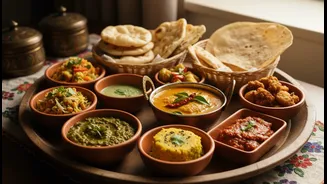
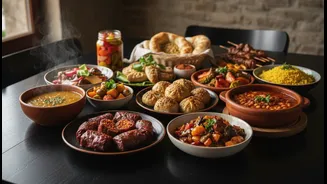
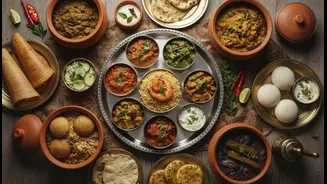
while delicious, represent just a fraction of India's vast culinary landscape. The old categories of "North Indian" or "South Indian" served as convenient but overly simplistic labels for a food culture shaped by countless communities, climates, and histories. Today, that is rapidly changing. A new wave of chefs and restaurateurs is championing what is known as regional or hyper-regional dining. Instead of a pan-Indian menu, these establishments focus on the specific food traditions of a single region, community, or even village. Think smoky Naga pork, spicy Chettinad curries, coastal Malvani seafood, or earthy Kumaoni dishes from Uttarakhand. This isn't just about adding a few new items to the menu; it's a fundamental shift in philosophy, celebrating authenticity and telling the unique story behind every dish.
The Pioneers of Regional Flavour
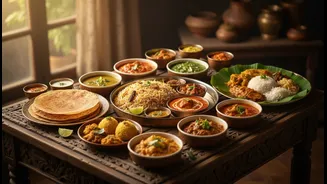
This culinary movement is led by chefs who are acting as cultural cartographers, preserving traditions that were once at risk of being forgotten. Many are travelling to villages, learning from home cooks, and documenting heirloom recipes to bring them into modern dining rooms. Restaurants are building their entire identity around specific cuisines that were previously unknown in mainstream urban markets. For instance, diners are now seeking out the complex flavours of Mappila food from Kerala, the distinct tastes of Kodava cuisine from Karnataka, or the rustic preparations from Garhwal. Pop-up events and food festivals are also playing a crucial role, allowing diners to experience forgotten recipes like the Bengali fish preparation, Ilish Paturi, or dishes that rarely leave home kitchens. These experiences go beyond just the food, often incorporating storytelling and design to create an immersive cultural journey. This shift is even being recognised globally, with a new generation of Indian chefs presenting regional flavours with pride and confidence on the international stage.
A Hunger for Authenticity and Connection
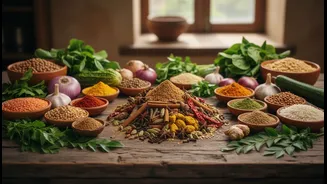
Several factors are driving this trend. Modern diners, especially younger generations, are more experimental and curious. They are tired of standardised menus and are actively seeking unique and memorable experiences they can share on social media. Food bloggers and Instagram creators have been instrumental in showcasing hidden regional gems, sparking curiosity among urban audiences. Another powerful driver is nostalgia. For millions of people who have moved to cities for work and education, regional food offers a comforting taste of home and a connection to their roots. Restaurants are tapping into this emotional connection, understanding that a simple, soul-satisfying home-style meal can be more impactful than a complex fusion dish. Furthermore, there is a growing consciousness around sustainability. The focus on regional dining often goes hand-in-hand with hyperlocal sourcing, where chefs partner directly with local farmers for fresh, seasonal produce, reducing the environmental impact of long supply chains.
A New Culinary Map for Diners
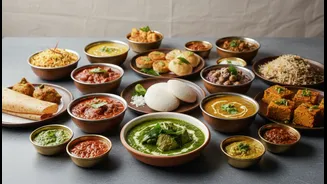
The rise of regional dining is fundamentally changing how we choose where to eat. The question is no longer just, "Should we get Indian food?" but rather, "What kind of Indian food?" Should it be the fiery curries of Andhra, the subtle flavours of Saraswat Brahmin cuisine, or the robust dishes from the mountains of Nagaland? This shift challenges diners to expand their culinary vocabulary and explore the incredible diversity within their own country. It transforms eating out from a simple meal into an act of discovery. Restaurants are no longer just places to eat; they are becoming cultural destinations that offer a gateway to a specific region's heritage. As chefs continue to unearth and celebrate India's forgotten recipes and indigenous ingredients, the dining landscape will only become richer and more varied, moving far beyond the clichés of the past.