

The Philosophy of Breath
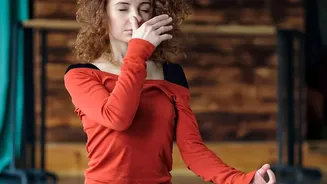
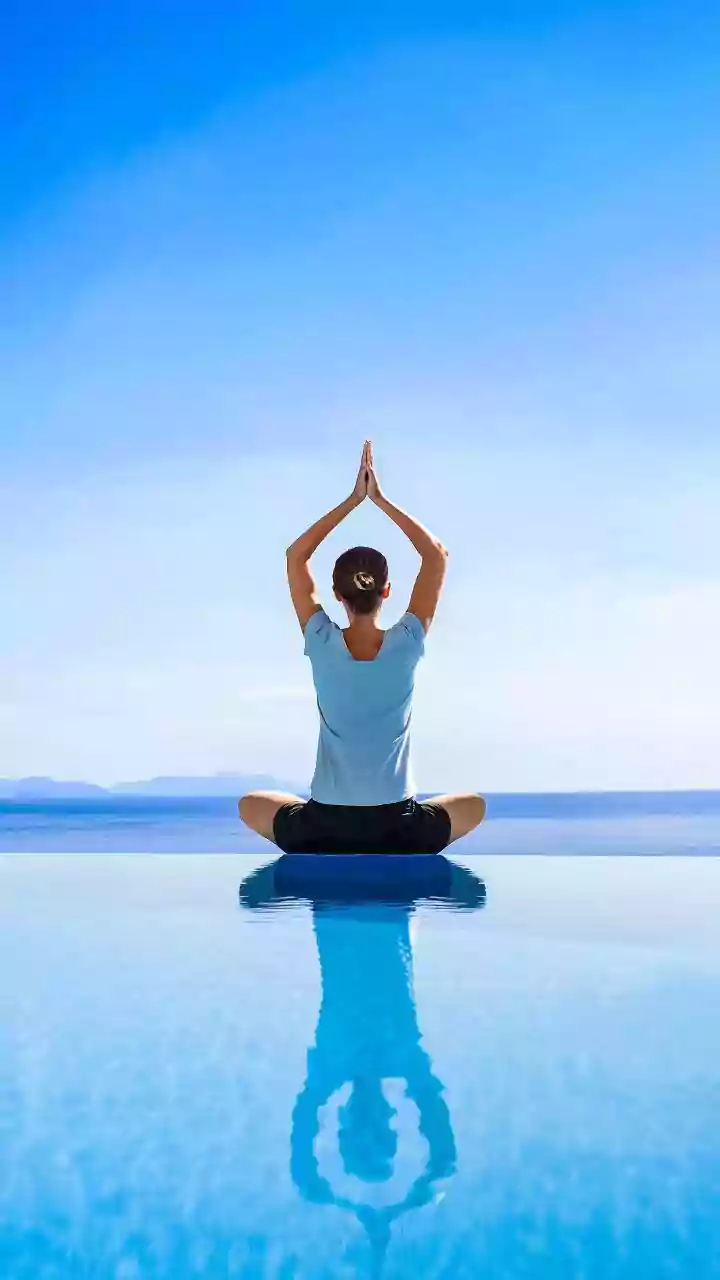
In yoga, breath is a central pillar, a practice known as Pranayama. The term translates from Sanskrit to the 'control' or 'expansion' of life force energy (prana). This isn't just about inhaling and exhaling; it's a deliberate, disciplined technique used
to quiet the mind, purify energy channels, and prepare the body for meditation. Yogic breathing is typically performed through the nose and is often structured, with specific ratios for inhalation, retention, and exhalation designed to achieve different results—some to energize, others to calm. The goal is primarily internal: to draw the senses inward and foster a state of mindful awareness.In dance, breath is more of a supportive partner to the physical and emotional demands of the movement. While dancers are highly attuned to their breath, its primary function is often to fuel stamina, support powerful movements, and convey emotion. Instead of being a formal, structured practice in itself, breathing in dance is more instinctual and responsive, syncing with the rhythm of the music and the narrative of the performance. A dancer might take a sharp inhale to express surprise or a long exhale to show release, using breath as a tool for storytelling.
The Purpose of Movement
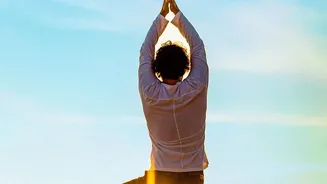
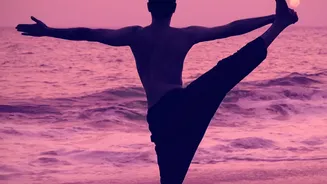
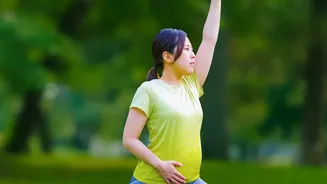
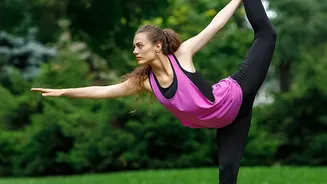
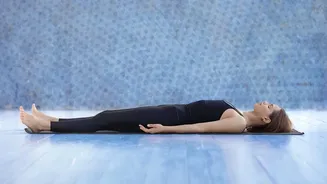
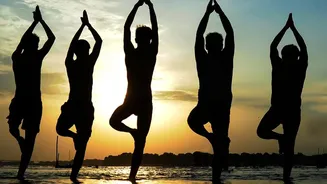
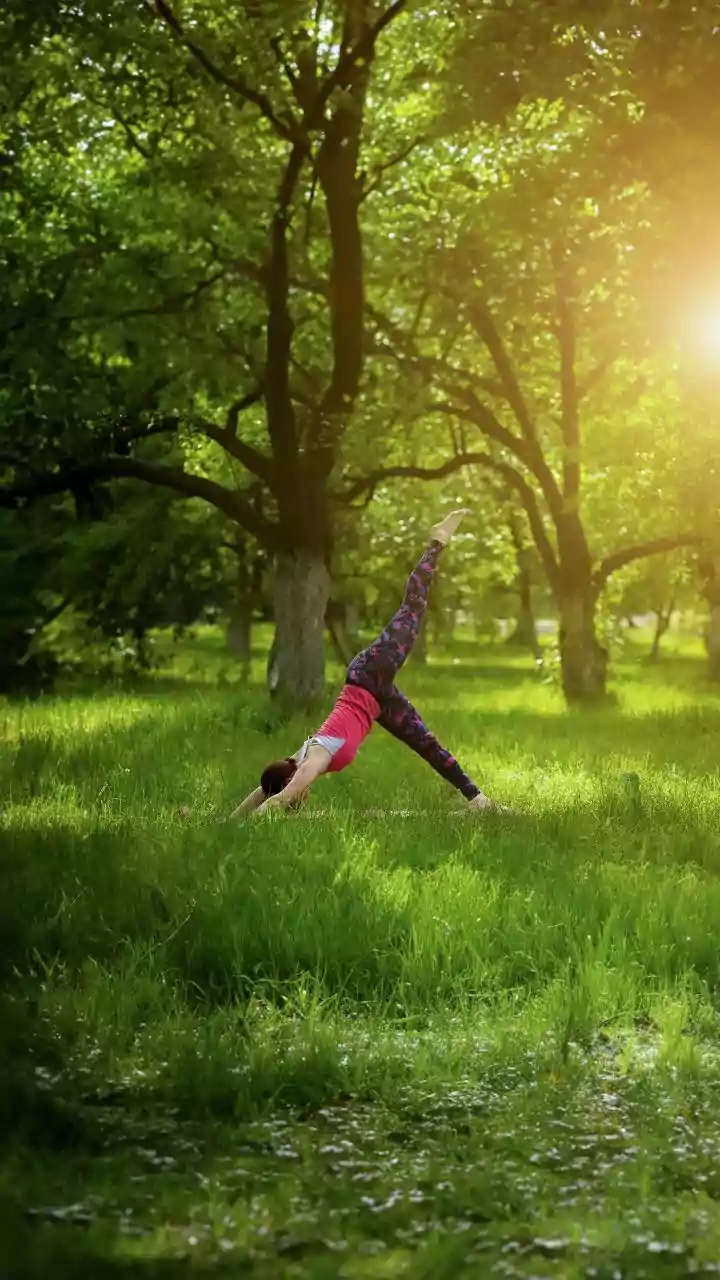
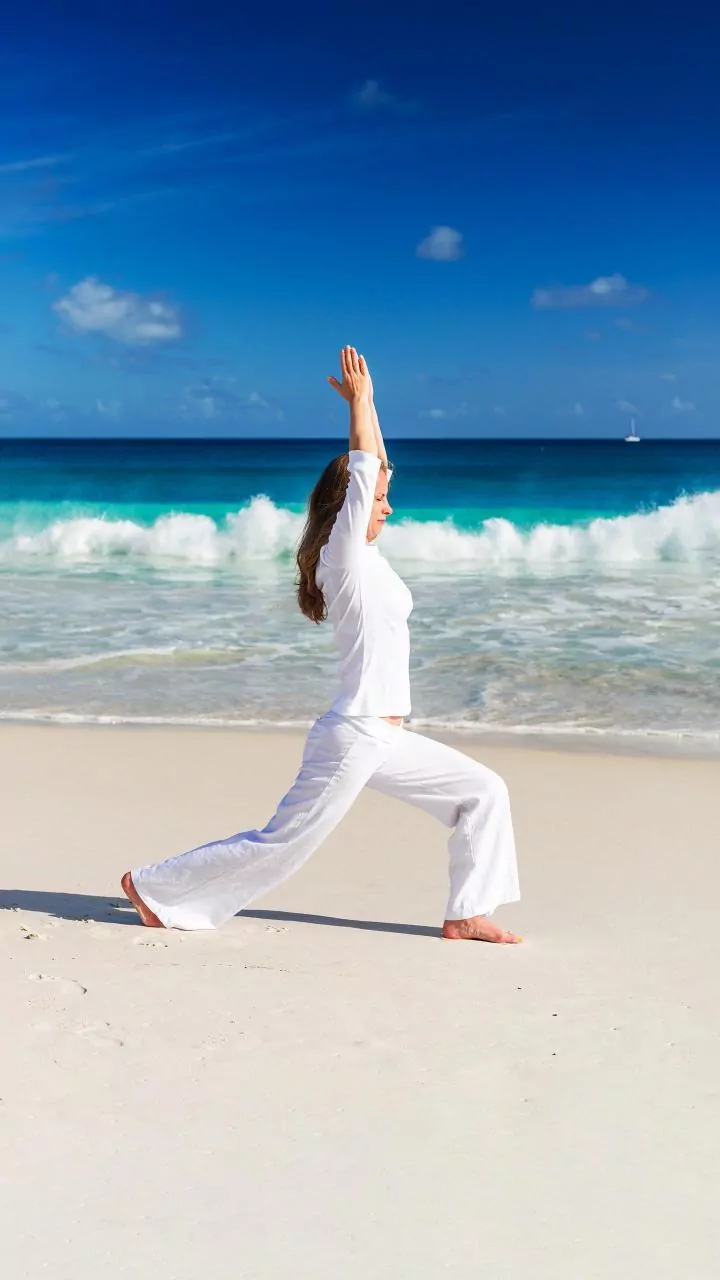
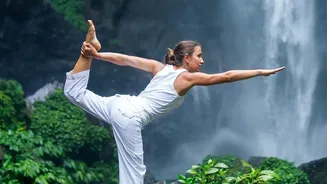
The movements in yoga, known as asanas, are postures designed to build strength, increase flexibility, and create stability in the body. While they can be physically demanding, the ultimate aim is not the external shape but the internal experience. The focus is on alignment, stability, and holding postures to cultivate stillness and concentration. This internal orientation helps the practitioner observe their body and mind without judgment, turning the physical practice into a form of moving meditation.Dance, on the other hand, is fundamentally about expressive movement. Whether it's the structured precision of ballet or the free-form flow of contemporary dance, the movement is designed to communicate an idea, an emotion, or a story to an external audience. The focus is often on aesthetics, rhythm, and the body's relationship with the surrounding space. While dancers develop immense body awareness, their energy is typically directed outward, creating a performance that connects with others.
Internal versus External Focus
This leads to the core difference: yoga cultivates an internal focus, while dance thrives on an external one. Yoga is a journey inward. Practices like Pratyahara, the fifth limb of yoga, explicitly teach the withdrawal of the senses to observe the internal landscape of thoughts and feelings. The 'perfect pose' is secondary to the practitioner's inner experience.Dance is largely a performative art form. Even when dancing for oneself, the movement is often an outward expression of an inner state. The dancer's awareness is split between their own body and the space they inhabit, the music they follow, and the audience they may be engaging. This external focus is crucial for communication and artistic expression.
Goals: Self-Realisation vs. Self-Expression
Ultimately, the two disciplines have different end goals. The traditional path of yoga is one of spiritual development, aiming for a state of unity between mind, body, and spirit. Through its various limbs, including asana and pranayama, yoga seeks to still the fluctuations of the mind and lead toward a deeper understanding of the self.Dance, while it can be a deeply spiritual and healing practice for many, is primarily a form of artistic self-expression. Its goal is to translate feelings and stories into a physical language that can be shared and witnessed. It is a celebration of emotion, rhythm, and the human form in motion. While both can lead to profound self-awareness, yoga guides you to look within, while dance helps you express what's within.