





Living in a compact urban home doesn't mean you have to miss out on the joy of a blooming garden. With the right selection, even the smallest balcony or window corner can be transformed into a vibrant, colourful oasis throughout the year.
1. Marigold (Genda)
A staple in Indian
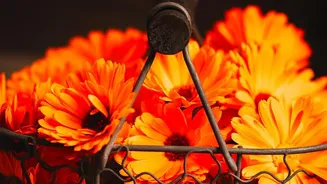
households for a reason, the marigold is arguably one of the easiest and most rewarding flowers to grow. These cheerful blooms in shades of bright yellow and deep orange thrive in full sunlight and are well-suited for the Indian climate, blooming prolifically in the cooler winter months but also capable of handling summer heat. Their compact size makes them ideal for small pots and railing planters. For continuous flowers, place them in a sunny spot, water when the topsoil feels dry, and regularly pinch off faded blooms to encourage new growth.
2. Petunia
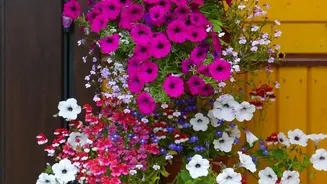
For a cascading waterfall of colour, look no further than the petunia. These trumpet-shaped flowers are winter favourites in India and come in a dazzling array of colours, including purples, pinks, and whites. They are perfect for hanging baskets and window boxes where their blooms can spill over the edges, creating a stunning visual display. Petunias need at least five to six hours of sun and well-drained soil. While they require regular watering, be careful not to make the soil soggy. The multiflora varieties are particularly resistant to rain, making them a great choice for balcony gardens.
3. Portulaca (Moss Rose)
Portulaca, also known as Moss Rose or 'nau-bajiya', is a hardy succulent that is practically made for hot and dry Indian summers. Its fleshy leaves store water, meaning it can handle infrequent watering and thrives in full sun. The flowers, which come in a variety of bright colours, open with the morning sun and close at dusk. Because it has a low, spreading habit, it's an excellent choice for shallow trays and window boxes, adding a carpet of colour without needing a deep pot.
4. Vinca (Sadabahar)
True to its Hindi name 'Sadabahar' or 'ever-blooming', the periwinkle is a resilient plant that provides colour nearly all year round. It produces small, flat flowers in shades of pink, white, and magenta almost continuously, even in intense heat and with little water. This makes it an incredibly low-maintenance option for sunny balconies and window sills. It grows well in pots with well-drained soil; just be sure to let the soil dry out between waterings to prevent root issues.
5. Dianthus (Pinks)
Often called 'pinks', dianthus flowers are cherished for their fringed petals and a distinct, spicy fragrance reminiscent of cloves. These plants are typically small, growing between 6 to 18 inches, making them perfectly suited for compact pots. They are classic winter bloomers in India, thriving in the cool weather. Dianthus plants require a sunny spot and fertile, well-drained soil to produce their charming blooms. With their pleasant scent and lovely appearance, they are a wonderful addition to any window corner where their fragrance can be appreciated.
6. Zinnia
If you want quick, bold colour during the summer months, zinnias are an excellent choice. These flowers grow fast, handle heat well, and produce daisy-like blooms in a vibrant spectrum of reds, pinks, oranges, and yellows. They are very easy to grow from seed, making them a rewarding project for beginners. Plant them in a sunny location and provide regular watering at the base of the plant to avoid wetting the leaves, which can help prevent fungal issues like powdery mildew.
7. Jasmine (Mogra)
No Indian garden feels complete without the intoxicating fragrance of jasmine. The Mogra variety, in particular, grows happily in pots and is a beloved classic. While it is a shrub, it can be kept compact with regular pruning, making it suitable for a sunny balcony or a large window pot. It thrives in the heat and humidity of the Indian summer and monsoon, producing fragrant white flowers that are often at their most potent in the evening. It requires at least four to six hours of sunlight and regular feeding during its growing season to flourish.