








Peak, Shoulder, and Off-Season Explained
All travel is seasonal, and every destination has a rhythm dictated by weather and demand. This rhythm is broken into three parts. Peak season is when a destination has its best weather, but also the highest prices and biggest crowds. Think of Europe
in the summer or Rajasthan in the winter. The off-season is the opposite: weather can be challenging—like monsoon rains or intense cold—but prices for flights and hotels can drop significantly, sometimes by as much as 30-50%. In between lies the 'shoulder season', the periods just before or after the peak. This sweet spot often offers a fantastic balance of pleasant weather, fewer tourists, and more moderate prices.
The High Price of Perfect Weather
Chasing guaranteed sunshine comes at a cost that goes beyond your bank account. During peak season, the high demand for flights and hotels means you’ll pay a premium for everything. But the cost is also paid in time and experience. Popular attractions like the Colosseum in Rome or the Eiffel Tower in Paris can have queues that last for hours in July and August. Restaurants are fully booked, beaches are packed, and the simple act of walking through a historic town can feel more stressful than serene. While the weather might be perfect for postcards, the reality on the ground is often one of congestion and competition, which can detract from the magic you travelled so far to find.
Finding the Hidden Value in the Off-Season
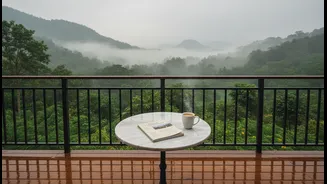
While the off-season might mean packing an umbrella, it also comes with powerful, often overlooked advantages. The most obvious benefit is the financial savings, which can make a destination accessible that might otherwise be out of reach. But the real value lies in the experience itself. With fewer tourists, you have more space to breathe and enjoy landmarks at your own pace. This is when you can get a clear photo of the Taj Mahal during the monsoon or explore a quiet European city in winter. It’s a chance for more authentic interactions, as local life returns to its normal rhythm. For some destinations, like Kerala or Coorg, the monsoon brings a unique beauty, transforming the landscape into a lush, vibrant paradise.
The Strategic Sweet Spot: Mastering the Shoulder Season
For many seasoned travellers, the shoulder season is the best-kept secret in travel planning. These transitional months—like April-May and September-October in much of Europe—often provide the best of both worlds. You get comfortable, mild weather without the extreme heat or cold of other seasons. The crowds have thinned out from their peak-season peak, but attractions, restaurants, and tour operators are still fully open for business. This allows for a more relaxed and spontaneous trip, where you can get a table at a popular restaurant or visit a museum without feeling rushed. The savings are also significant, often 20-40% lower than peak season, allowing your budget to stretch further without a major compromise on weather.
How to Choose the Right Trade-Off for You
Making the trade-off explicit starts with asking one simple question: What is the main priority for this specific trip? If you’re planning a beach holiday in Goa where sun is non-negotiable, paying the peak season premium might be worth it. But if you’re planning a city break to explore museums and cafes in Jaipur, a bit of monsoon rain might not matter and could save you a fortune. Is your goal to see as many sights as possible, or to have a relaxed, immersive experience? Are you on a tight budget, or do you have more flexibility? Be honest about what you are willing to trade. Sometimes, a willingness to accept imperfect weather can be your ticket to a more affordable, authentic, and ultimately more memorable holiday.