



The shimmering dance of the aurora is one of nature’s most beautiful sights. But new research reveals these light shows have a more powerful and disruptive sibling: the auroral substorm, which connects space weather directly to the ground beneath our
feet.
More Than a Light Show
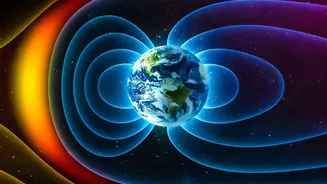
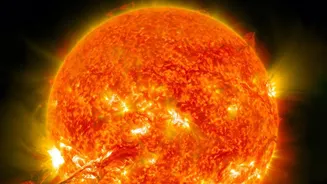
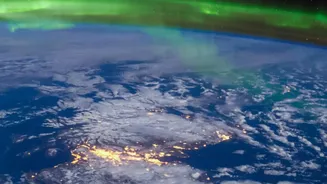
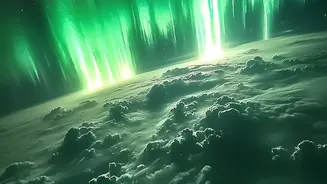
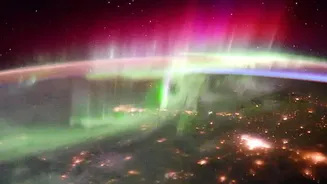
For most of human history, the Northern and Southern Lights were simply a beautiful mystery—celestial curtains of green, red, and purple light rippling across the polar skies. We now know they are the visible result of space weather: energetic particles from the sun, carried by the solar wind, interacting with Earth’s magnetic field. When these charged particles collide with oxygen and nitrogen atoms in our upper atmosphere, they cause them to glow. While a gentle aurora might seem distant and harmless, it is the most visible part of a much larger process. It serves as a visual warning sign that powerful electrical currents are being driven into our atmosphere, and new research highlights just how quickly their effects can be felt on the ground.
The Auroral Substorm Explained
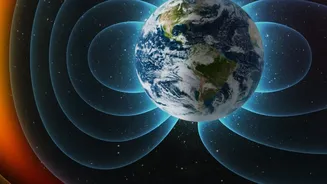
Not all auroras are created equal. While some are faint, quiet arcs, others can erupt in a sudden, violent display that fills the entire sky. This is known as an auroral substorm. Think of it as the difference between a gentle drizzle and an explosive thunderstorm. A substorm is a brief but intense disturbance in Earth's magnetosphere, the magnetic bubble that surrounds our planet. The solar wind stretches Earth's magnetic field on the nightside like a rubber band, storing enormous amounts of energy. A substorm occurs when this stored energy is suddenly and explosively released, sending a cascade of charged particles hurtling towards Earth along magnetic field lines. This abrupt release is what causes the aurora to dramatically brighten and move rapidly across the sky in a matter of minutes.
From Space Flares to Ground Currents
The key finding in recent space-weather research is the direct and rapid link between these substorms and physical changes at ground level. The same energetic particles that create the brilliant auroral displays also generate powerful electrical currents in the ionosphere, an upper layer of our atmosphere. According to Faraday's law of induction, rapid changes in these atmospheric currents induce a corresponding electric field on the Earth's surface. This electric field, in turn, drives currents through the ground itself. These are known as geomagnetically induced currents, or GICs. New studies show that from the moment a substorm unleashes its energy tens of thousands of miles away, the resulting ground currents can manifest in as little as seven minutes.
Why This Connection Is a Big Deal
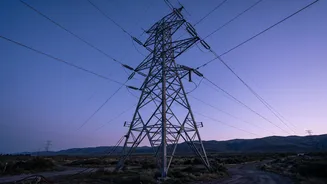
While invisible, GICs are far from harmless. They flow through any long, conductive system, which includes critical modern infrastructure. High-voltage power transmission lines, oil and gas pipelines, and even railway networks can become pathways for these powerful, uncontrolled currents. The influx of GICs can saturate high_voltage transformers, causing them to overheat, trip circuit breakers, or suffer permanent damage. This can lead to widespread power outages, as seen in Québec, Canada, in 1989, when a severe geomagnetic storm left six million people without power for hours. More recently, a major storm in May 2024 stressed power grids in Sweden, causing temporary disruptions. Understanding the substorm–GIC link is therefore crucial for protecting the technological backbone of our society.
Forecasting the Unseen Threat
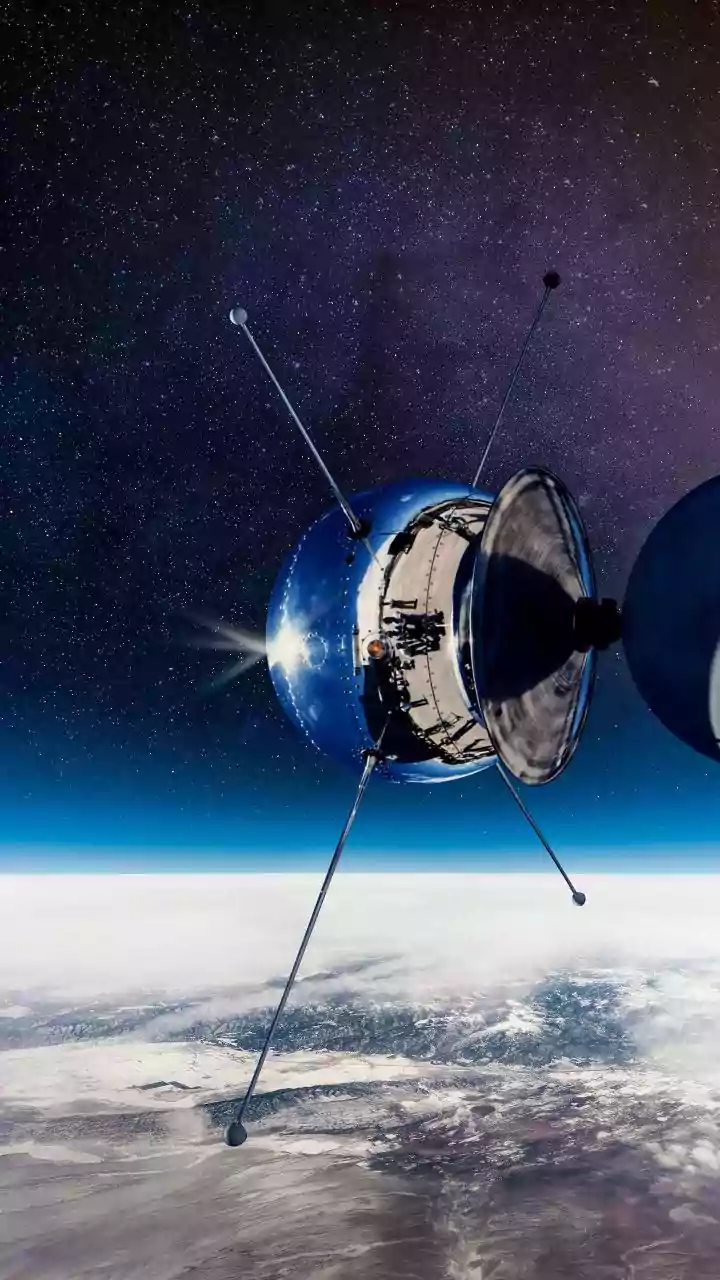
The ultimate goal of this research is to improve space weather forecasting. Just as we have developed systems to predict hurricanes and tornadoes, scientists are working to build models that can anticipate when and where substorms will occur and how intense their ground–level effects will be. By analyzing data from satellites and ground–based magnetometers, researchers can identify the conditions that lead to these explosive energy releases. Better forecasting can provide power grid operators and other authorities with advance warning, giving them precious hours to take protective measures, such as monitoring grid stability or temporarily disconnecting vulnerable equipment. As our world becomes ever more reliant on technology, predicting these invisible currents is no longer an academic exercise but a vital necessity for national security and economic stability.