


Prepare Before Guests Arrive
A successful visit starts long before anyone knocks. A tired pet is often a calmer pet, so a long walk or an energetic play session beforehand can work wonders for a dog's anxiety. This helps burn off excess energy that might otherwise manifest as nervous
behaviours. For both cats and dogs, maintaining their routine as much as possible provides a sense of normalcy amidst the disruption. Try to stick to their regular feeding times and potty breaks. You can also give your pet a special puzzle toy or a long-lasting chew treat to keep their mind engaged and create a positive distraction right before and during the visit.
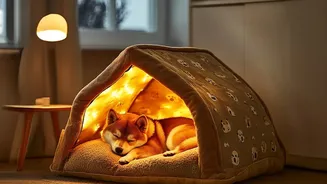
Create a Safe Haven
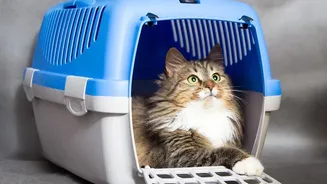
Every pet needs a sanctuary. This is the most crucial step in managing their anxiety. Designate a quiet room—a bedroom, a spare bathroom, or even a large closet—as a pet-only zone. Make this space comfortable and inviting with their bed, favourite toys, water, and familiar blankets. For cats, ensure their litter box is also in this space. Consider playing soft music or using a white noise machine to muffle the sounds of the party. This space should be an absolute no-go area for guests. It’s a retreat where your pet knows they will not be disturbed, allowing them to decompress on their own terms.
Manage the Environment, Not the Pet
The core idea is to shift focus from forcing your pet to adapt to managing the environment for their comfort. Let your guests know about your pet’s temperament beforehand. Simple instructions can make a huge difference: ask them to speak calmly, avoid sudden movements, and let your pet make the first move. Encouraging guests to ignore the pet initially can lower the pressure significantly. If your pet does venture out, ask guests to let them sniff their hand first before attempting to pet them. Forcing interaction will only increase fear and can lead to negative reactions.
Make Introductions Positive (If Possible)
If your pet seems curious rather than terrified, you can try to build positive associations. This process, known as counterconditioning, aims to change your pet’s emotional response from fear to anticipation. Have your guests calmly toss high-value treats in your pet’s direction without making direct eye contact. The goal is for your pet to learn that new people predict good things, like delicious snacks. Keep these interactions very short and always end on a positive note. If your dog or cat shows any signs of stress—like a tucked tail, flattened ears, or hiding—it's a signal to stop immediately and let them retreat to their safe space.
Common Mistakes to Avoid
In our attempt to help, we can sometimes make things worse. Never punish a pet for being scared; this will only validate their fear. Don't force them out of their hiding spot or allow children or other guests to corner them. Another common error is assuming every guest is a 'pet person'. Some visitors may be uncomfortable or allergic, so keeping your pet secured not only helps them but can also be a courtesy to your guests. Finally, avoid overwhelming your pet. Start with short visits from one or two quiet friends before attempting a large, loud gathering.