
Look Beyond the Usual Hubs
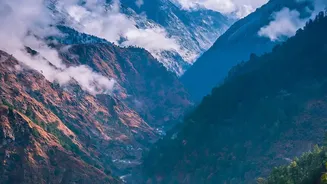
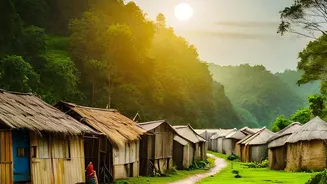
While Jibhi has become a popular base for many travellers, the real tranquility of Tirthan Valley lies in its lesser-known villages. Instead of the main tourist spots, consider staying in quieter hamlets like Gushaini, Nagini, or the picturesque Sarchi
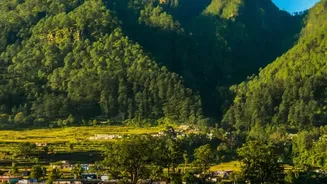
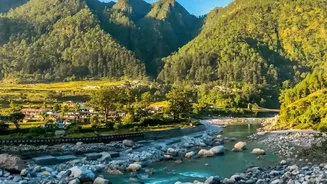
village. These areas offer a more authentic glimpse into the slow-paced Himachali way of life. Gushaini, situated on the banks of the Tirthan River, serves as a peaceful gateway to the Great Himalayan National Park (GHNP). Sarchi is another hidden gem, offering stunning panoramic views of the valley away from any commercial buzz. By choosing these alternative locations, you position yourself away from the main tourist trail from the very start, swapping busy cafes for quiet walks and riverside contemplation.
Choose Homestays Over Hotels
To truly immerse yourself in the valley's peaceful atmosphere, opt for a local homestay. Many families in Tirthan have opened their traditional wooden homes to visitors, offering an experience that is both intimate and sustainable. These stays, often surrounded by apple orchards or overlooking the river, provide a quiet refuge. Unlike commercial hotels, homestays allow you to connect with local culture, enjoy home-cooked Himachali meals like Siddu, and get insider tips on hidden trails. Some homestays are uniquely located, requiring a river crossing via a manual ropeway, ensuring your retreat is genuinely secluded. This approach supports the local community and guarantees a quieter, more personal experience.
Explore Lesser-Known Hiking Trails
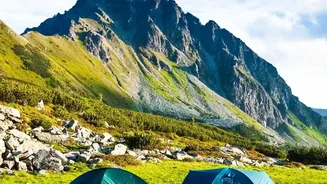
Tirthan is a trekker's dream, but you don't have to stick to the most famous routes to find incredible scenery. While Serolsar Lake and Jalori Pass are beautiful, they can be busy. For a quieter journey, consider the trek to Chhoie Waterfall, a relatively short hike that takes you through traditional villages and dense forests. The entrance to the Great Himalayan National Park near Gushaini offers several easy to moderate day hikes that are less frequented. Another rewarding, offbeat option is the Bashleo Pass trek, which rewards adventurers with stunning alpine views. Ask your homestay host for directions to local paths; you might discover a hidden meadow or a secluded spot by the river that isn't in any guidebook.
Embrace the Art of Slow Travel
The true essence of Tirthan Valley reveals itself when you slow down. Instead of rushing to tick off a list of sights, spend your days embracing a leisurely pace. Find a quiet spot by the Tirthan River for some trout fishing (with a permit) or simply read a book to the sound of flowing water. The valley is a paradise for birdwatchers, with rare species like the Western Tragopan found within the GHNP. Engage in agro-tourism by visiting local farms, or participate in voluntourism projects focused on conservation. A slower pace allows you to connect more deeply with the environment and the local community, making your trip more meaningful and restorative.
Time Your Visit Strategically
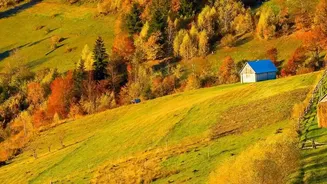
To avoid the peak season rush, timing is everything. The main tourist seasons are typically from April to June and during major holidays. For a more peaceful experience, plan your trip during the shoulder months. The periods from March to early April and from September to November offer pleasant weather without the crowds. Autumn, in particular, is a magical time as the forests turn brilliant shades of yellow, orange, and red. Visiting during the off-season not only ensures a quieter stay but also often means more affordable accommodation and a more relaxed atmosphere throughout the valley.
Welcome a Digital Detox
In many of the more remote parts of Tirthan Valley, mobile and internet connectivity can be patchy at best. Instead of seeing this as an inconvenience, embrace it as an opportunity for a digital detox. Disconnecting from screens allows you to be more present in your surroundings, whether you're watching the sunset over the mountains, stargazing by a bonfire, or sharing stories with fellow travellers. This forced disconnect is a blessing for those truly seeking to escape the noise of modern life and find a quiet space for reflection. The lack of constant notifications makes it easier to tune into the rhythms of nature.