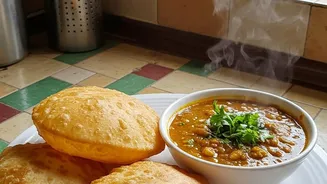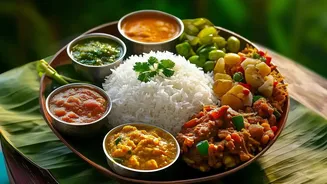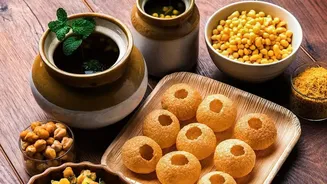

Beyond the butter chicken and paneer tikka that dominate restaurant menus, a quiet culinary revolution is unfolding. A growing appetite for authenticity is putting a spotlight on India’s vast landscape of regional food, and it's being championed from
the ground up.
An Appetite for Authenticity
For years, the perception of Indian food, both at home and abroad, was limited to a handful of popular, North Indian-style dishes. But a significant shift is underway. Diners are increasingly seeking out flavours that tell a story, reflecting a desire to connect with their heritage and explore the true diversity of the country’s palate. This trend is driven by a form of cultural pride; people want to know the history behind a dish, the significance of a particular ingredient, and the traditional techniques used to prepare it. Social media and food travel shows have amplified this curiosity, turning local delicacies from specific states and communities into objects of national interest.
The Rise of the Culinary Stage
While specialty restaurants and pop-ups play a role, a key driver of this movement is the local heritage cooking competition. These events, held everywhere from community halls to national platforms, provide a stage for the dishes that have been passed down through generations but rarely appear on commercial menus. Competitions like the 'YUVA Pratibha - Culinary Talent Hunt' and the 'National Young Chef Competition' are explicitly designed to bring out lost recipes and promote India’s rich culinary heritage. By creating a platform for these foods, they do more than just award prizes; they validate and celebrate the culinary knowledge held within home kitchens.
Empowering the Keepers of Tradition
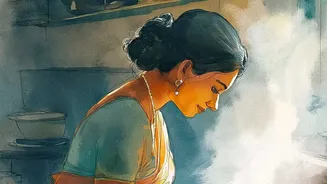
The stars of these competitions are often not professional chefs but home cooks—the mothers, grandmothers, and family elders who are the true custodians of these culinary traditions. For generations, their skills and recipes have been confined to the family kitchen. Heritage competitions give them a chance to share their skills, stories, and regional specialties with a wider audience. This recognition is powerful. It makes cooking feel more inclusive and personal, celebrating the real talent behind everyday meals and giving credit to those who have preserved these traditions. Some contests, like 'Home Chef India 2026', are open to all ages and skill levels, further democratising the culinary world and encouraging widespread participation.
Reviving Lost Recipes and Ingredients
Many traditional Indian dishes are at risk of being forgotten as lifestyles change, techniques fade, and indigenous ingredients become harder to find. Competitions focused on heritage act as a crucial counterforce. They incentivise the documentation and revival of these endangered recipes. For example, a contest might challenge participants to use a specific, underutilised millet or a forgotten vegetable, immediately rekindling interest in that ingredient. Chefs and food historians are racing to document dishes like Rajasthan's fermented 'Raab' porridge or tribal recipes using mahua flowers before they disappear entirely. These competitions create a living archive, ensuring that the flavours and the cultural memory they hold are passed on to a new generation.
More Than Just a Food Contest
The impact of these events extends beyond the kitchen. They foster a powerful sense of community and regional pride. When a local dish wins an award or gains recognition, it becomes a point of celebration for the entire community. This can have a tangible economic effect, boosting culinary tourism and creating new opportunities for local entrepreneurs and food producers. By highlighting what is unique and special about a region's food, these competitions help build a stronger connection between people and their local food systems. They reinforce the idea that a region's culinary identity is a valuable cultural asset worth preserving and promoting.