

Why Are Restrictions Back?
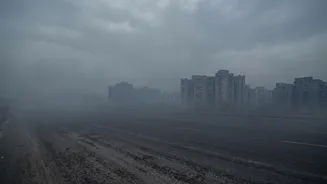
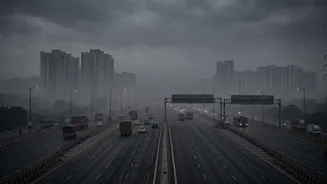
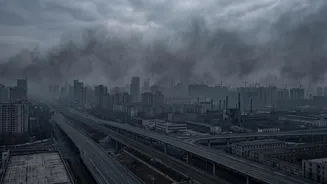
The Commission for Air Quality Management (CAQM) activated Stage 1 of the Graded Response Action Plan (GRAP) on October 21 across the entire National Capital Region. This decision was made after Delhi's average Air Quality Index (AQI) jumped sharply from
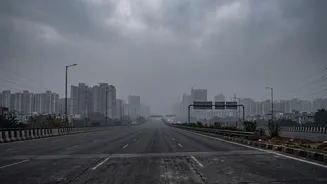
179 ('moderate') on October 20 to 244 ('poor') by the afternoon of October 21. Some areas even recorded 'very poor' air quality. Forecasts from the India Meteorological Department (IMD) suggest the air quality is likely to remain in the 'poor' category in the coming days, prompting these pre-emptive measures. The restrictions aim to stop the air quality from deteriorating further as winter approaches, a period when pollution typically peaks due to factors like lower temperatures and stubble burning in neighbouring states.
What is GRAP?
Think of GRAP as an emergency rulebook for Delhi's bad air days. First notified in 2017 following a Supreme Court order, the Graded Response Action Plan is a set of proactive measures that are automatically triggered when air pollution hits certain levels. It is divided into four stages, each with progressively stricter rules. The goal is to act early rather than wait for a public health emergency. The four stages are: Stage I ('Poor' AQI: 201-300), Stage II ('Very Poor' AQI: 301-400), Stage III ('Severe' AQI: 401-450), and Stage IV ('Severe+' AQI: above 450). The CAQM, a statutory body, is responsible for implementing GRAP across Delhi and its adjoining areas in Haryana, Uttar Pradesh, and Rajasthan.
Rules for Construction and Industry
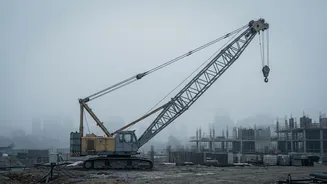
Under Stage 1, a key focus is on dust pollution. All construction and demolition (C&D) projects on plots of 500 square metres or more must be registered on the government web portal to continue work. These sites must follow strict dust control norms, including covering construction materials, using water sprinklers, and setting up anti-smog guns. Open burning of municipal solid waste and biomass is strictly forbidden. Industrial units are expected to switch to cleaner fuels, and surprise checks will be conducted to ensure compliance. Polluting industries that are not following regulations may be shut down.
Changes for Vehicles and Commuters
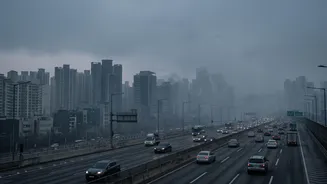
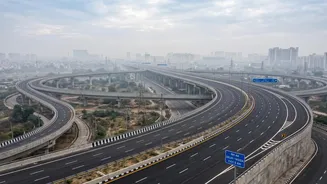
While there is no odd-even scheme or ban on private cars under Stage 1, vehicle owners must ensure their Pollution Under Control (PUC) certificate is valid. Authorities will intensify checks, and visibly polluting vehicles may be penalised. The existing ban on petrol vehicles older than 15 years and diesel vehicles older than 10 years remains in effect. A significant rule affects bus travel: interstate buses from neighbouring states like Haryana, UP, and Rajasthan are only allowed to enter Delhi if they are electric, CNG, or BS-VI diesel compliant. Additionally, truck traffic not destined for Delhi will be diverted to the Eastern and Western Peripheral Expressways to reduce congestion and emissions in the city.
What About Restaurants and Generators?
A notable restriction under Stage 1 is the ban on using coal and firewood in tandoors at hotels, restaurants, and other open eateries. Establishments are encouraged to use electric or gas-based appliances instead. The use of diesel generator sets is also restricted and is only permitted for emergency services and in specified essential situations.
What Happens Next?
These Stage 1 measures will remain in force as long as the air quality stays in the 'poor' category. The CAQM will continuously monitor the situation. If the AQI worsens and enters the 'Very Poor' or 'Severe' categories, stricter measures under Stage II, III, or IV will be implemented. These could include a ban on certain diesel vehicles, closing schools, or halting all construction activities. The government has urged citizens to cooperate and follow the citizen charter, which includes suggestions like keeping vehicle engines tuned, maintaining proper tyre pressure, and turning off engines at red lights.