





The Sky's Last Call for August
Late August is a transitional time for stargazing in India. While the monsoon can still play spoilsport with cloud cover in many regions, the periods of clear sky are becoming more frequent, offering a tantalising preview of the crisp, clear nights of autumn.
This is the perfect moment to plan an impromptu stargazing session. The air is often cleaner after the rains, and the celestial calendar has some spectacular farewell gifts for the month. With the moon waning towards the end of the month, the evenings will be dark, providing an ideal canvas for the stars to shine their brightest. It’s a final opportunity to catch the core of our own galaxy, the Milky Way, before it sinks lower in the west.
Your Celestial Itinerary: What to Spot
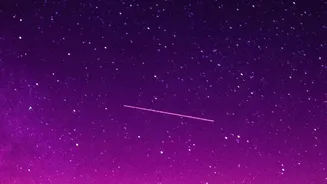
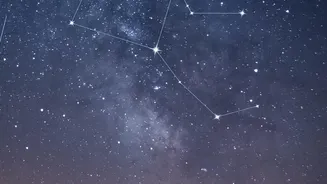
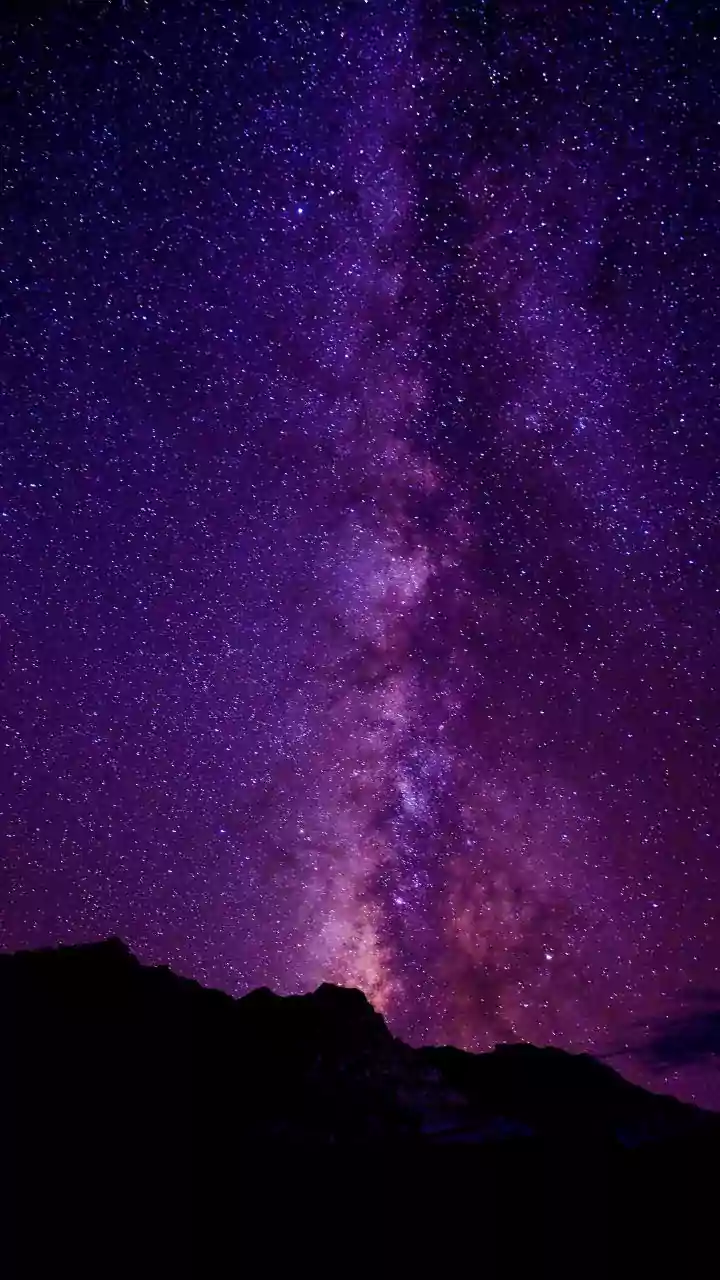
The late August sky is brimming with highlights for both beginners and seasoned observers. Look towards the southern sky shortly after sunset, and you'll find the dense, shimmering band of the Milky Way. Within it lie the prominent constellations of Sagittarius and Scorpius. While the famous Perseid meteor shower peaked in mid-August, its activity continues until the start of September, so keep an eye out for stray shooting stars. The main planetary attraction is Saturn. Though its opposition, when it is brightest and closest to Earth, is on October 4th, it is already a brilliant object in the evening sky throughout August. Look for a bright, steady, yellowish point of light rising in the east as darkness falls. For those willing to stay up late or wake up early, Mars and Jupiter make an appearance in the pre-dawn sky.
Essential Gear and Pro Tips
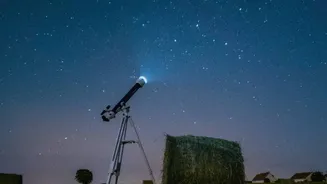
You don't need expensive equipment to enjoy the night sky. The most important tool is a pair of patient eyes. Find a comfortable spot, lie back, and give your eyes at least 20 minutes to fully adapt to the darkness, away from any white light from phones or torches. If you need to use a light, a red-light torch is best as it doesn't ruin your night vision. A pair of binoculars can dramatically enhance your view, revealing the moons of Jupiter or the countless stars packed into the Milky Way. For your phone, apps like Stellarium or SkyView can help you identify planets and constellations in real time simply by pointing your device at the sky. Don't forget to pack a blanket or a comfortable chair, some warm clothing as temperatures can drop, and a flask of a hot beverage.
Finding Your Dark Sky Sanctuary
The biggest obstacle to good stargazing in India is light pollution from cities. To truly experience a star-filled sky, you need to get away from the urban glow. You don't necessarily have to travel to a remote corner of the country; often, a one- or two-hour drive out of the city can make a world of difference. Look for national parks, hill stations, or quiet rural areas. Some of India's most famous dark-sky locations include Hanle in Ladakh (the country's first official Dark Sky Reserve), Spiti Valley in Himachal Pradesh, the Rann of Kutch in Gujarat, and Coorg in Karnataka. For those near major cities, places like Jawhar near Mumbai or Astroport Sariska near Delhi offer accessible escapes with organised stargazing events. Always check the weather forecast before you head out to ensure clear skies.