



The Annual Monsoon Challenge
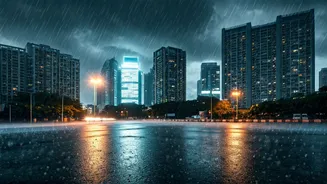
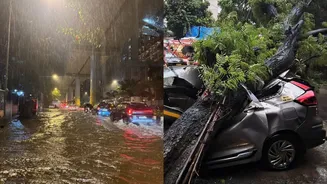
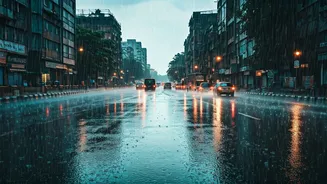
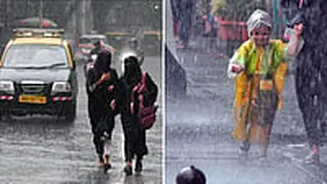
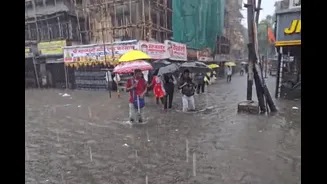
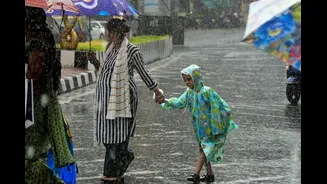
For Mumbaikars, the monsoon is more than just a weather event; it’s a city-wide experience that transforms daily routines. The season’s first heavy showers often lead to widespread disruptions, with waterlogging in low-lying areas like Hindmata, King's
Circle, and the Andheri subway becoming a predictable challenge. As recently as June 24, 2026, heavy downpours caused significant transport delays. Suburban train services on both the Central and Western lines were delayed, and parts of the Trans-Harbour line were temporarily suspended due to a track cave-in, leaving many commuters stranded during peak hours. Bus routes were diverted, and hundreds of BEST buses faced breakdowns. This annual disruption is precisely why preparation is not just a matter of convenience, but a necessity for navigating the city.
Choosing Your Monsoon Armour: The Waterproof Bag
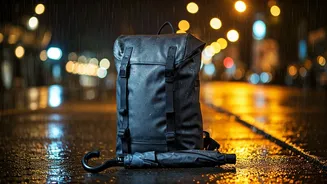
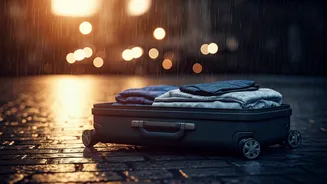
A simple umbrella is often no match for Mumbai's torrential downpours. Investing in a truly waterproof bag is the first line of defence for your essentials. When choosing a bag, look beyond just the marketing claims. The best options are made from materials like 500D PVC, coated fabrics, or have a TPU lamination that makes them genuinely waterproof, not just water-resistant. Key features to look for include sealed or welded seams, reverse-coil zippers, and roll-top closures, which are particularly effective at keeping water out. For daily commuters, a backpack with a capacity of 20-30 litres is generally ideal, providing enough space for a laptop and other essentials without being too bulky. Brands like American Tourister and Aristocrat offer models with dedicated water-resistant laptop compartments, which are crucial for protecting expensive tech. If your budget doesn't stretch to a fully waterproof model, a high-quality rain cover for your existing backpack is a viable alternative.
Beyond the Bag: Protecting Your Electronics
Water damage extends beyond a soaked laptop. High humidity alone can harm internal electronic components over time. The most fundamental rule is to protect your gadgets, especially your phone, with a waterproof case or a simple, inexpensive zip-lock pouch. These create a reliable seal against moisture. It’s also wise to get into the habit of drying your hands before handling devices and avoiding charging them near damp areas or open windows. If a device does get wet, turn it off immediately to prevent a short circuit. Do not press any buttons. Gently wipe it down and, if possible, place it in a sealed container with silica gel packets to absorb the moisture. Never use a hairdryer, as the heat can cause more damage. Patience is key; wait at least 24-48 hours before attempting to turn it back on.
The Art of the Flexible Plan
The second half of monsoon survival is mental and logistical flexibility. With transport so unreliable, having a Plan B (and C) is essential. Before leaving home, check for updates from official sources like the BMC and Mumbai Police on social media for information on tide timings, train delays, or road closures. The recent disruptions on June 23-24, where services on the Trans-Harbour line were cancelled, highlight how quickly a commute can change. If your job allows, working from home on days with heavy rain warnings is the safest option. If you must travel, build extra time into your schedule, and know alternative routes. The Mumbai Metro has become a key alternative, with ridership spiking on rainy days as people seek a more reliable option. Keep a small 'monsoon kit' at your office with a change of clothes and a towel, just in case you get drenched or stranded.
Your Monsoon Survival Kit
A well-packed bag is a Mumbaikar's best friend during the monsoon. Beyond the waterproof layer, a few small items can make a huge difference. Always carry a power bank, as a dead phone during a travel disruption is a nightmare. A small, quick-dry towel is invaluable for drying off upon reaching your destination. Hand sanitizer is a must, especially after wading through waterlogged streets. Also, consider your footwear; sturdy rubber-soled floaters or sandals are far better than leather shoes or flimsy slippers, which can be easily ruined and offer poor grip. Finally, keeping emergency contact numbers handy and stocking your pantry with some essentials at home ensures you’re prepared for those days when the city comes to a standstill.