





A New Front in a Shadow War
Recent analysis has drawn attention to a deeply concerning aspect of the ongoing tensions between the United States and Iran: the vulnerability of the Middle East's water supply. While conflicts in the region have often focused on oil fields and military
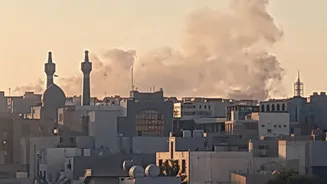
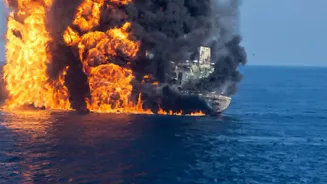
bases, reports now suggest a strategic pivot towards targeting, or at least threatening, civilian water infrastructure. This includes the desalination plants that are the lifeline for millions of people across the Gulf. Recent months have seen a series of tit-for-tat accusations and strikes, with both Iran and the US alleging attacks on water facilities. For instance, Iran accused the US of striking a desalination plant on Qeshm Island, while Bahrain reported an Iranian drone damaged one of its plants. These incidents, though relatively small in scale so far, point to a dangerous escalation where the weaponization of water is becoming a tangible threat.
Why Water Is the Ultimate Target
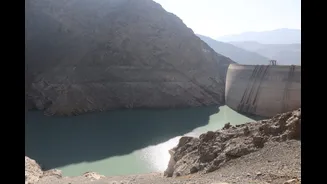
In the arid landscape of the Arabian Peninsula, water is more valuable than oil for survival. Countries like Kuwait, Qatar, and the UAE depend on desalination for up to 90% or more of their drinking water. Saudi Arabia and Oman also rely on it for the vast majority of their supply. This heavy dependence creates a massive strategic vulnerability. The entire region's desalinated water comes from a surprisingly small number of large plants, making them high-value targets. A successful attack on just a few key facilities could trigger a national water crisis within days, with consequences lasting for months. This creates what some analysts call an 'infrastructural mutually assured destruction', where the threat of cutting off water supplies becomes a powerful, albeit terrifying, form of deterrence.
Iran's Strategic Calculation
For Iran, threatening its neighbors' water supply could be seen as an effective asymmetric strategy. Unable to match the conventional military power of the United States, Iran often relies on unconventional tactics to create leverage and deter attacks. By demonstrating a capability to strike these vital civilian nodes, Tehran signals that any conflict would have devastating consequences for the entire region, not just for military assets. While Iran itself is less dependent on desalination, with it accounting for only a small fraction of its national water needs, its coastal populations and industries are still vulnerable. However, the potential to cripple the economies and societies of its Gulf neighbors, who are key US allies, presents a powerful bargaining chip. International law expressly prohibits targeting objects indispensable to civilian survival, but in a conflict perceived as existential, such norms may be dangerously eroded.
The Ripple Effect for Global Stability
The implications of this strategy extend far beyond the immediate region. A significant disruption to the Gulf's water supply would trigger a massive humanitarian crisis, impacting millions of people, including a large Indian expatriate community. The ensuing instability would inevitably shock global energy markets, sending oil prices soaring and impacting economies worldwide. For India, which relies heavily on both energy imports and remittances from the Gulf, the fallout would be particularly severe. The targeting of civilian infrastructure blurs the lines of modern warfare and risks a dramatic, uncontrolled escalation. It compels nations to reconsider their defense priorities, shifting focus from traditional military defense to safeguarding the fundamental resources that underpin their very existence. This new reality underscores the urgent need for de-escalation and robust diplomatic channels to prevent a regional conflict from spiraling into a humanitarian and economic catastrophe.