



The Allure of the Monsoon Slowdown
For years, the conventional wisdom for Indian travel was to chase the sun and avoid the rain. The monsoon was seen as an impediment, a time to stay indoors. But a clear shift is underway. Travellers are increasingly looking beyond traditional seasonal
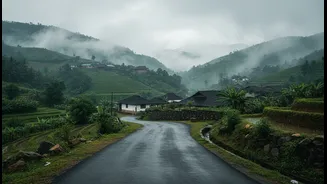
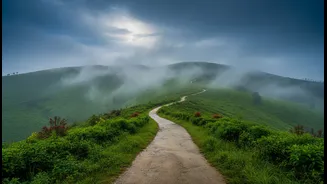
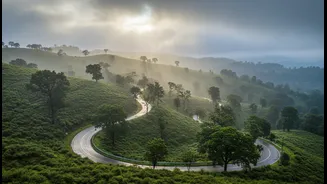
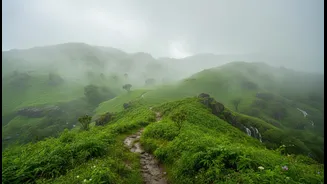
escapes, seeking out destinations that reflect a desire to slow down and reconnect. This has given rise to the monsoon hill station holiday, an experience centred not on a packed itinerary but on a deliberate lack of one. It’s a quiet rebellion against checklist tourism. Instead of rushing between viewpoints, the goal is to simply be—to watch clouds drift through valleys, to feel the cool, clean air, and to witness landscapes transform into a vibrant, living green. This trend is about embracing the off-season for its inherent tranquility, swapping crowded hotspots for the peaceful solitude that only a rainy day in the mountains can provide.
More Than Just Getting Wet
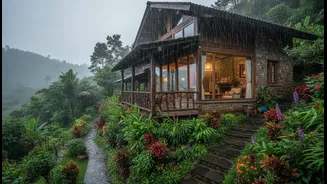
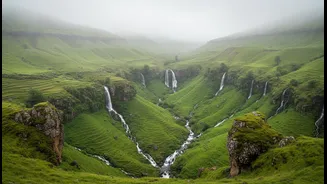
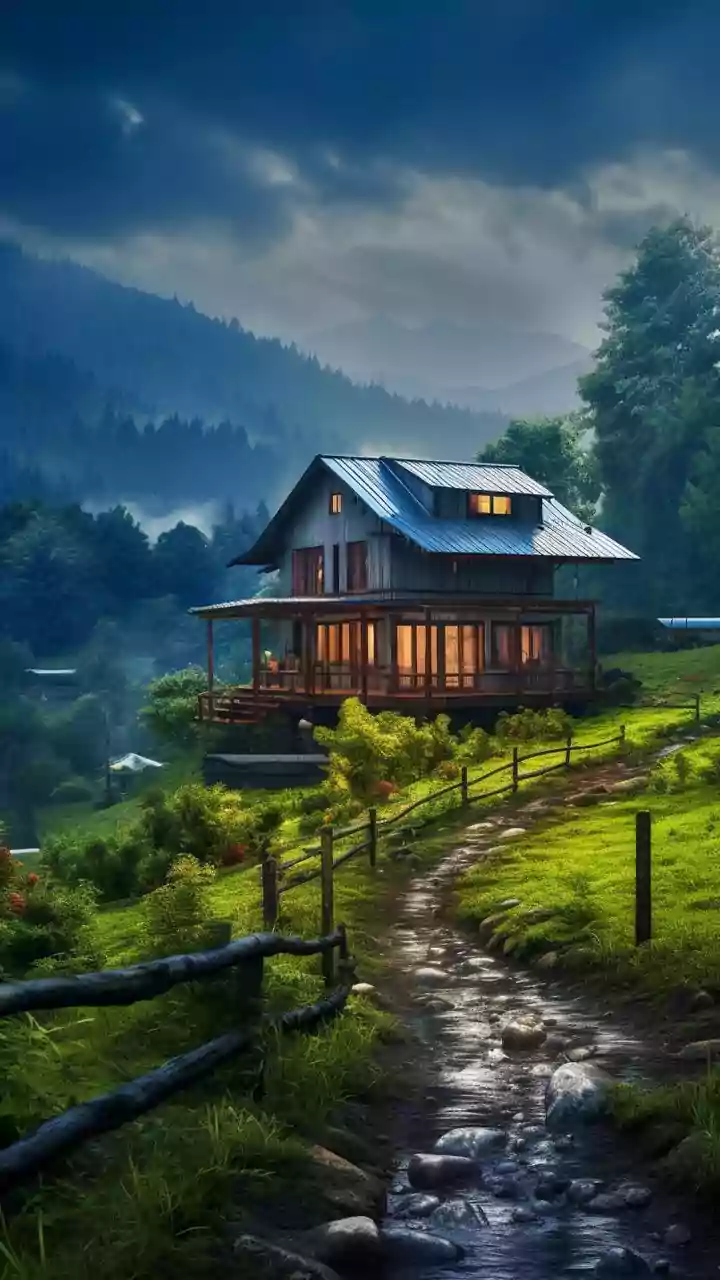
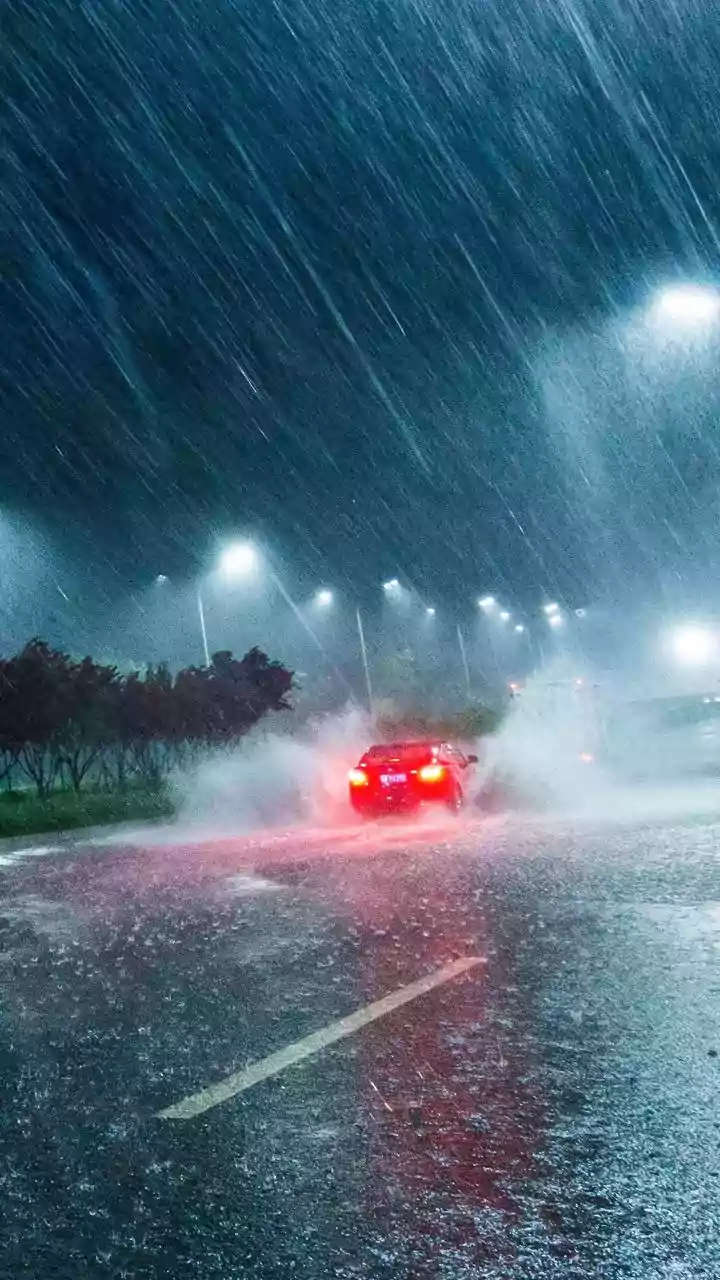
The appeal of a monsoon vacation goes far beyond just an appreciation for rain. It's a full sensory experience. Pluviophiles—those who love the rain—are drawn to the cozy atmosphere it creates. Picture this: sipping a hot cup of chai on a quiet balcony, a book in hand, as the rain patters gently on the roof. The world outside is a canvas of deep greens and soft greys, a soothing balm for a mind accustomed to urban chaos. Economically, it’s a smarter way to travel. The monsoon is typically an off-peak season, meaning lower prices for hotels and travel, allowing for more luxurious stays on a modest budget. This affordability, combined with sparse crowds, creates a more personal and intimate travel experience. Waterfalls roar back to life, the dust of summer is washed away, and the very air feels fresh and revitalized. It’s a time when nature is at its most expressive and generous.
Where the Clouds Meet the Earth
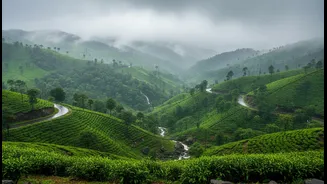
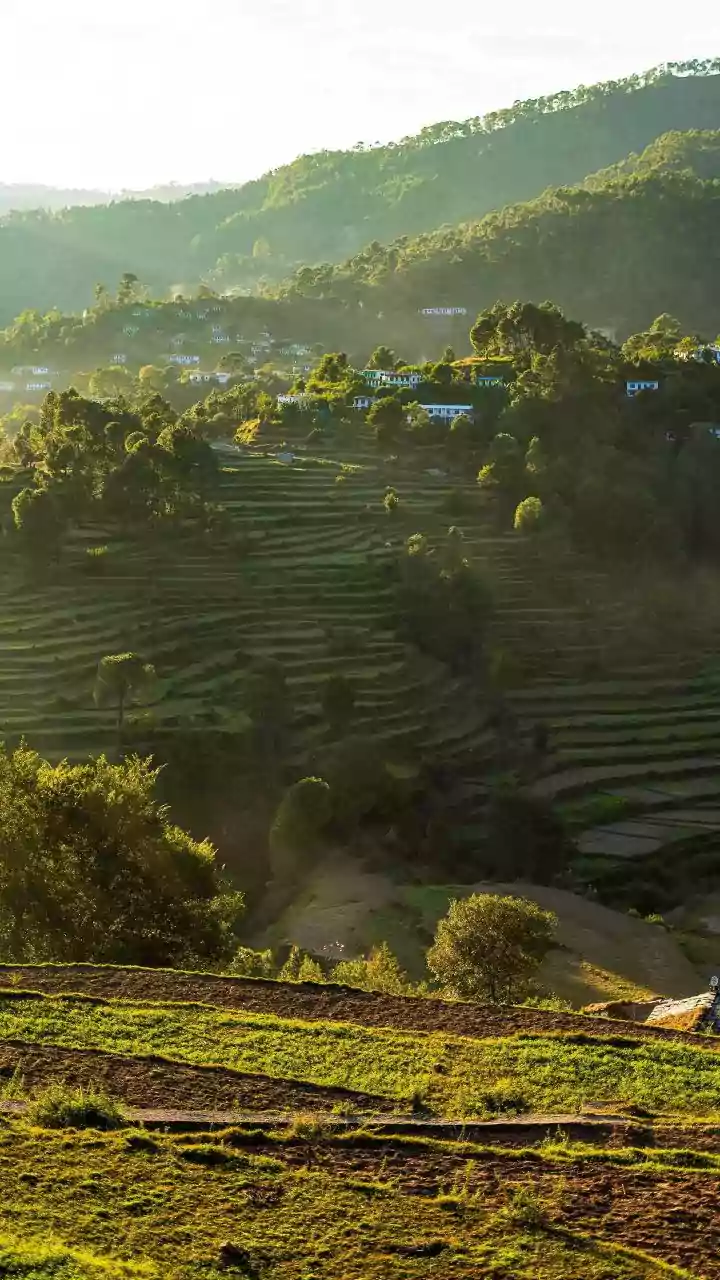
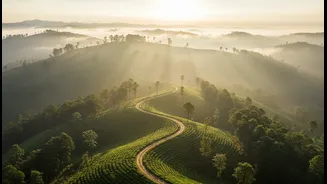
From the Sahyadris to the Himalayas, hill stations across India take on a unique character during the monsoon. In the Western Ghats, destinations like Coorg and Wayanad in the south, and Mahabaleshwar and Malshej Ghat in Maharashtra, become lush paradises. Coorg, the ‘Scotland of India,’ is draped in mist, its coffee plantations looking refreshed and vibrant. Wayanad in Kerala hosts monsoon festivals and offers treks through drenched, verdant tea gardens. Further north, Himalayan towns like Mussoorie and Kasauli offer a different kind of charm. While heavy rains can sometimes pose challenges like landslides, the shoulder seasons of the monsoon provide a perfect window to experience these mountains at their greenest. The key is to choose destinations known for their stability and accessibility. Places like Ooty and Kodaikanal in the Nilgiris also see a surge in interest, offering cooler weather and stunning natural beauty away from the summer crowds.
A Mindset, Not Just a Trip
Ultimately, the trend of unhurried monsoon vacations reflects a broader shift in travel philosophy. It’s a move towards ‘slow travel’—a more mindful and immersive approach that prioritizes connection over consumption. It’s about finding joy in simple moments: the earthy smell after the first rain, known as petrichor; a walk through a misty forest trail; or simply watching the world go by from a comfortable perch. This style of travel encourages a deeper connection with the destination, fostering an appreciation for natural cycles and local rhythms. It acknowledges that the purpose of a vacation isn't just to see new things, but to feel something new—a sense of peace, a feeling of renewal, and a quiet joy. It is about discovering a side of the mountains that many people miss, a secret season when the hills seem to breathe freely again.