



The Jungle, Reimagined
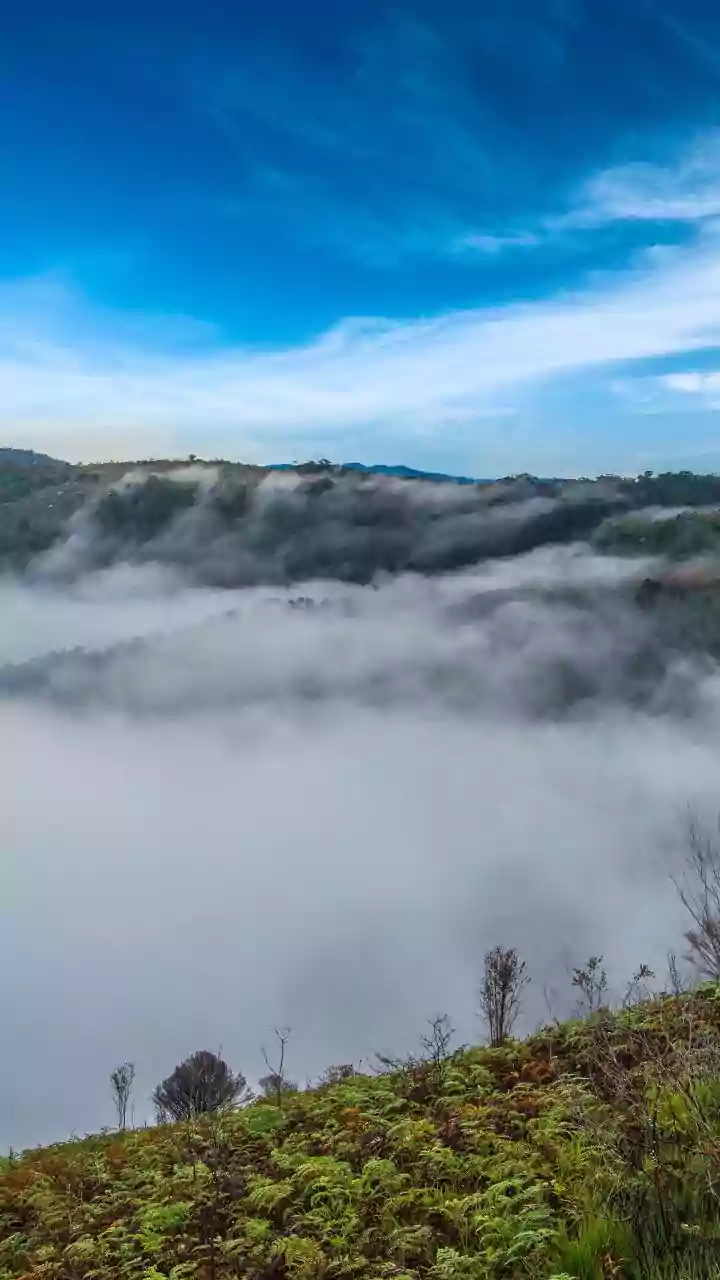
Forget the dusty tracks and parched landscapes of a typical summer safari. The monsoon transforms India’s wilderness into a vibrant, living paradise. From June to September, the rains breathe life into every corner of the forest. The trees drip with fresh
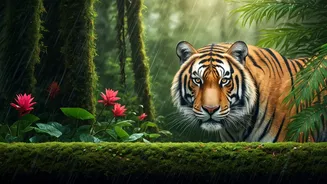
leaves, the air is clean and cool, and the entire ecosystem hums with a renewed energy. This isn't just a safari; it's an immersion into nature at its most raw and atmospheric. The drama of a heavy downpour, followed by the sun breaking through the clouds to illuminate a glistening jungle, is a spectacle in itself. For photographers and nature lovers, the visual appeal is unmatched. The usual tourist crowds thin out, offering a more serene and personal connection with the wild. It’s a chance to experience the jungle not as a spectator, but as a quiet guest in a world reborn.
Where the Gates Stay Open
While many national parks close their core zones during the monsoon due to impassable roads, several gems remain accessible, offering unique experiences. In South India, Periyar National Park in Kerala is a prime monsoon destination. Here, you can enjoy boat safaris on the lake, where animals come to the water's edge, framed by misty hills. Nearby, the Nagarhole National Park (specifically the Kabini region) in Karnataka is legendary. The backwaters of the Kabini reservoir swell, and boat safaris provide fantastic opportunities to see large herds of elephants enjoying the water. In Central India, parts of Tadoba-Andhari Tiger Reserve in Maharashtra often keep their buffer zones open, providing a different, denser jungle experience. Up north, certain zones of Jim Corbett National Park in Uttarakhand, like Jhirna and Dhela, remain open year-round, offering a chance to see the Himalayan foothills in their full monsoon glory.
A Different Kind of Sighting
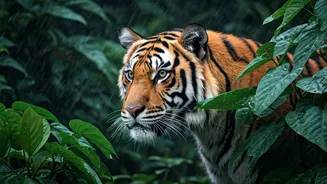
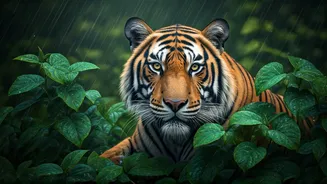
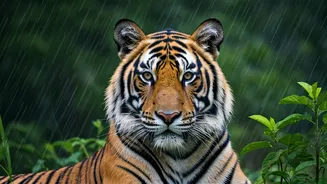
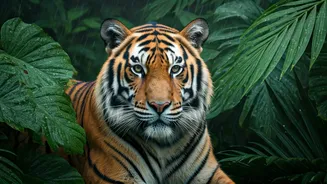
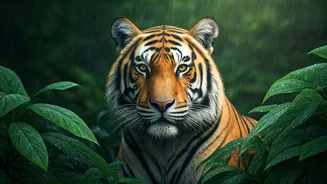
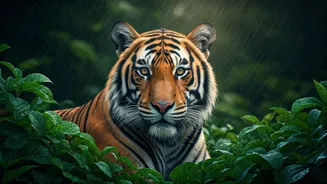
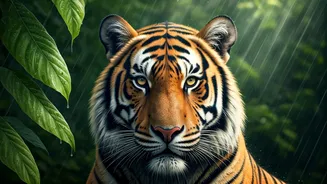
A monsoon safari recalibrates your expectations. While spotting elusive predators like tigers and leopards can be more challenging in the dense, green foliage, the experience is richer in other ways. This is the season of abundance. You are almost guaranteed to see peacocks in their full splendor, dancing with their iridescent feathers spread wide against the grey skies. Herds of elephants, including playful calves, are frequently seen frolicking in the rain-filled waterholes. Spotted deer and sambar are plentiful, their coats looking particularly vibrant against the green backdrop. For birdwatchers, the monsoon is a delight, with resident birds in their breeding plumage and the arrival of some early migratory species. The focus shifts from the chase of a single star predator to an appreciation of the entire, thriving ecosystem. Every rustle in the leaves and every call of a bird becomes part of a larger, more intricate story.
Gearing Up for the Greens
A successful monsoon safari is all about preparation. Your packing list is crucial. Lightweight, quick-drying clothes are a must, along with a reliable waterproof jacket and pants. Sturdy, waterproof footwear with good grip is non-negotiable for navigating muddy paths. To combat the season's notorious leeches, especially in the Western Ghats, carrying leech socks or applying salt or tobacco powder is a wise precaution. Protect your electronics; invest in waterproof bags for your camera, lenses, and phone. Binoculars are essential, as animals may be partially obscured by foliage. It’s also important to be flexible. Safaris can be delayed or cancelled due to extremely heavy rain, so it’s best to plan for an extra day in your itinerary. Book your safaris and accommodation well in advance, as even in the off-season, the best guides and resorts can get filled up by discerning travellers.