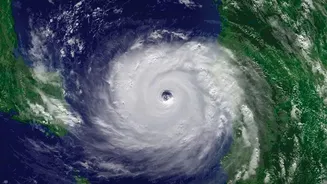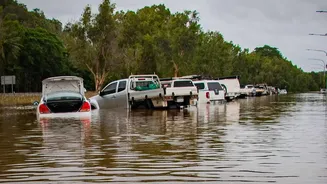





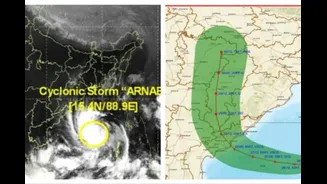

With Cyclone Arnab approaching and several states on high alert for heavy rains, taking immediate action to protect your property is crucial. These essential steps can help minimise damage to your home and belongings from high winds and flooding.
Initial Preparations and Staying Informed
The first
step in cyclone preparedness is to stay updated through official channels. Rely on information from the India Meteorological Department (IMD) and the National Disaster Management Authority (NDMA) rather than social media rumours. Authorities in affected states are issuing specific advisories; follow their instructions closely. Prepare an emergency kit with essentials like non-perishable food, drinking water, medicines, a first-aid kit, torches with extra batteries, and a battery-operated radio. Secure all important documents, such as insurance policies, property deeds, and identification cards, in waterproof bags. It is also wise to have extra cash on hand, as ATMs and digital payments may be unavailable during power outages.
Fortifying Your Home's Exterior
Your home's exterior is its first line of defence against cyclonic winds. Begin by trimming trees and branches that are close to your house or could fall on power lines. Bring all loose objects indoors—this includes garden furniture, potted plants, toys, and tools, as these can become dangerous projectiles in high winds. Inspect your roof for any loose tiles or sheets and secure them. Clear your rain gutters and downspouts of any debris to prevent water from overflowing and seeping into your foundation. If you have storm shutters, install them over all windows. If not, boarding up windows with sturdy plywood is an effective alternative to prevent them from shattering. Reinforce doors, especially double-entry and garage doors, which are vulnerable to wind pressure.
Securing Your Home's Interior
Once the exterior is secure, turn your attention inside. Unplug all non-essential electrical appliances and electronics to protect them from power surges. It's also recommended to turn off the main electrical supply and gas connection if instructed by authorities or if you plan to evacuate. Move valuable items, electronics, and important belongings to higher shelves or upper floors to protect them from potential flooding. To ensure a supply of water for sanitary purposes, fill bathtubs and large containers. Identify the strongest part of your house, usually a small interior room or hallway on the lowest floor, away from windows and doors, to take shelter in during the peak of the storm.
Protecting Vehicles and Livestock
Vehicles are also at significant risk during a cyclone. If you have a garage, park your car inside, ideally away from windows. Some experts even suggest parking a car firmly against the garage door to help brace it against strong winds. If you do not have a garage, try to park your vehicle in a covered car park or on high ground, away from trees, power lines, and lowly areas prone to flooding. Ensure all windows are shut tightly. Filling the fuel tank is a good precaution, as fuel stations may be inoperable after the storm. For those with livestock, move animals to a secure, elevated shelter with sufficient feed and water well before the weather deteriorates.
After the Cyclone Passes
Once the storm has passed and authorities have given the 'all clear', proceed with caution. Before entering your home, check for any visible structural damage, and be wary of gas leaks or downed power lines. The first thing to do before starting any cleanup is to document all damage for insurance purposes. Take extensive photos and videos of the damage to your property, both inside and out, as well as any damaged belongings. Create a detailed list of all lost or damaged items to support your claim. Contact your insurance provider as soon as possible to initiate the claims process. Do not throw away damaged items until they have been inspected by an insurance adjuster. Make only temporary repairs needed to prevent further damage, like covering a hole in the roof, and keep all receipts, as these costs may be reimbursable.