

The Rise of Zero-Waste Cooking
In kitchens across India, a quiet revolution is taking place, inspired by the wisdom of our grandmothers. The idea is simple: nothing goes to waste. This philosophy of 'zero-waste' or 'root-to-stem' cooking is not just about saving money or the environment;
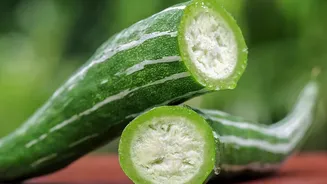
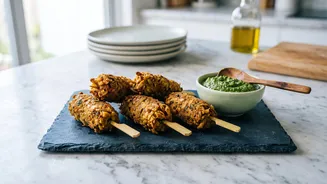
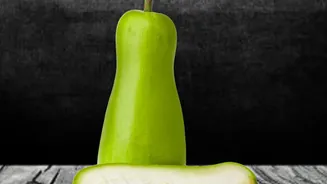
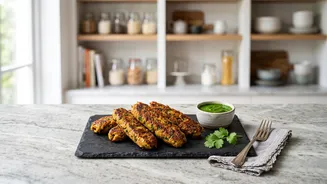
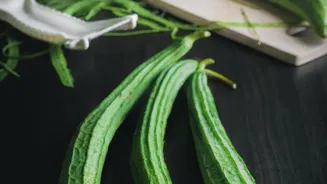
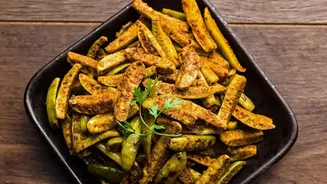
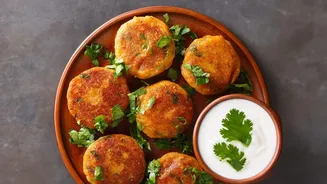
it's about unlocking hidden flavours and nutrients from parts of vegetables we commonly discard. Bottle gourd peels, often seen as rubbish, are a perfect example. They are packed with fibre and, with the right technique, can be turned into a mouth-watering snack. Making kebabs from these peels is a brilliant way to start your zero-waste journey, transforming kitchen scraps into a celebrated dish.
Prepping Peels for Perfection
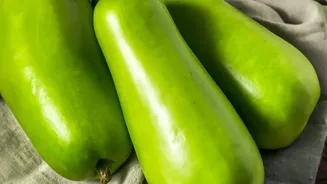
The foundation of a great kebab is a well-prepared base. Before you even think about binding, you need to treat the peels right. First, wash the bottle gourd (lauki) thoroughly before you peel it. Once you have the peels, you need to soften them. You can do this by boiling them for a few minutes or steaming them until they are tender. After softening, let them cool down. The next step is the most critical: remove all excess water. Squeeze the peels firmly between your palms or press them in a muslin cloth. Any water left in the peels will make your kebab mixture soggy and impossible to bind. Once dry, you can finely chop the peels or grind them into a coarse paste for a smoother texture.
The Binding Challenge Explained
The main reason vegetable kebabs fall apart is moisture. Ingredients like bottle gourd have high water content, and even after squeezing, some moisture remains. When you add salt, it draws out even more water, turning your carefully prepared mixture into a loose, unmanageable mess. The key to a successful kebab is to counteract this with an effective binding agent. A good binder not only absorbs excess moisture but also adds to the kebab's texture and flavour, helping it hold its shape during frying or grilling. Without a proper binder, your kebabs are likely to disintegrate the moment they hit the hot oil or tawa.
Your Go-To Binding Agents
Choosing the right binder is crucial. Here are some of the most effective options for your bottle gourd peel kebabs: Besan (Gram Flour): The most traditional and reliable choice. For best results, roast the besan on a low flame for a few minutes until it becomes fragrant. This removes its raw taste and enhances its binding properties. Besan absorbs water effectively and gives the kebabs a lovely, nutty flavour. Breadcrumbs or Poha (Flattened Rice): Both are excellent for soaking up moisture. Breadcrumbs will give your kebabs a crispier exterior. You can use fresh breadcrumbs or dried ones. Poha can be powdered and added to the mix for a similar effect. Roasted Chana Powder (Sattu): This is another fantastic binder. Like besan, sattu has great absorbent qualities and adds a rich, earthy flavour to the kebabs. It’s a high-protein option that also improves the nutritional value of your snack. Boiled Potato or Sweet Potato: Mashed boiled potato is a classic binder in many tikki and kebab recipes. It provides starch, which helps hold the mixture together. A small amount is usually sufficient; too much can make the kebabs doughy.
Mastering the Kebab Mixture
Once your peels are prepped and you’ve chosen your binder, it’s time to assemble the mixture. In a large bowl, combine the processed peels, your chosen binding agent, and your spices. Common additions include finely chopped onion, ginger-garlic paste, green chillies, coriander leaves, and powdered spices like cumin, coriander, garam masala, and amchoor (dry mango powder) for a tangy kick. Mix everything well, but avoid over-mixing, which can release more water. At this stage, check the consistency. The mixture should feel firm and hold its shape when you form a small ball. If it feels too wet, add a little more of your dry binder. If it feels too dry and crumbly, sprinkle a tiny amount of water. Letting the mixture rest for about 10-15 minutes can also help the ingredients bind together.
Shaping and Cooking to Perfection
To prevent the mixture from sticking to your hands, lightly grease your palms with oil before you begin shaping. Take small portions of the mixture and shape them into round, flat tikkis or oval kebabs. Make them uniform in size for even cooking. You can now cook the kebabs. Shallow frying on a non-stick tawa over medium heat is a popular method. Add a little oil and place the kebabs, ensuring not to overcrowd the pan. Cook them for a few minutes on each side until they are golden brown and crisp. For a healthier option, you can cook them in an air fryer or bake them in an oven. These methods use less oil and still result in a delicious, crispy exterior.