





The Goal: A 30-Minute Reset
A kitchen reset isn't a deep clean. You’re not scrubbing baseboards or deep-cleaning the oven. The goal is to spend 20 to 30 minutes once a week bringing your kitchen back to a state of readiness. This small investment of time clears clutter, helps you take
stock of what you have, and sets you up for a less stressful week of cooking. By tackling the most chaotic areas, you prevent small messes from becoming overwhelming projects and ensure the food you've bought actually gets eaten. Think of it as hitting the reset button on the heart of your home.
Start with the Leftover Audit
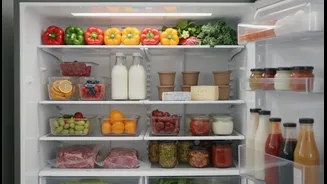
Your refrigerator is the first stop. Leftovers have a limited lifespan and dealing with them prevents both food waste and potential foodborne illness. Go through the fridge and be honest about what will get eaten. As a general rule, most leftovers should be consumed within three to four days. For anything older, it’s best to discard it. Food should not be left at room temperature for more than two hours, as bacteria can multiply rapidly in the 'danger zone' between 4°C and 60°C. If you have good leftovers you won't get to in time, the freezer is your best friend. Freeze them in portioned, airtight containers and label them with the date.
Tame the Open Packages
Next, turn your attention to the pantry and counters. Half-eaten bags of chips, open boxes of crackers, and stray bags of rice or pasta can make a pantry feel cluttered and lead to stale food. Your mission is to consolidate and contain. Combine half-empty bags of the same item, like pasta or grains. For snacks, use bag clips or, even better, transfer them to airtight containers. This not only keeps food fresher for longer but also makes it easier to see what you have at a glance, preventing you from buying duplicates on your next grocery run. Organizing these items vertically using bins or dividers can also save a surprising amount of shelf space.
The 'Eat Me First' Zone
As you sort through leftovers and produce, create an 'eat me first' bin or shelf in your refrigerator. This is a designated spot for items that are nearing their expiration date or need to be used up quickly. Pulling these items to the front makes them visible and reminds you to incorporate them into your next meal. A bunch of spinach that’s a day from wilting, leftover grilled chicken, or that half-used tub of yogurt are perfect candidates. This simple organisational trick is one of the most effective ways to reduce the amount of food that ends up in the bin.
Reset the Surfaces
With the food sorted, it’s time for a quick surface reset. This isn't about scrubbing, but rather clearing the decks. Put away any items that have been left on the counters. Wipe down high-traffic spots like countertops, the stove, and appliance handles. Finally, make sure the sink is empty and give it a quick scrub. A clean sink can make the entire kitchen feel fresher and more inviting. This final step provides a clean slate, making it much more pleasant to start cooking your next meal.