
The Dazzling Evening Star
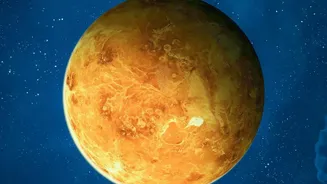
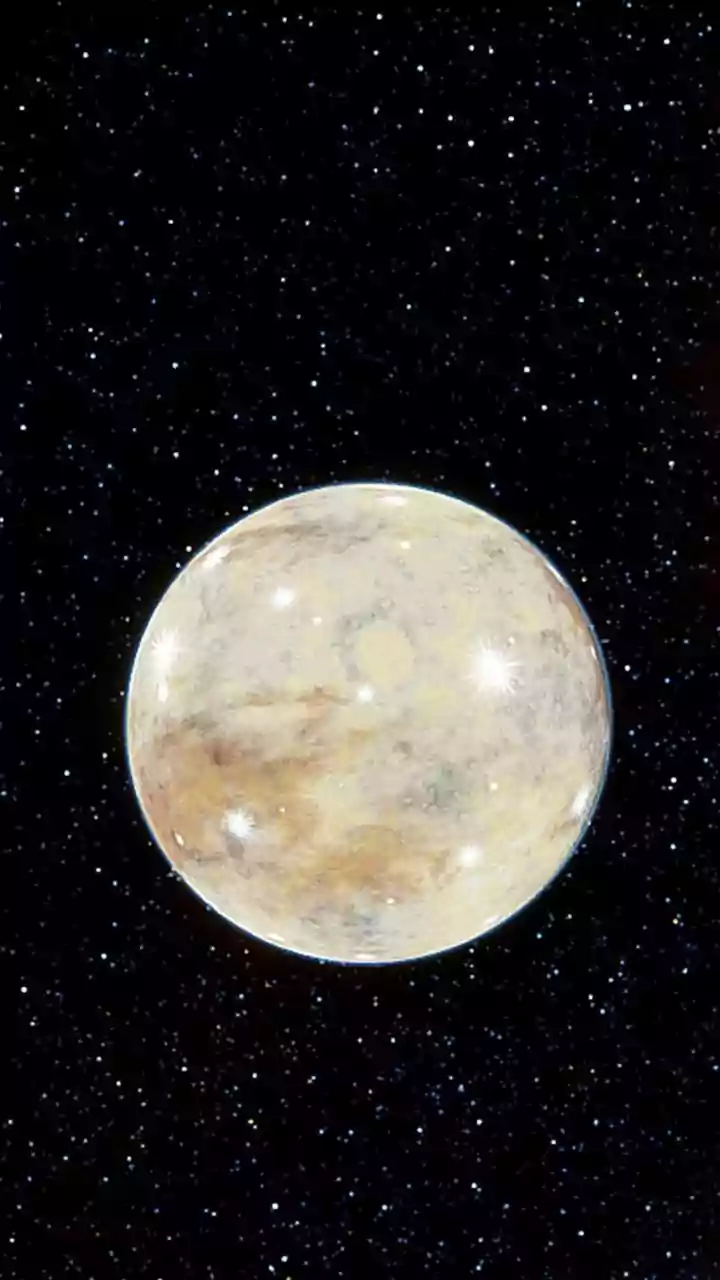
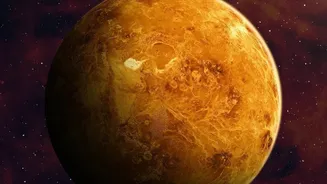
Throughout August 2026, Venus is the undisputed queen of the evening sky. Often called the 'Evening Star', it's the brightest planet we can see and shines with a commanding, silvery light. Its brilliance comes from its thick, highly reflective cloud cover
that bounces sunlight back towards us. Because its orbit is inside Earth's, we always see Venus near the Sun, either lingering in the west after sunset (as an Evening Star) or rising in the east before dawn (as a Morning Star). This month, it’s in its evening phase, giving everyone in India a front-row seat to its celestial performance.
When and Where to Look
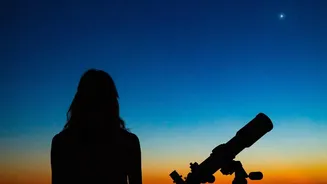
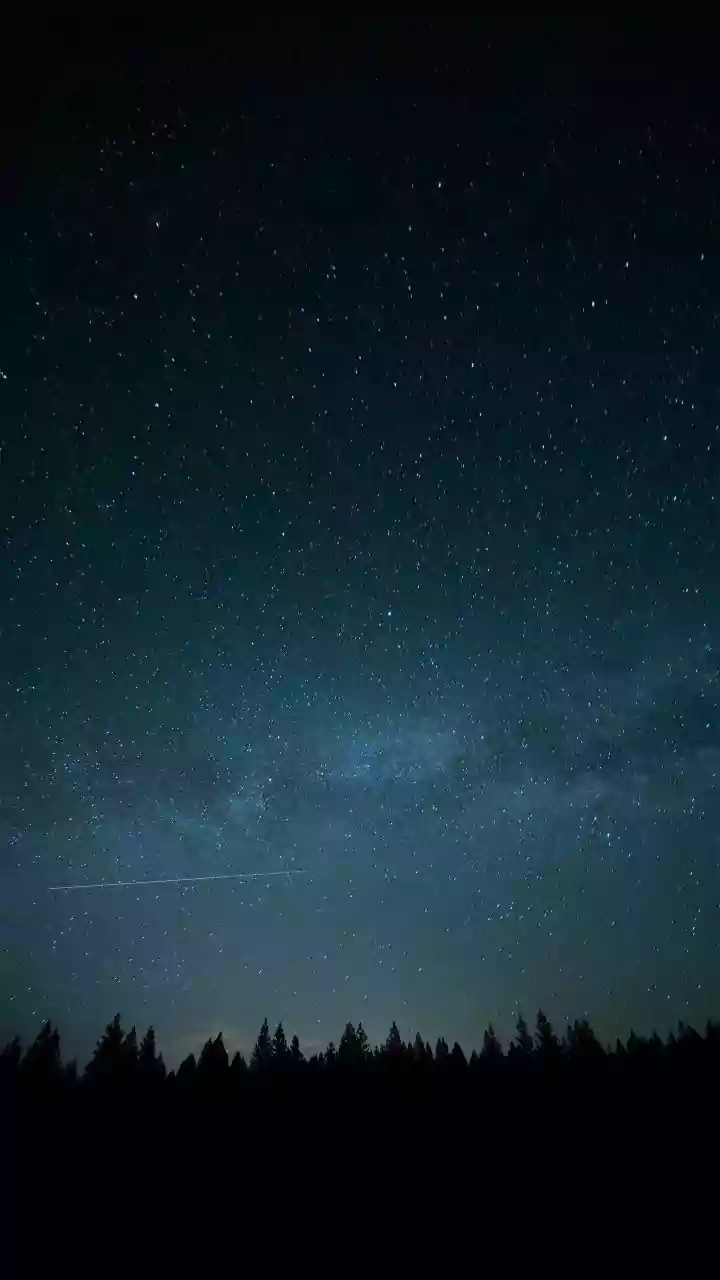
Finding Venus is incredibly simple. All you need is a clear view of the western horizon. The best time to look is in the hours just after sunset, as twilight begins to deepen. Venus is so bright it will be the first 'star' to become visible. It will appear as a stunningly bright point of light, far brighter than anything else in that part of the sky. Around the middle of the month, August 15th and 16th were particularly special, as Venus reached its greatest distance from the sun in the sky and appeared near the crescent Moon, creating a beautiful pairing. Even now, towards the end of the month, it remains a dominant and unmissable sight in the west-southwest after sunset.
No Telescope? No Problem!
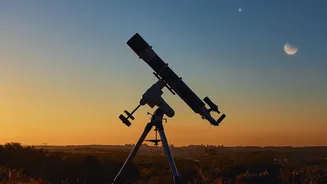
One of the best things about watching Venus is its accessibility. You do not need any special equipment to enjoy the view. Its brilliance is easily visible to the naked eye from anywhere with a clear sky, even from light-polluted cities. If you do have a pair of binoculars, however, you might be able to get a slightly better look. A telescope would reveal something even more interesting: Venus goes through phases, just like our Moon. In August 2026, it appears as a thick crescent or nearly half-illuminated disk. This is because we are seeing only a portion of its sunlit side from our vantage point on Earth.
What Else Is in the Sky?
While you’re enjoying the view of Venus, don't forget to look around. Also visible throughout August is the yellowish planet Saturn, which rises in the east in the evening. Earlier in the month, the famous Perseid meteor shower peaked around August 12-13, though monsoon clouds can often make viewing difficult in many parts of India. As you look at Venus in the west, you might also be able to spot the bright star Spica, in the constellation Virgo, not too far away. Venus will appear to draw closer to Spica as we head into September.
A Moment of Cosmic Connection
Watching Venus is more than just a celestial sightseeing opportunity; it's a chance to connect with the larger universe. When you gaze at that bright point of light, you are looking at another world. Venus is a planet similar in size to Earth but with a scorching hot surface and a crushingly dense atmosphere of carbon dioxide and sulfuric acid clouds. It’s a world completely alien to our own, yet from millions of kilometers away, it appears as a beautiful, peaceful beacon in our sky. Taking a few moments after a busy day to step outside, look up, and find this neighbouring world can be a wonderfully grounding experience.