






The Great Escape
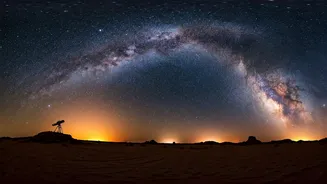
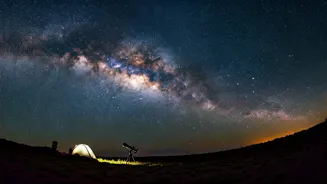
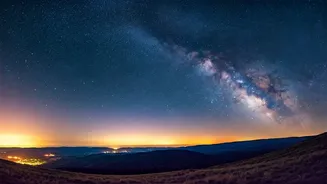
Imagine swapping the drone of air conditioners and the glare of streetlights for the crisp silence of a mountain ridge, with the Milky Way painted across the sky. This is the experience drawing thousands of young Indians away from cities like Mumbai,
Delhi, and Bengaluru. Trekking companies and local operators, particularly in the Western Ghats and Himalayan foothills, report a significant surge in bookings for night treks focused on astronomy. These aren't just hikes in the dark; they are curated celestial events, and their popularity has skyrocketed in direct correlation with rising urban temperatures.
More Than Just Beating the Heat
While escaping the oppressive city heat is undoubtedly the initial trigger, organizers say the trend runs much deeper. "The calls start pouring in the moment the temperature crosses 35 degrees in the cities," says a coordinator for a popular trekking group near Pune. "People want a physical and psychological break. The heat is the push, but the stars are the pull." For many young professionals and students, it’s a two-for-one deal: relief from the sweltering climate and a profound experience that city life simply cannot offer. The cool, clear nights at higher altitudes provide perfect conditions for stargazing, turning a simple weekend getaway into a memorable adventure.
A Celestial Classroom Under Open Skies
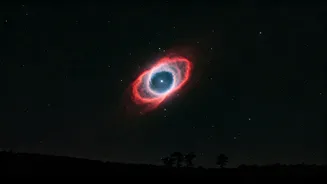
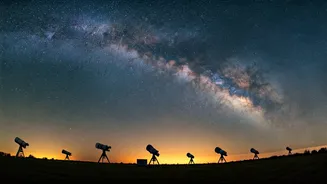
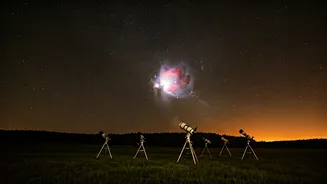
What sets these treks apart is the blend of adventure and education. Many are led by amateur astronomers or guides equipped with telescopes and a deep knowledge of the cosmos. Participants don't just see stars; they learn to identify constellations, planets like Jupiter and Saturn, and even distant nebulae. For a generation raised on screens, the analogue wonder of a telescope pointed at a real celestial object is a powerful novelty. The experience transforms a simple nature walk into an interactive lesson in astrophysics. It taps into a primal sense of curiosity, offering tangible knowledge and a perspective shift that feels both grounding and expansive.
The 'Digital Detox' Generation
This boom is also a direct response to modern digital fatigue. The very act of being in a remote location with poor or no mobile signal forces a much-needed digital detox. For young people whose lives are mediated by screens, the opportunity to disconnect is becoming a luxury worth pursuing. The focus shifts from notifications and deadlines to the vastness of the universe. This search for authentic, offline experiences is a recurring theme among millennial and Gen Z travellers. Stargazing provides a sense of awe and perspective that a curated Instagram feed cannot replicate. It’s a quiet rebellion against the constant connectivity of urban life.
Where the Stars Align
The trend is most visible in regions with accessible hills and mountains near major metropolitan hubs. For Mumbaikars and Pune residents, locations like Kalsubai, Rajmachi, and Prabalmachi Fort in the Sahyadris have become hotspots. In the north, areas around Manali, Rishikesh, and even remote parts of Uttarakhand offer clearer skies. For the more dedicated, destinations like Spiti Valley in Himachal Pradesh and Ladakh are considered the holy grail of astrotourism in India, offering some of the darkest, most pristine night skies in the world. As word spreads through social media—ironically, the very thing they seek to escape—more and more previously little-known spots are becoming popular destinations for these cosmic journeys.