




The Big Idea: Putting a Brain in Orbit
For decades, satellites have mostly acted as eyes and ears in the sky, collecting vast amounts of raw data and beaming it back to Earth for analysis. This process is effective but slow. The new vision, discussed by experts from the Indian Space Research
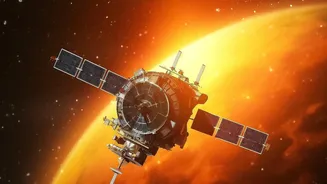
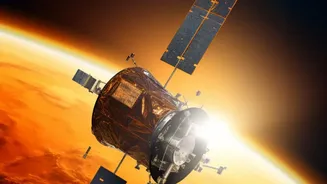
Organisation (ISRO) at a recent conclave, involves a fundamental shift: processing the data directly on the satellite. This is made possible by incorporating AI and machine learning, a concept known as "on-board processing" or "edge computing" in space. Instead of waiting for data to make a round trip, a satellite could analyze images, identify important events, and send back only the crucial insights. This makes the satellite less of a passive camera and more of an active, intelligent observer.
Smarter Navigation, Safer Skies
One of the most significant applications for this technology is in navigation. AI can give satellites the ability to make real-time decisions, a critical upgrade for deep-space missions where communication delays can be immense. An AI-powered satellite could autonomously detect and dodge space debris, course-correct without human intervention, and even optimize its own path to save fuel and extend its mission life. For India, this also means strengthening its own navigation systems, like the NavIC (Navigation with Indian Constellation), making them more robust and secure. Experts have highlighted that this enhanced autonomy is not just about efficiency; it's a matter of national security, helping to counter threats like signal spoofing where false signals could mislead conventional systems.
From Data Overload to Instant Insights
The sheer volume of data collected by Earth observation satellites is staggering. AI offers a powerful solution to this big data problem. By processing information in orbit, an AI-equipped satellite can provide near-instantaneous alerts for critical events. During a natural disaster like a flood or wildfire, for example, a satellite could identify the most affected areas and transmit that specific information immediately to emergency responders on the ground, rather than sending hours of raw imagery to be sorted through. This capability would be transformative for disaster management, agriculture monitoring, urban planning, and military reconnaissance, enabling faster and more informed decision-making.
India's Competitive Edge in the New Space Race
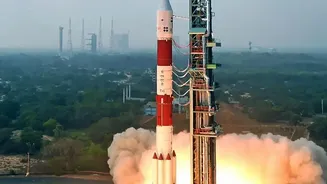
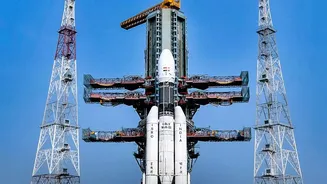
This technological leap is about more than just better satellites; it's a strategic move in the rapidly commercializing space industry. As nations and private companies like SpaceX compete, having intelligent, autonomous satellite constellations offers a significant advantage. For India, developing this capability in-house, as discussed at the National Space Technology Conclave 2026, strengthens its position as a major player in the global space market. It reduces reliance on foreign technology and builds on the country's reputation for cost-effective launches, attracting international partners and clients. This push includes not just government-led ISRO projects but also a growing ecosystem of Indian startups aiming to deploy AI-powered orbital infrastructure.