





Elon Musk has floated a science fiction-sounding solution to one of artificial intelligence's biggest problems: moving the power-hungry data centers that run AI into outer space. But is this a serious business plan or just a far-out idea?
The Final Frontier for Data
The relentless
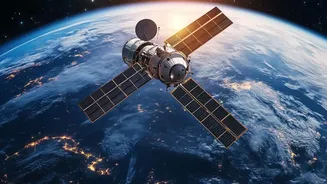
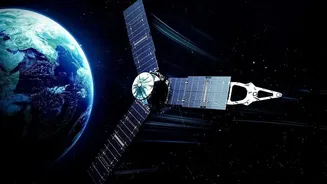
growth of artificial intelligence is creating an insatiable demand for computing power. On Earth, this translates to a need for massive data centers, which consume enormous amounts of electricity, water, and land. Faced with these terrestrial constraints, including growing community opposition and multi-year delays in connecting to power grids, Elon Musk has proposed a radical alternative: launching AI computing infrastructure into orbit. The concept, which aligns with the integration of his companies SpaceX and xAI, envisions a future where at least some of the heavy lifting for AI processing happens among the stars, powered by the sun. Musk has made bold predictions, suggesting that within a few years, space could become the most cost-effective place for AI compute.
Why Space Solves Earthly Problems
The primary argument for orbital data centers is access to resources. In space, solar energy is abundant and nearly continuous, unlike on Earth where it is limited by weather and nighttime. This could potentially solve the massive energy bottleneck facing the AI industry, which is projected to strain global electricity grids. Another key advantage is cooling. Terrestrial data centers use vast amounts of energy and water to prevent servers from overheating. In the vacuum of space, while not as simple as it sounds, heat can be radiated away passively, which could dramatically reduce operational costs. Furthermore, placing data centers in orbit bypasses earthly problems like land acquisition, zoning regulations, and local opposition to new construction. It also offers a potential path to extreme scalability, as there is theoretically no limit to how many satellites can be deployed.
An Astronomical Set of Challenges
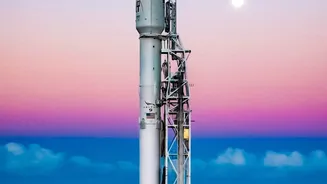
Despite the compelling vision, the obstacles are monumental. The single biggest barrier is cost. Launching hardware into orbit is incredibly expensive. While SpaceX's reusable rockets have drastically reduced launch costs, analysts estimate that building a data center in space today would still be significantly more expensive than a comparable facility on Earth. For the economics to work, launch costs would need to fall by another order of magnitude, a goal dependent on the success of next-generation rockets like Starship. Maintenance is another huge hurdle. If a server fails in a terrestrial data center, a technician can physically replace it. In orbit, repairs are difficult, if not impossible, requiring highly redundant and durable systems designed to operate autonomously for years. Finally, space is a hostile environment. Cosmic radiation can corrupt data and damage sensitive electronics, requiring costly shielding or specialized hardware that often lags behind the latest technology.
The Starlink and Starship Connection
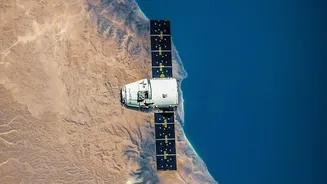
Musk's vision isn't just a standalone idea; it's deeply integrated with his existing ventures. SpaceX's Starship is being developed to carry massive payloads into orbit, which is essential for deploying the sheer mass of servers and solar panels required. The Starlink satellite internet constellation provides the blueprint for managing a massive fleet of satellites and, more importantly, the highspeed laser links needed to create a mesh network between orbital data centers and connect them back to Earth. SpaceX has already filed for a potential orbital data center service named 'Starmind' and plans to build a massive satellite factory to support these ambitions. The synergy is clear: SpaceX provides the launch and network, while xAI provides the demand for AI compute, creating a vertically integrated ecosystem that could, in theory, bypass many of the bottlenecks holding back competitors.