




Beyond just patches of green in a concrete jungle, urban parks are evolving. They are becoming intentionally designed hubs that actively foster health and community, transforming how we live, exercise, and connect with our neighbours in the city.
From Passive Greenery to Active Hubs
For generations,
the urban park was a place for passive leisure—a quiet stroll, a moment on a bench, or a simple picnic. But as our understanding of public health and social well-being has deepened, the role of these spaces is undergoing a significant transformation. The modern urban park is no longer just a 'green lung' for the city; it is now increasingly seen as a vital piece of community infrastructure. This shift is driven by a concept known as 'placemaking', which is the collaborative process of shaping our public realm to maximize its shared value. It's about designing and managing spaces to attract people and encourage them to stay, interact, and build a sense of collective ownership. In India, where rapid urbanisation can often lead to social isolation, parks designed for community engagement are becoming more important than ever.
Designing for Connection and Movement
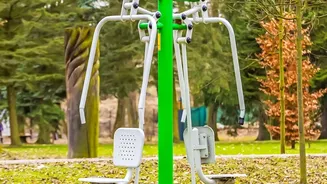
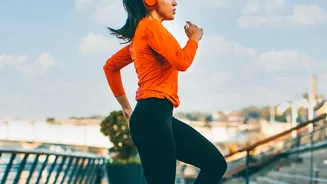
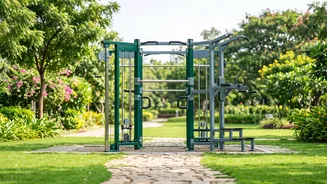
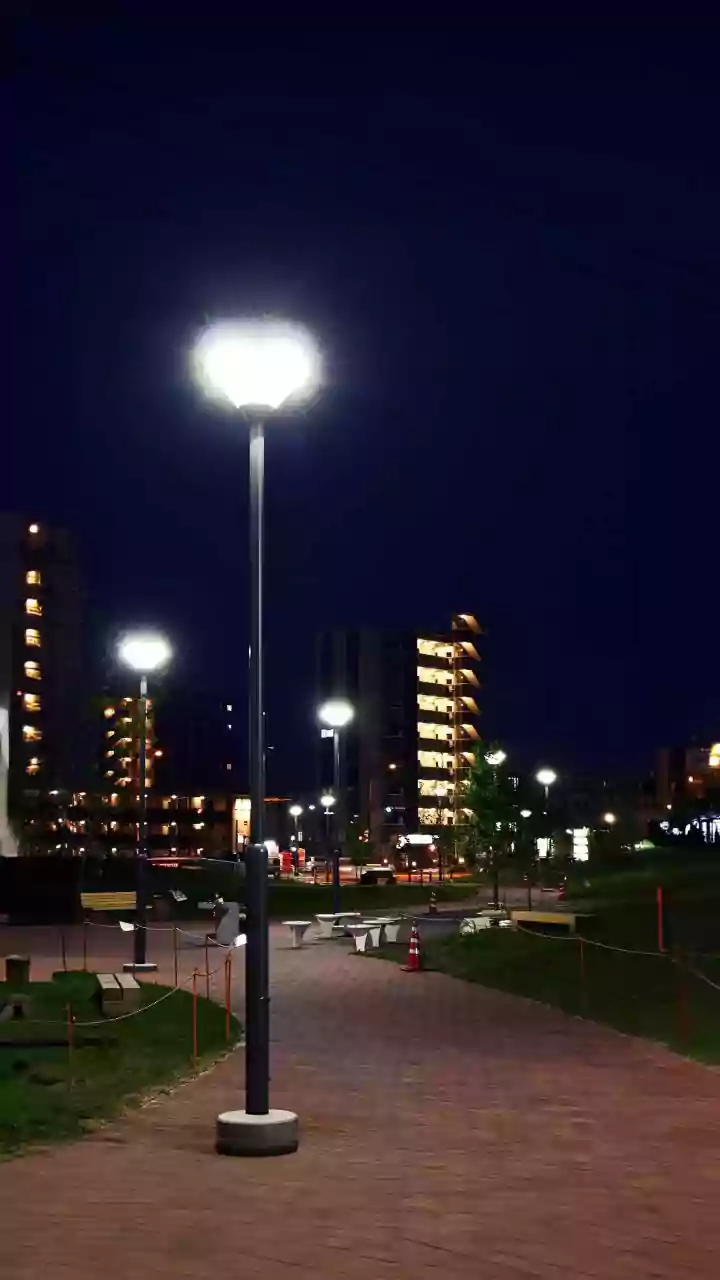
The secret to a successful community park lies in its design. It's not enough to just have open space; the layout and amenities must be thoughtfully planned to encourage activity and interaction. This includes creating flexible, multi-use lawns perfect for everything from group yoga and laughter clubs to informal games of cricket. Well-maintained walking and jogging loops that are clearly marked and well-lit encourage regular use. Furthermore, designers are incorporating amenities that cater to a wide range of interests and age groups. This can include outdoor gyms with simple bodyweight equipment like pull-up bars, designated sports courts, and safe, inclusive playgrounds that allow children of all abilities to play together. The goal is to create a space where different activities can happen simultaneously, fostering a vibrant atmosphere and opportunities for spontaneous social connection.
The Power of Purposeful Programming
A well-designed park is only half the story. To truly bring it to life, active programming is essential. This is where local authorities, resident welfare associations, and private fitness groups play a crucial role. Regularly scheduled group fitness classes like Zumba, boot camps, and aerobics sessions create a sense of routine and community. These organised activities lower the barrier to entry for fitness, offering an accessible and often low-cost alternative to private gyms. Beyond fitness, parks serve as natural venues for a host of community events. Farmers' markets, cultural festivals, open-air movie nights, and art installations all draw people together, strengthening social bonds and creating a shared sense of place. This programming ensures the park is a dynamic, evolving space that reflects the cultural and social identity of the neighbourhood it serves.
The Social and Health Dividends
The benefits of these active community spaces are immense. On an individual level, regular access to green spaces for exercise is proven to improve both physical and mental health. Studies show that it reduces stress, anxiety, and the risk of chronic diseases. But the impact goes beyond personal health. When neighbours exercise together and attend community events, it breaks down social barriers and combats the loneliness that can be pervasive in city life. These interactions build social capital—the networks of relationships among people who live and work in a particular society, enabling that society to function effectively. Parks with a strong community presence are also often safer and see reduced crime rates, creating a positive feedback loop where safety encourages more use, and more use enhances safety.