




What Exactly Is Changing?
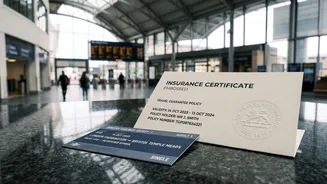
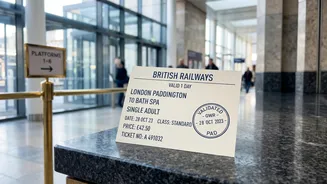
Following a directive from the Supreme Court, Indian Railways will now offer its optional travel insurance scheme to passengers purchasing tickets at reservation counters, effective October 27, 2026. Previously, this low-cost insurance was primarily available
only to those who booked their tickets online through the IRCTC website or app. This created a disparity, leaving out a significant number of travellers who rely on traditional booking methods, particularly in rural and semi-urban areas. The new, standardised approach ensures that every passenger, regardless of how they buy their ticket, has the choice to secure their journey. The court's order came in response to safety concerns raised in the wake of the Odisha train disaster in June 2023.
Understanding the Insurance Coverage
The optional travel insurance scheme provides substantial financial coverage for a remarkably low premium. In the unfortunate event of a train accident or other 'untoward incidents' as defined by the Railways Act, the policy provides significant support. The coverage includes ₹10 lakh for death or permanent total disability. For permanent partial disability, the coverage is up to ₹7.5 lakh. The policy also provides for up to ₹2 lakh for hospitalisation expenses due to injury and ₹10,000 for the transportation of mortal remains. This financial safety net is designed to provide relief to passengers and their families during incredibly difficult times. The coverage is valid from the train's departure until its arrival at the destination, including the process of boarding and alighting.
A Nominal Cost for Peace of Mind
The most compelling feature of this insurance scheme is its affordability. The premium is just 45 paise per passenger, inclusive of all taxes. This nominal cost makes it accessible to travellers from all economic backgrounds. It's a uniform rate across all classes of travel, from sleeper to air-conditioned coaches. For less than half a rupee, a passenger secures coverage worth up to ₹10 lakh. This standardisation aims to democratise safety, ensuring that financial constraints do not prevent passengers from opting for crucial protection during their journey. The premium is non-refundable even if the ticket is cancelled.
How Counter-Ticket Holders Can Opt In
While the directive is now in place, Indian Railways is finalising the exact mechanism for counter-ticket holders. Based on the existing online system, the process is expected to be straightforward. Passengers buying tickets at a counter will likely need to provide a valid mobile number during the booking process. After the ticket is issued, the passenger will receive an SMS and an email from the insurance provider with a link to a webpage. On this page, they can enter the required nominee details. It is crucial to fill out these details to ensure a smooth claim process for the designated beneficiary. If nominee details are not provided, any claim settlement would be made with the legal heirs, which can be a more prolonged process.
Why This Standardisation Matters
This policy standardisation is a significant step towards passenger equity. It acknowledges that a large portion of India's population still depends on physical ticket counters and should not be excluded from safety-net provisions available in the digital sphere. The Supreme Court's intervention highlighted this very gap, pushing for a system that protects every passenger equally. By making insurance accessible to all, Indian Railways is reinforcing its commitment to passenger safety and welfare. It brings millions of offline ticket buyers, who were previously at a disadvantage, into the fold of modern financial protection, ensuring their journeys are not just convenient but also secure.