





The Real Risk of 'Fried Rice Syndrome'
The concern around leftover rice isn't a myth. It's linked to a bacterium called Bacillus cereus. Spores of this bacteria are commonly found on raw rice and can survive the cooking process. The danger arises when cooked rice is left at room temperature.
In this 'danger zone'—between 40°F and 140°F—the spores can germinate into active bacteria, which then multiply and produce toxins. This can lead to a type of food poisoning sometimes called 'fried rice syndrome', with symptoms like vomiting and diarrhoea appearing anywhere from one to 15 hours after consumption. Crucially, these toxins are heat-resistant, meaning that once they've formed, even reheating the rice to a high temperature won't destroy them. The key to safety is preventing the bacteria from growing in the first place.
Is Basmati Rice Any Different?
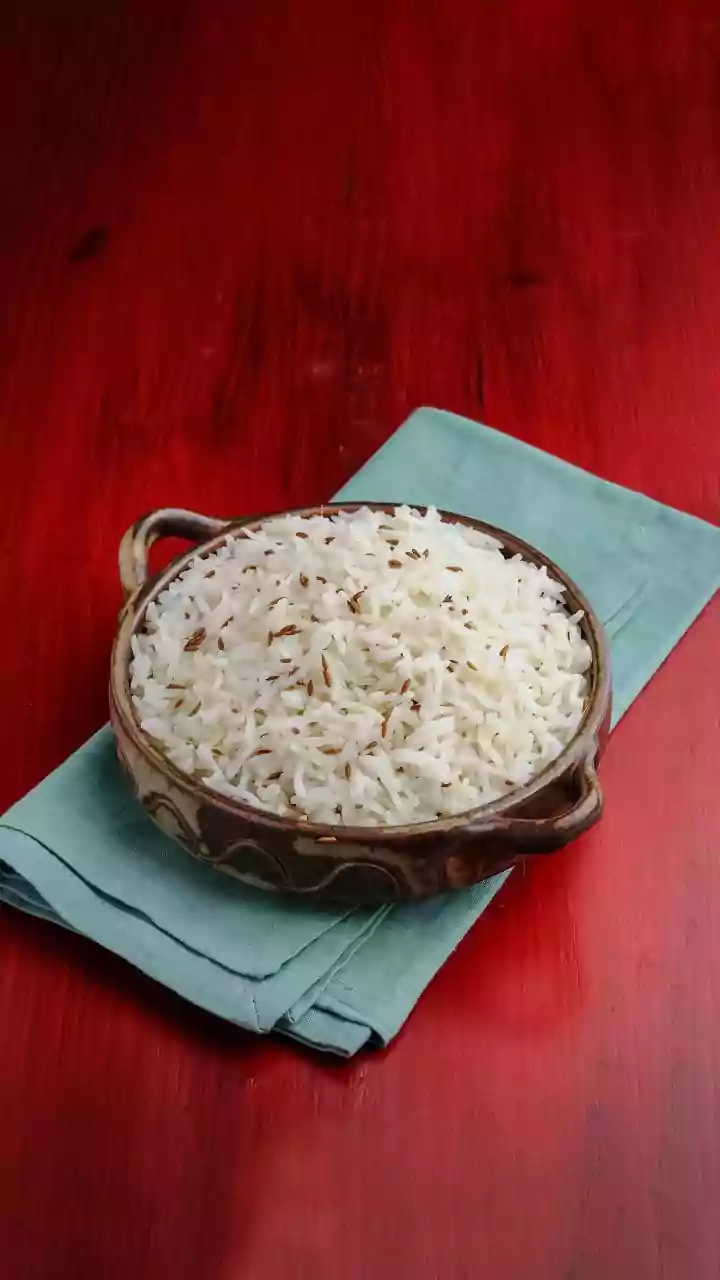
While the headline specifies Basmati, the safety rules apply to all types of rice. Whether it's long-grain Basmati, short-grain sushi rice, or brown rice, all can harbour Bacillus cereus spores. The structure of Basmati, known for its separate, fluffy grains, doesn't change the fundamental risk. What can make a difference is how the rice is handled. Because Basmati grains are less prone to clumping, they can cool more quickly if spread out, which is a key safety step. However, the core principles of rapid cooling, proper storage, and thorough reheating are universal for all cooked rice. The focus should always be on time and temperature control, regardless of the grain.
The Golden Rule: Cool It Fast
The most critical step in safely handling leftover rice is cooling it as quickly as possible. The UK's National Health Service (NHS) and Food Standards Agency (FSA) advise that cooked rice should be cooled and placed in the fridge ideally within one hour. Never leave a pot of rice to cool on the stovetop or counter for several hours. To speed up the cooling process, you can divide the rice into smaller, shallow containers or spread it out on a clean tray. Rinsing plain rice under cold water is another effective method to bring the temperature down rapidly. Do not place very hot food directly into the fridge, as it can raise the internal temperature of the appliance, potentially endangering other foods.
Storing Leftovers Like a Pro
Once the rice has cooled, it must be stored correctly. Transfer it to an airtight container and place it in the fridge promptly. According to the NHS, you should aim to eat refrigerated rice within 24 hours. Keeping it for this limited time minimises the window for any surviving bacteria to multiply. When storing, ensure it's kept away from raw foods, especially meats and fish, to prevent cross-contamination. If you've cooked a large batch and know you won't use it within a day, freezing is an excellent option. Portion the cooled rice into freezer-safe bags or containers and freeze it on the day it was cooked.
Reheating for Maximum Safety
When you're ready to eat your leftovers, reheating must be done thoroughly. The goal is to make the rice 'steaming hot' all the way through, not just warm. This ensures that any bacteria that might have grown are killed. If using a microwave, add a tablespoon or two of water, cover the container loosely, and heat, stirring midway to eliminate any cold spots. On the stovetop, a splash of water or broth in a pan can help steam the grains back to life. A crucial rule to follow is to only reheat rice once. Reheat only the portion you intend to eat, and discard any leftovers from the reheated batch.