




More Than Just a Snack
In many Indian households, the act of making food together is a tradition that weaves together stories and strengthens bonds. The preparation of cutlets is a perfect example. It's a sensory ritual: the rhythmic chopping of onions and coriander, the soft
mash of boiled potatoes, the sizzle as the patty hits hot oil. These aren’t just steps in a recipe; they are the sounds of a family kitchen in motion. Preparing meals together is a cornerstone of family life, a time for connection and sharing. Getting everyone involved—from children mashing potatoes to an adult handling the frying—transforms a simple meal into a shared project, creating memories long after the plates are cleared.
The Classic Vegetable Cutlet
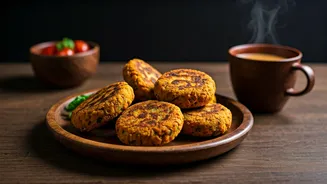
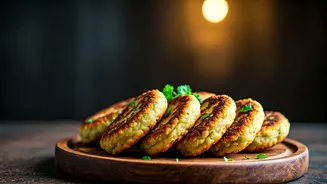
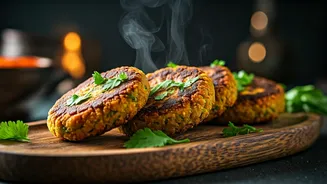
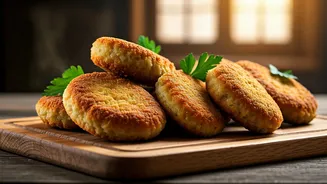
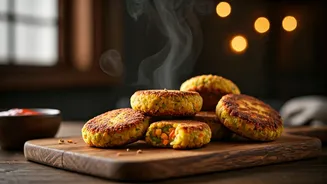
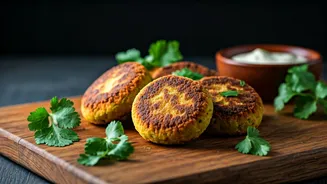
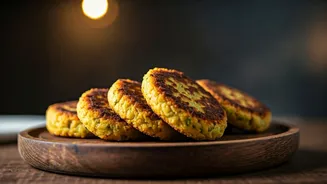
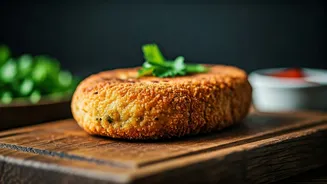
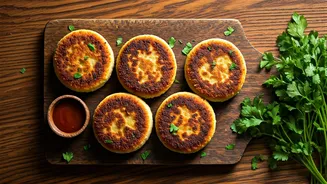
The vegetable cutlet is a universal favourite, a crispy parcel of soft, spiced vegetables. The foundation is almost always boiled and mashed potatoes, which act as a binder for a colourful mix of finely chopped carrots, beans, peas, and corn. To build flavour, aromatics like minced ginger, garlic, and green chillies are sautéed before being mixed into the vegetables along with fragrant spices like turmeric, cumin powder, and garam masala. Many recipes suggest that for a crispier, healthier alternative to deep frying, the cutlets can be shallow-fried, baked, or even air-fried. The goal is a perfect contrast: a crunchy, golden-brown exterior giving way to a soft, flavourful interior.
For Meat Lovers: Chicken and Mutton
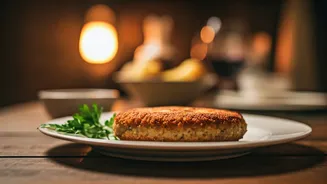
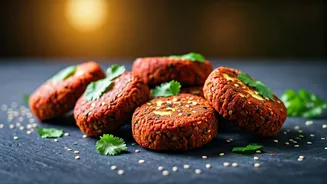
For those who prefer a non-vegetarian option, chicken and mutton cutlets offer a rich and savoury alternative. Chicken cutlets are often made with minced or finely shredded cooked chicken, mixed with mashed potatoes, onions, and a blend of spices like garam masala and coriander powder. Mutton cutlets, typically using keema (minced mutton), provide a deeper, more robust flavour. The process often involves cooking the mince with ginger-garlic paste, onions, and spices until it's dry, then combining it with a binder like potatoes or even soaked bread slices before shaping and frying. Whether you choose chicken or mutton, the result is a hearty, protein-packed patty that is immensely satisfying.
The Secret to the Perfect Crunch
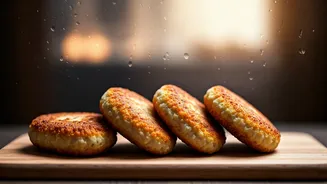
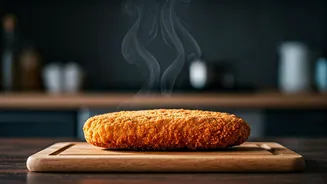
The defining feature of a great cutlet is its crunch. Achieving that perfect texture comes down to a few key techniques. First is the coating. A classic three-step breading process—a light dusting in flour, a dip in beaten egg (or a cornflour slurry for a vegan option), and a final, generous coating in breadcrumbs—is essential. Panko breadcrumbs are often recommended for an extra-crispy texture. Letting the breaded cutlets rest for 10-15 minutes in the refrigerator before frying helps the coating adhere firmly. Finally, the oil temperature is critical. The oil must be hot enough for the cutlet to sizzle immediately, ensuring it cooks quickly and becomes golden brown without absorbing excess oil. Frying in batches and not overcrowding the pan is another pro-tip to maintain the oil temperature and guarantee maximum crispiness.
Making It a Cherished Ritual
Beyond the kitchen techniques, the real joy of homemade cutlets lies in making them a family tradition. These patties are incredibly versatile and can be prepared in advance, making them perfect for gatherings. You can make a large batch of the mixture and shape the patties, then freeze them for a quick snack or meal another day. Served hot with a side of ketchup or a tangy green chutney, they are a guaranteed crowd-pleaser. By turning the simple act of making cutlets into a weekend ritual, you're not just cooking; you're creating a delicious tradition that reinforces family bonds and fills your home with warmth and the irresistible aroma of something made with love.