


A Quest for Better Health
A major force behind this revival is a collective shift towards wellness. Consumers are increasingly aware of what’s on their plate, moving away from highly processed grains towards more nutritious alternatives. Traditional rice varieties, unlike their polished
counterparts, often come packed with nutrients. Many indigenous types like red and black rice are rich in fibre, antioxidants, vitamins, and essential minerals like iron and zinc. For example, Navara rice from Kerala, mentioned in ancient Vedas, is celebrated in Ayurveda and is known for being rich in protein and easily digestible. Varieties like Kala Namak have a naturally low glycemic index, making them a better option for managing blood sugar levels. This focus on preventive health and nutrient-dense foods is turning many Indians back to the grains their ancestors ate.
An Explosion of Flavour and Aroma
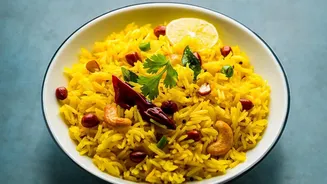
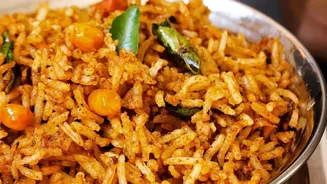
Beyond nutrition, the return of regional rice is a culinary renaissance. Decades of monoculture, a legacy of the Green Revolution, led to a uniform taste on the dinner table. Now, food lovers are rediscovering the diverse and complex profiles of heirloom grains. There's West Bengal's Gobindobhog, a short-grain, sticky rice with a sweet, buttery flavour that earned it a GI tag in 2017. Its distinct aroma is essential for festive dishes like payesh and khichuri. Then there is Kala Namak, the 'scented black pearl' of Uttar Pradesh, which has been cultivated since the Buddhist period and offers a unique fragrance. These varieties bring a sense of place and character to meals, transforming rice from a simple staple into a celebrated ingredient. Chefs and home cooks are embracing these grains to create more authentic and flavourful regional dishes.
Good for the Farmer, Good for the Planet
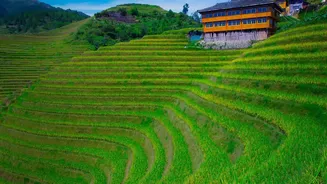
The resurgence is also rooted in agricultural sustainability and climate resilience. India once cultivated over 100,000 different rice varieties, each adapted to its specific local environment. Many of these indigenous strains are naturally hardy, capable of withstanding droughts, floods, and saline soil where modern hybrid varieties fail. In the cyclone-prone Sundarbans, farmers are reviving salt-tolerant varieties like Nona Bokra. In Kerala, Pokkali rice is known for surviving in flooded, saline coastal wetlands. These traditional grains often require fewer chemical fertilisers and pesticides, reducing the financial burden on small farmers and promoting more organic cultivation. As climate change makes farming more unpredictable, these resilient, ancestral seeds are proving to be a lifeline for agricultural communities.
Reclaiming Cultural Heritage
Ultimately, bringing back these rice varieties is an act of cultural preservation. Each grain tells a story, connecting the present generation to centuries of agricultural wisdom and culinary tradition. The loss of these varieties during the Green Revolution also meant the erosion of biodiversity and local food cultures. Today, a network of individual farmers, conservationists, and non-profit organisations are working to preserve what's left. Padma Shri awardee Sathyanarayana Beleri in Karnataka conserves over 650 traditional paddy varieties. In Tamil Nadu, a state-backed mission is promoting heritage rice like Mappillai Samba and Karuppu Kavuni. This movement isn't just about what we eat; it’s about safeguarding India's rich agricultural biodiversity for future generations.