






From 'Local' to Hyper-Specific
For years, 'farm-to-table' has been the gold standard for conscious dining, a shorthand for freshness and quality. But a new, more granular trend is taking its place: hyper-regionality. Chefs and restaurateurs are no longer satisfied with just telling
you an ingredient is local; they want to tell you its life story. This means menus that specify not just the state, but the district, the farm, or the specific coastal water an ingredient comes from. This movement has been dubbed hyper-local, and it's transforming provenance from a simple mark of quality into the main attraction. Diners, increasingly curious about the origins of their food, are responding enthusiastically. They want meals that tell a story and reflect local traditions.
The Power of Terroir
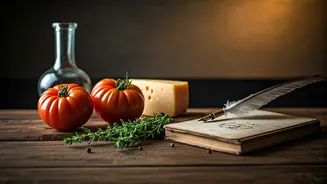
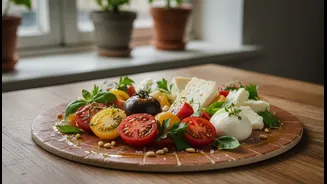
At the heart of this trend is the French concept of 'terroir' (pronounced ter-wahr). Originally used to describe how a specific region—including its soil, climate, and topography—gives wine its unique character, the term is now being applied to everything from cheese and coffee to vegetables and meat. Terroir is the 'taste of a place'. It’s the reason why a tomato grown in the volcanic soil near a volcano can taste profoundly different from one grown in sandy coastal earth. This idea celebrates the unique character that a specific environment imparts on its produce. But it isn't just about the land; it also includes human factors, like generations-old farming traditions and harvesting techniques. By focusing on terroir, chefs can highlight flavours that are impossible to replicate anywhere else.
A Story in Every Bite
Why this sudden obsession with geography? It’s about more than just flavour. In an increasingly globalised world, diners are craving connection and authenticity. Knowing that your fish was caught by a specific Goan fishing community or that the chillies in your dish are the famed Khola chillies from Goa (which received a Geographical Indication tag in 2020) makes the dining experience more memorable. It's an emotional connection as much as a flavourful one. Chefs are becoming storytellers, with each dish serving as a narrative of a place, a community, or a personal history. This approach builds a deeper relationship with diners, who feel like they are participating in a legacy, not just eating a meal.
The Indian Micro-Cuisine Movement
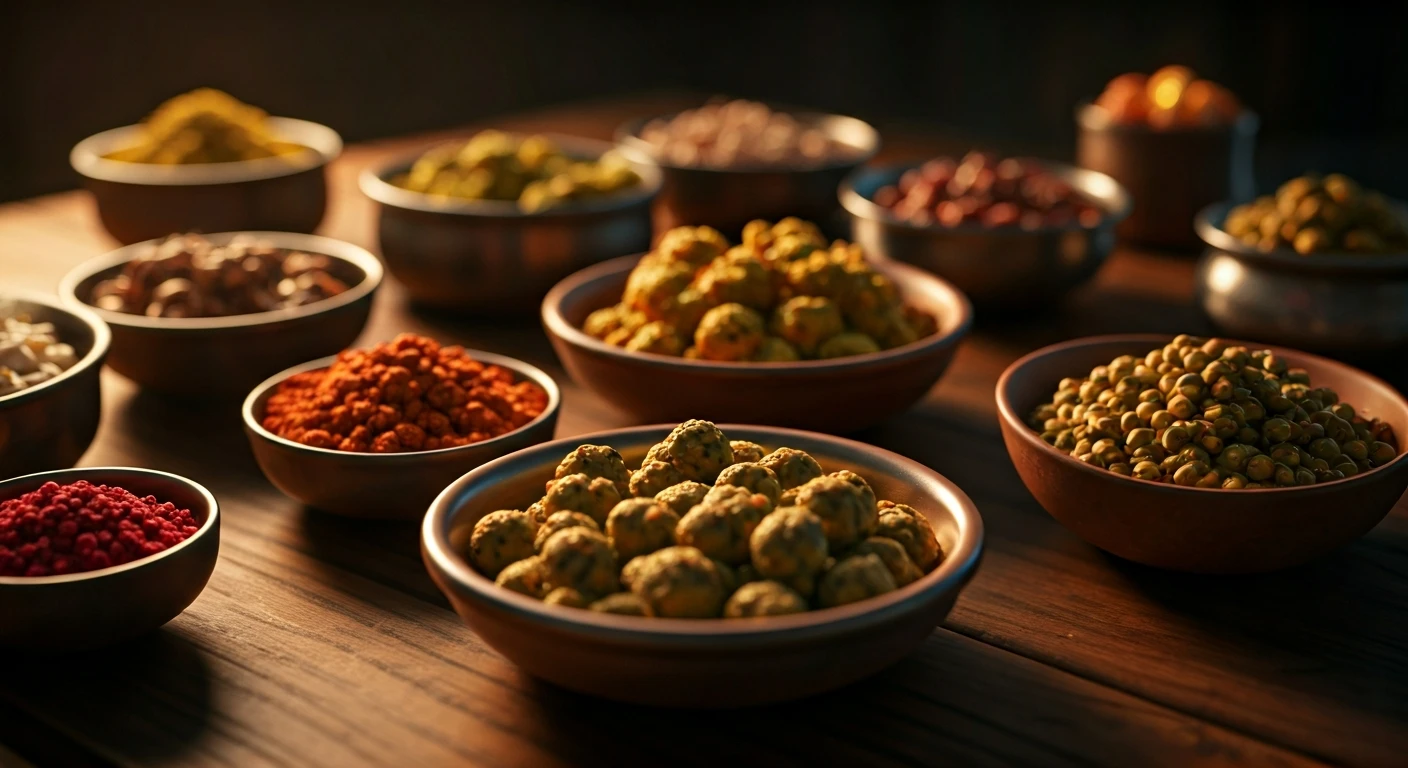
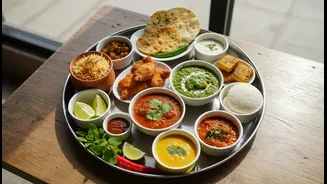
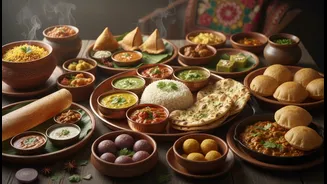
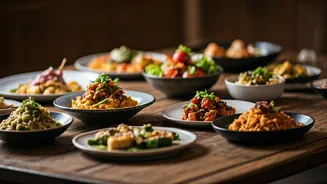
This trend is particularly vibrant in India, a country where cuisines can change dramatically every 100 kilometres. Chefs are moving past pan-Indian menus to celebrate hyper-regional and community-specific food traditions. Think dishes from Kodava cuisine in Karnataka, Mappila food from Kerala, or the recipes of the Angami Naga community in Nagaland. This movement is bringing forgotten ingredients and dying recipes back into the spotlight. Menus are now proudly featuring GI-tagged ingredients like Manipuri Black Rice, Bikaneri Bhujia, and Kashmiri Saffron, each with a unique story tied to its place of origin. This isn't just a trend; it's a cultural movement celebrating India's immense diversity one plate at a time.
What This Means for Your Next Meal
This shift towards geographical honesty has a direct impact on the diner. It brings a new level of transparency and respect for ingredients to the forefront. It encourages us to think more deeply about where our food comes from and the ecosystems that produce it. While this can sometimes mean higher prices due to the complexities of sourcing from small, specific producers, it also promises unmatched freshness and flavour. As chefs continue to explore and champion the unique culinary identities of specific regions, diners can expect to embark on delicious journeys without ever leaving their table. The menu is no longer just a list of options; it's a curated atlas of taste.