
Venus: The Brilliant Evening Star
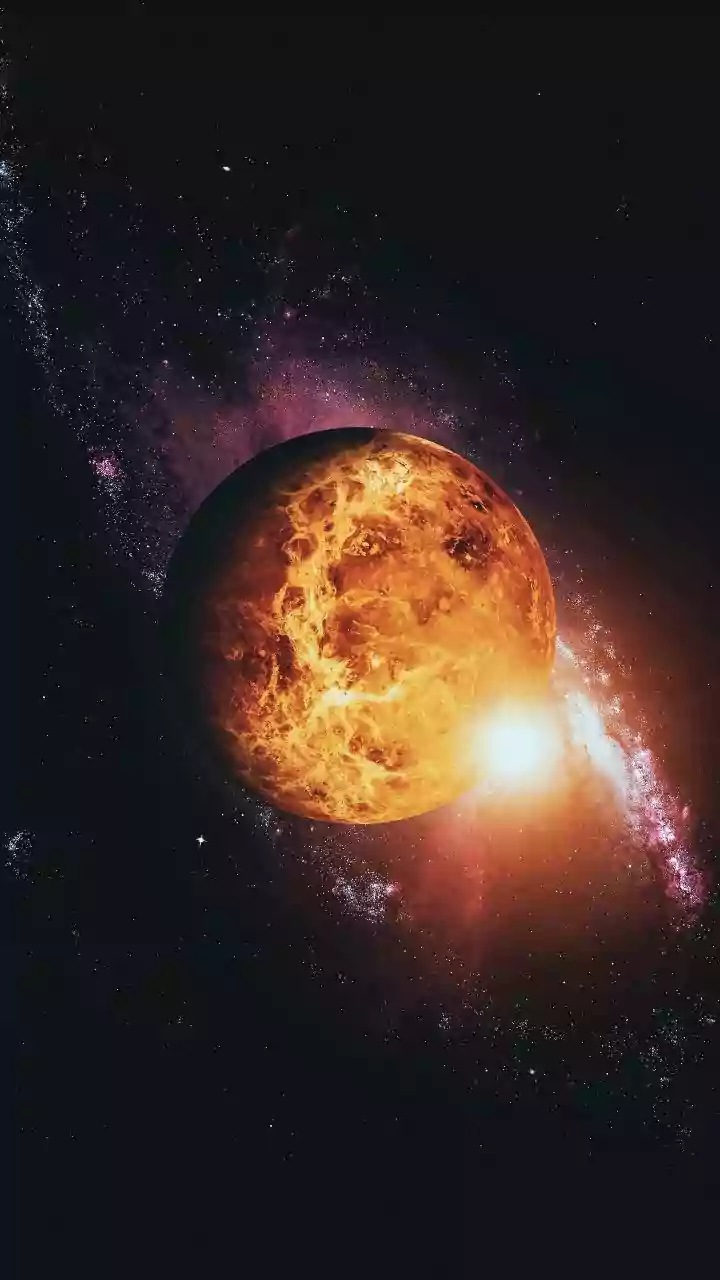
Throughout September, Venus will command attention as a brilliant beacon in the western sky shortly after sunset. The planet reaches its greatest brilliancy for the year on September 18, shining at a dazzling magnitude of -4.8. This is exceptionally bright,
outshining every other star-like object in the night sky. For a particularly beautiful sight, look to the west after sunset on September 14, when a slender waxing crescent Moon will appear very close to Venus, creating a stunning pair. Early in the month, on September 1 and 2, Venus will also be close to Spica, the brightest star in the constellation Virgo. While Venus will be prominent all month, it will appear lower on the horizon as the weeks progress, so your best views will be earlier in the evening.
The Full Harvest Moon Rises
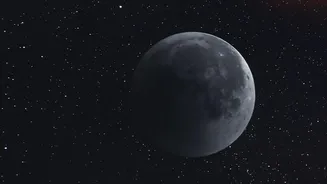
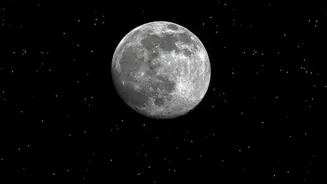
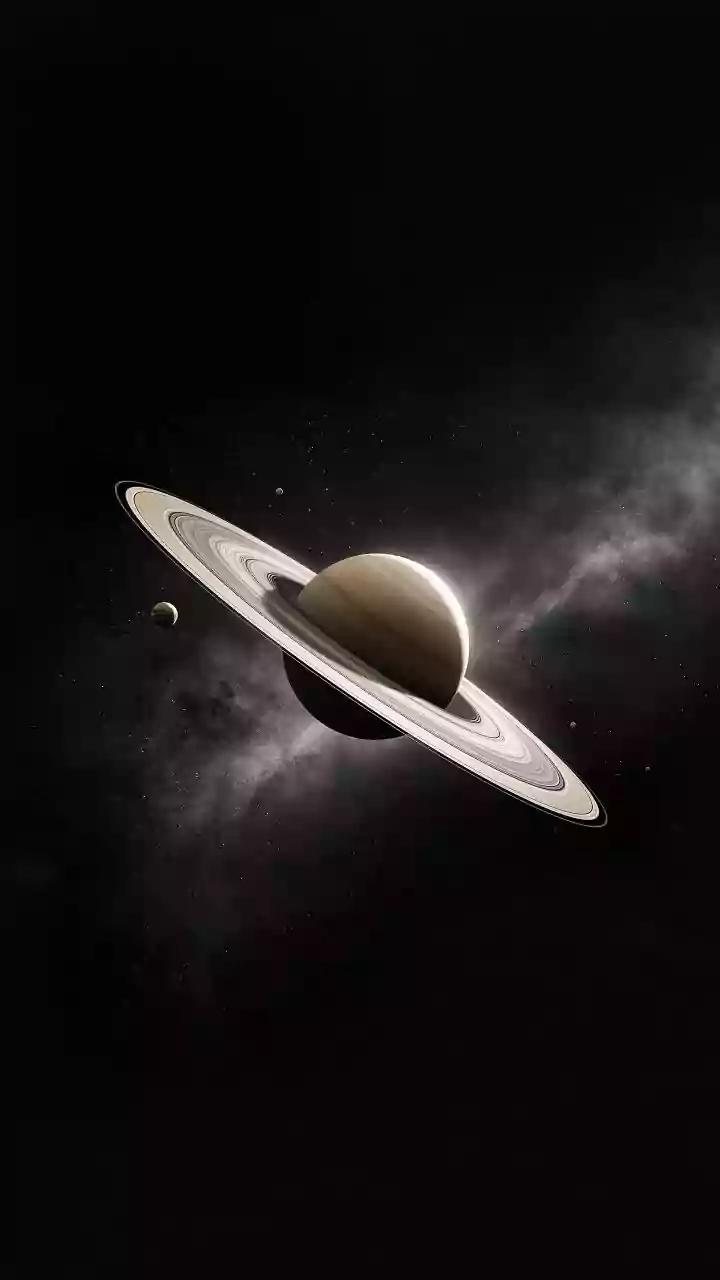
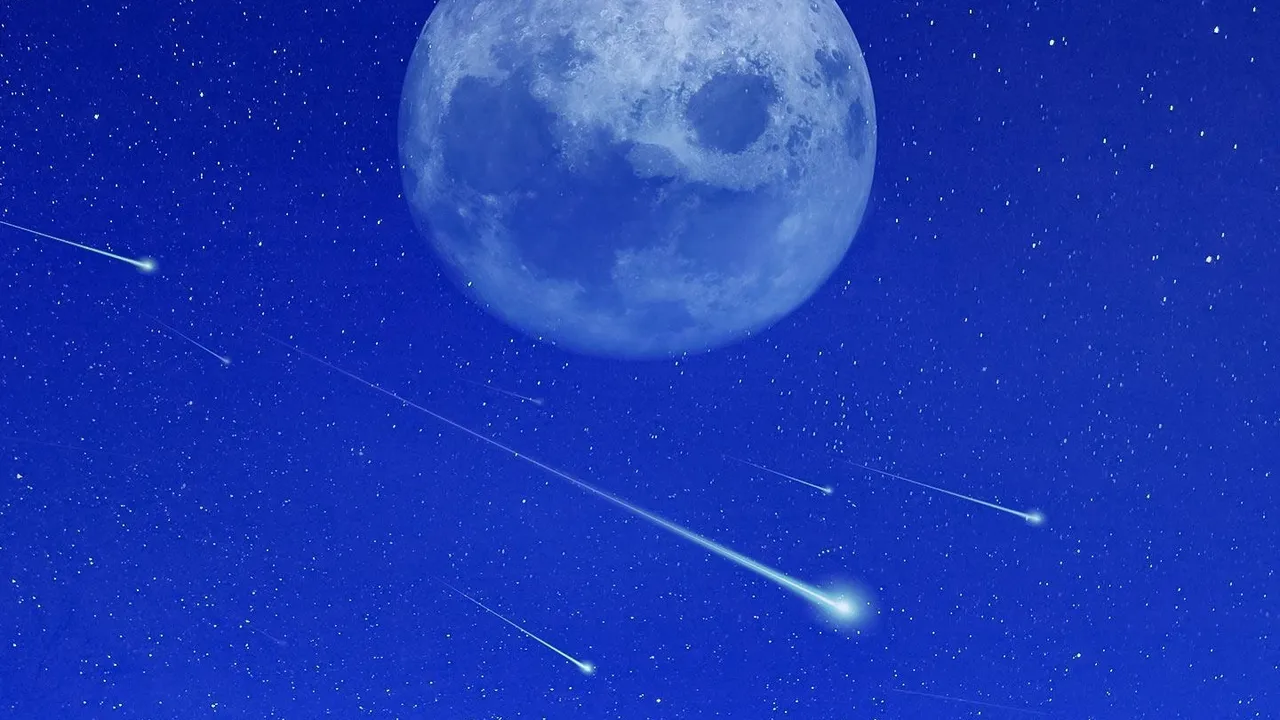
September’s full moon, which rises on the evening of September 26, is the famous Harvest Moon. This title is given to the full moon that occurs closest to the autumnal equinox, which falls on September 22 this year. The Harvest Moon is known for rising at nearly the same time for several consecutive evenings, a phenomenon that historically provided farmers with extra light to bring in their crops. You can watch for it to rise around sunset, when it will appear large and may have a golden-orange hue due to an optical effect known as the Moon illusion. As an added bonus, the planet Saturn will be visible shining nearby, making for a beautiful celestial tableau all night long.
A Parade of Planets
Venus and Saturn aren't the only planets gracing September's skies. All five naked-eye planets will be visible at some point during the month. If you're an early riser, look to the pre-dawn eastern sky for views of Mars and Jupiter. On the mornings of September 6 and 8, the waning crescent Moon will create lovely pairings with Mars and Jupiter, respectively. The Moon will pass very close to bright Jupiter on September 8, making the gas giant easy to spot. Meanwhile, Saturn will be visible for most of the night, rising in the east as evening darkness falls. Even elusive Mercury makes a brief appearance low in the western sky during the final week of the month.
Best Time for Deep Sky Viewing
The new moon falls on September 11, rendering the sky perfectly dark for stargazers. The nights surrounding the new moon are the ideal time for hunting for fainter objects like galaxies and nebulae because there is no moonlight to wash them out. For those in the Northern Hemisphere with access to a dark sky location away from city lights, this window offers one of the last best chances of the year to see the bright core of our own Milky Way galaxy. This is also a great opportunity to try and spot the Andromeda Galaxy, the closest major galaxy to our own. The lack of moonlight makes it easier to spot this distant, fuzzy patch of light with binoculars or a small telescope.
Special Events and How to Watch
Beyond the major moon phases and planetary sightings, keep an eye out for International Observe the Moon Night on September 19. It's a worldwide event organized by NASA to encourage people to look at and learn about our celestial neighbor. On September 25 and 26, the distant planet Neptune will be at opposition, meaning it is opposite the Sun in our sky. While you'll need a telescope to see Neptune, this is when it will be at its brightest and closest to Earth for the year. Finally, the September equinox occurs on September 22, officially marking the start of autumn in the Northern Hemisphere and spring in the Southern Hemisphere.