




Understanding the Chaturmas Kitchen
Chaturmas, which in 2026 begins on July 25th and concludes on November 20th, is a significant four-month period in the Hindu calendar corresponding with the monsoon season. It is a time dedicated to prayer, introspection, and spiritual practices. A key
aspect of this observance is dietary discipline, which involves abstaining from certain foods to promote a sattvic, or pure, lifestyle. Traditionally, this meant avoiding tamasic foods like onions, garlic, and non-vegetarian items, which are believed to increase lethargy and distract from spiritual focus. The practice also has a scientific basis; during the monsoon, digestive systems are considered weaker, and the risk of foodborne illnesses from certain perishable foods, especially leafy greens, increases.
Meal Prep: A Modern Solution for an Ancient Practice
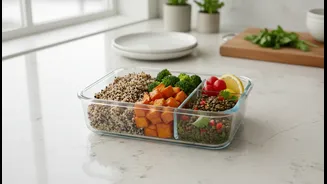
While the spiritual intent remains strong, adhering to the shifting dietary guidelines of Chaturmas can be complex in today's fast-paced world. The rules change month by month, making it a constant mental load to track what's allowed and what's not. This is where vegetarian meal prep comes in as a game-changer. By dedicating a few hours each weekend to plan and prepare meal components, you can ensure your weekly menu is compliant, delicious, and stress-free. It transforms the observance from a daily culinary puzzle into a manageable and fulfilling practice, allowing you to focus on the spiritual aspects rather than worrying about what to cook.
The All-Months Prep Foundation
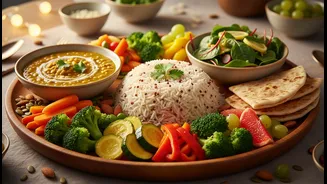
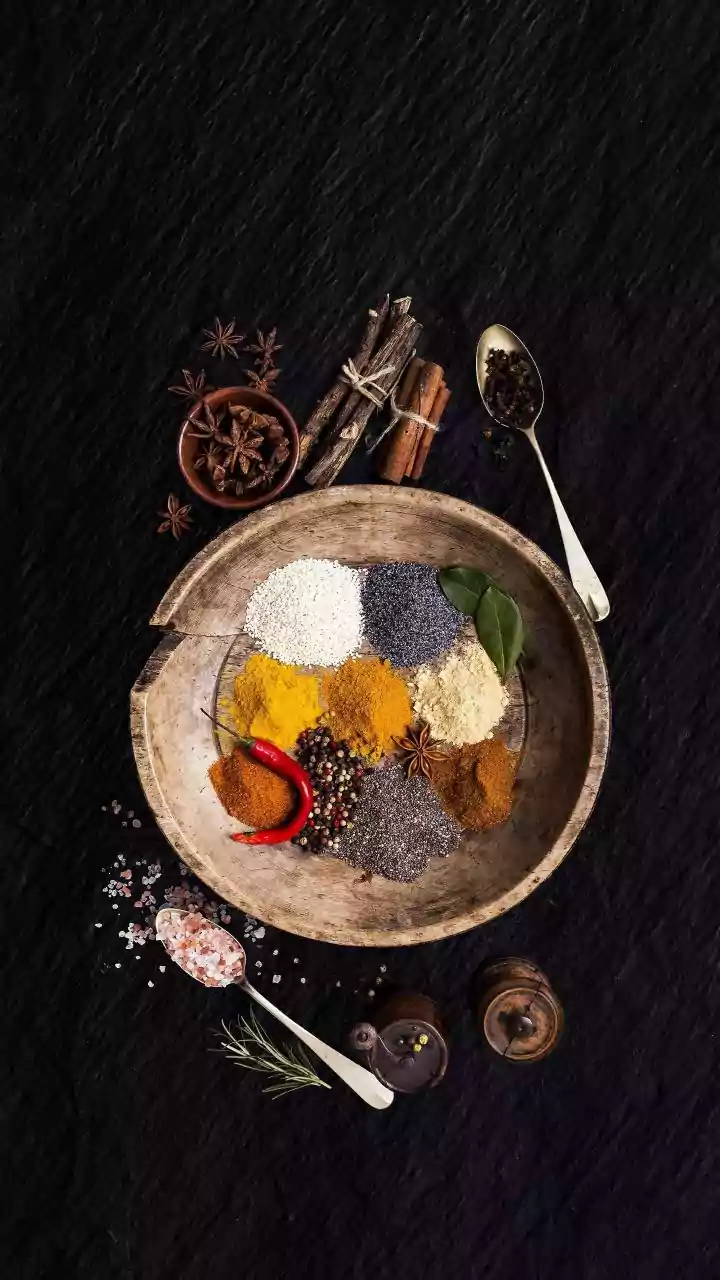
Before diving into the monthly specifics, you can create a 'Chaturmas-compliant' pantry of prepped ingredients that will serve you throughout the four months. Start by making a large batch of ginger-chilli paste to substitute for the usual onion-garlic base. Pureed tomatoes, boiled and skinned, can be frozen in ice cube trays for easy addition to gravies. A versatile paste of cashews, melon seeds, or peanuts can be made and stored to add creaminess to dishes. For grains, think beyond wheat and rice. Roast and store amaranth (rajgira) and sago (sabudana), both of which are excellent for fasting foods and provide sustained energy.
Month 1 (Shravan): Forgoing the Greens
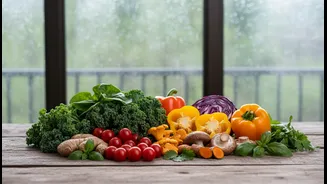
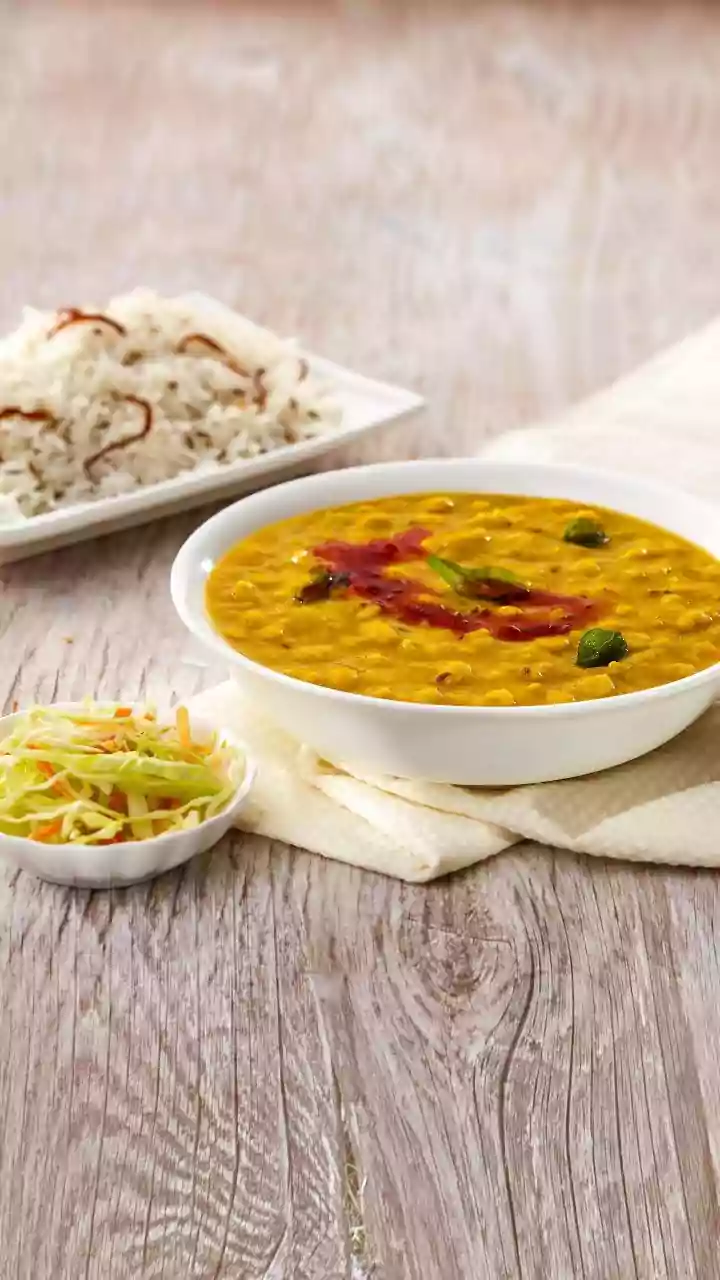
The first month, Shravan, traditionally involves avoiding 'shaak' or green leafy vegetables, and often brinjal as well. This is because they are more prone to insects during heavy rains. Your meal prep can focus on dicing and storing heartier vegetables like pumpkins, gourds (lauki, turai), potatoes, and yams. Cabbage, which is generally permitted, can be shredded for quick stir-fries. You can also pre-soak legumes like moong dal and chana dal for making simple, protein-rich curries. Preparing a batch of moong dal, the lightest of lentils, is a great idea for this period.
Month 2 (Bhadra): Delicious Dishes Without Dahi
The second month, Bhadrapada, calls for abstaining from yogurt (dahi) and dishes where it is a primary ingredient, like kadhi or lassi. To ensure your food remains flavourful, meal prep can focus on alternatives that provide tanginess. Squeeze and freeze lemon juice in cubes. Prepare a small jar of amchur (dry mango powder) or a simple tamarind paste. Your prepped tomato puree will be invaluable here. Focus on recipes like dry vegetable stir-fries (sabzis), lentil soups (dals), and paneer dishes that rely on a tomato or nut-based gravy instead of a yogurt marinade.
Month 3 (Ashwin): Rethinking Milk
In the third month, Ashwin, the practice is to avoid consuming milk. This primarily applies to drinking milk directly or in beverages like milkshakes. Interestingly, transformed milk products like paneer and cheese are often allowed. For meal prep, you can cube and pan-fry paneer to have on hand for quick curries. Your pre-made cashew or melon seed paste becomes a star ingredient, creating creamy, rich gravies without a drop of milk. This is a great time to explore coconut milk-based curries as well, offering a different flavour profile that is fully compliant.
Month 4 (Kartik): The Final Phase
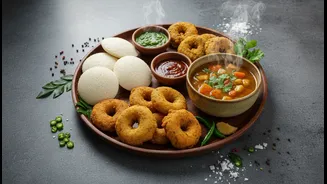
The final month, Kartik, involves avoiding protein-heavy pulses like urad dal and masoor dal. This means popular breakfast items like idli and dosa are off the menu if they are made with urad dal. Your meal prep can shift towards alternatives. Make a batter for moong dal chillas or besan (gram flour) pancakes. Prepare dough for parathas stuffed with compliant vegetables like potato or radish. This is the time to lean on rice-based dishes, sabudana khichdi, and rotis made from different flours like jowar or bajra, paired with the simple sabzis and dals you’ve mastered.