






The Ache After the Effort
Delayed Onset Muscle Soreness, or DOMS, is the familiar pain that appears 24 to 48 hours after you’ve pushed your muscles harder than usual. It’s caused by microscopic tears in muscle fibres that occur during intense exercise. As your body repairs these
tears, the muscles rebuild stronger. While this is a normal part of getting fit, the accompanying stiffness and discomfort can disrupt your training schedule and daily life. For years, athletes and fitness enthusiasts have sought ways to speed up this recovery process, exploring everything from foam rolling to ice baths. Now, many are turning to a form of heat therapy for relief.
Not Your Average Steam Room
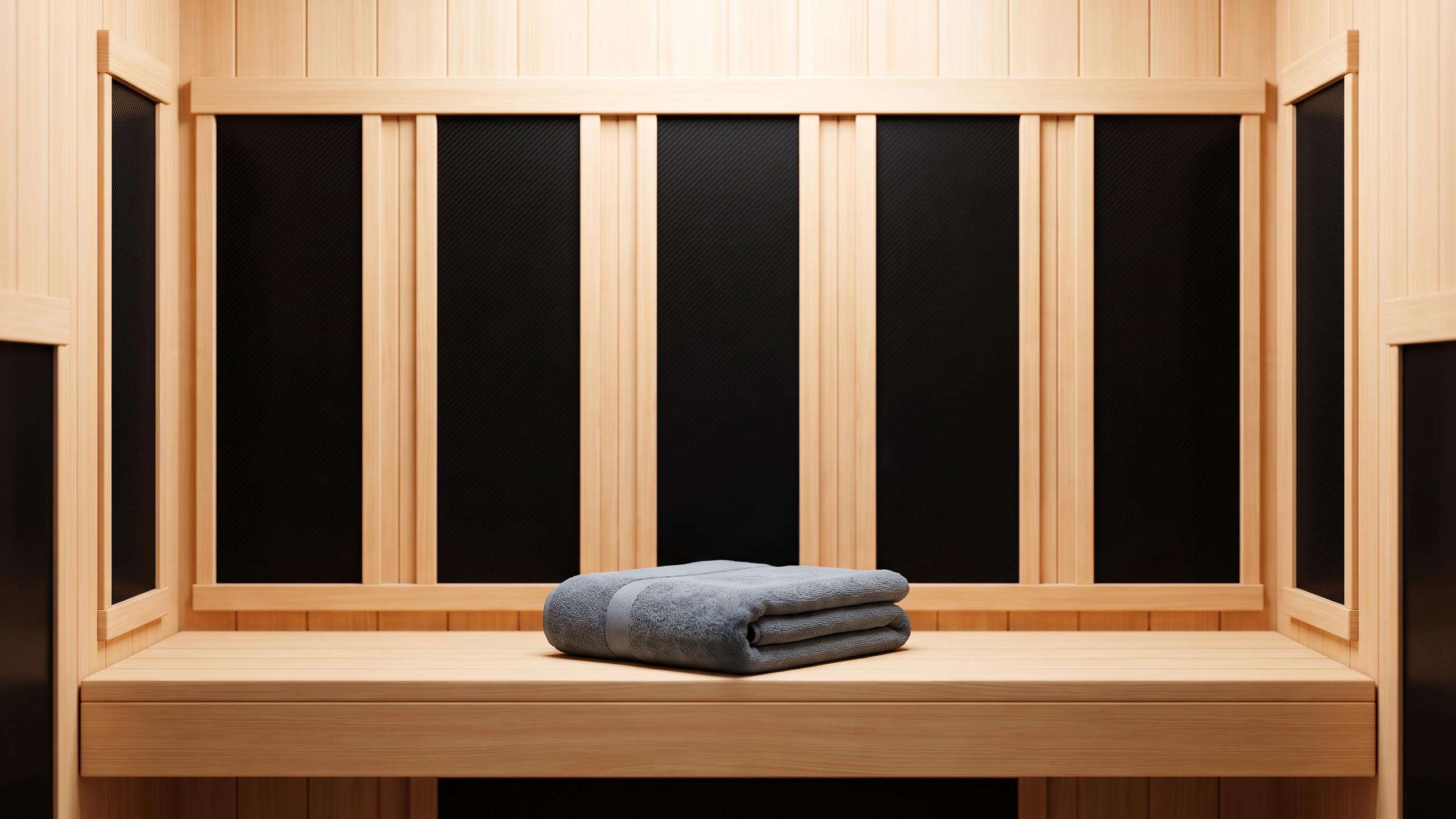
An infrared sauna is different from the traditional saunas you might find at a gym. Instead of using steam or electric stoves to heat the air to very high temperatures, an infrared sauna uses special lamps that emit infrared light. This light is part of the invisible spectrum and penetrates the skin to heat the body directly from within. The key advantage is that it achieves this therapeutic heat at much lower, more comfortable air temperatures—typically around 48°C to 60°C, compared to the 75°C to 95°C of a traditional sauna. This allows for longer, less intense sessions where the heat can sink deeper into muscle tissues.
How Heat Helps Muscles Heal
The primary reason active people use infrared saunas is to enhance recovery by tackling soreness at its source. The penetrating heat boosts circulation by causing blood vessels to dilate. This increased blood flow delivers a fresh supply of oxygen and essential nutrients to tired, damaged muscles, while also helping to flush out metabolic waste products that contribute to stiffness. Studies suggest this process can reduce inflammation at a cellular level, which is a key driver of DOMS. By creating a cardiovascular response similar to moderate exercise, the sauna helps the body’s natural repair cycle work more efficiently, leading to faster recovery.
What the Science Says
While many users report feeling better, scientific research is also beginning to support these claims. Several studies have shown that post-exercise infrared sauna use can significantly reduce muscle soreness and help preserve muscle performance. For example, a 2023 study found that athletes who used an infrared sauna after resistance training recovered their explosive power better and felt less soreness compared to those who just rested. Researchers note that the therapy doesn’t necessarily stop the underlying muscle damage from happening, but it helps you feel and move better while your body heals. Though the evidence is promising, it is important to note that many studies are small, and more large-scale research is needed.
Best Practices for Post-Workout Sauna
To get the most benefit, timing and hydration are key. Experts recommend using the sauna within an hour after your workout, once your heart rate has started to return to normal. Using it before a strenuous workout is generally not advised as it can lead to dehydration and fatigue. Start with shorter sessions of 15-20 minutes and see how your body responds before gradually increasing to 30 minutes. Most importantly, hydrate aggressively before and after your session to replace the fluids lost through sweat. Consistency is also crucial; two to three sessions a week are more effective for managing soreness than a single, occasional use.