





Understanding the Monsoon Trough
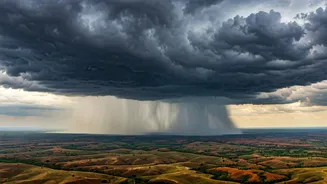
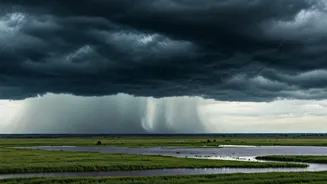
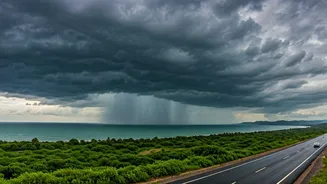
The primary cause of the current deluge is a meteorological phenomenon known as a monsoon trough. This is an elongated area of low pressure that forms as part of the larger monsoon circulation. [11, 14] When this trough is active and positioned along
the coast, it pulls in vast amounts of moisture from the Arabian Sea. As this moisture-laden air moves over the land and is lifted by the Western Ghats, it cools and condenses, resulting in intense and sustained rainfall. The current system is a classic example of this process, with strong westerly winds feeding the trough and concentrating heavy precipitation over the Konkan and Madhya Maharashtra regions. [27]
Regions Bearing the Brunt
Several districts in Central Maharashtra, particularly those in and around the Western Ghats, are experiencing very heavy rainfall. The India Meteorological Department (IMD) has issued alerts for multiple districts, including Pune, Satara, and Kolhapur. [9] Ghat areas, such as the Tamhini Ghat, are receiving intense spells of rain. [27] These regions are historically prone to heavy monsoon activity, but the current trough has amplified the intensity. For instance, on June 27, the IMD issued yellow and orange alerts for these districts, signaling the likelihood of heavy to very heavy rainfall between 64.5 mm and 115.5 mm within a 24-hour period. [9, 13]
Impact on Daily Life
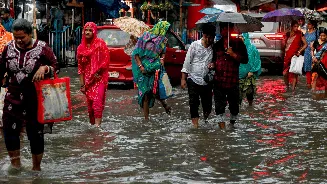
The persistent downpour has significant consequences for residents. Urban areas like Pune are facing localised waterlogging in low-lying parts, leading to traffic disruptions. [9] In the ghat sections, which are crucial transportation arteries connecting coastal and inland Maharashtra, the risk of landslides has increased. A minor landslide was recently reported in Malshej Ghat, which connects the Thane and Pune districts, temporarily affecting traffic before being cleared by disaster management teams. [10, 12, 18] Such incidents highlight the vulnerability of these routes during intense monsoon spells. Authorities have also received numerous complaints of falling trees and branches, posing a risk to property and public safety. [12, 18]
Official Alerts and Advisories
The IMD is closely monitoring the situation and issuing regular updates. As of late June, alerts have been active for several parts of the state. [25, 30] An orange alert, which calls for residents to "Be Prepared," has been issued for districts expected to receive very heavy rain. [9] A yellow alert, suggesting residents "Be Updated," is in place for areas anticipating heavy rain. [13, 32] These alerts are crucial for disaster management agencies, which have been put on high alert to respond to emergencies. [9] The IMD forecasts that rainfall activity is likely to continue over the Konkan and Madhya Maharashtra regions for several more days. [30, 31]
How to Stay Safe
During periods of heavy rainfall, it is crucial to prioritize safety. The IMD advises citizens to follow traffic advisories and avoid areas prone to waterlogging. [22] If you live in or are traveling through hilly or ghat areas, be extra cautious about the risk of landslides and mudslides. Avoid crossing streams or rivers on foot or in vehicles, as water levels can rise unexpectedly. Secure loose objects around your home that could be affected by strong winds. It is also wise to keep an emergency kit with essentials like a torch, first-aid supplies, and non-perishable food. Staying updated with the latest forecasts from the official IMD website or its mobile app is highly recommended. [22, 25]