






The Rise of the Wellness Shot
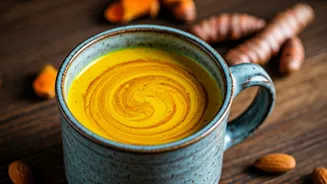
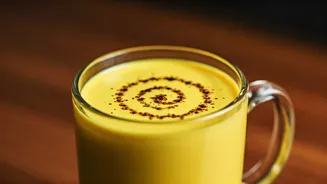
In recent years, small, potent 'wellness shots' have become a staple in the health community, touted as a quick and easy way to get a concentrated dose of nutrients. The ginger and turmeric variety is perhaps the most popular, especially as seasons change.
The appeal is obvious: a simple, natural-seeming beverage that claims to strengthen your body's defenses. Influencers often present them as a daily ritual for staying healthy, and their vibrant color makes for a visually appealing post. This has propelled the trend from health food stores into mainstream kitchens, with many people now making their own at home.
The Power of Turmeric
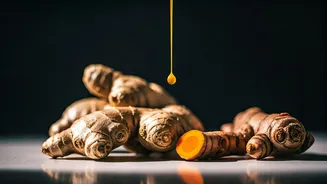
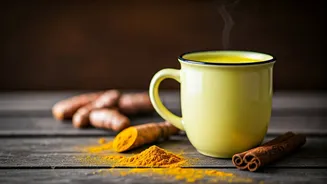
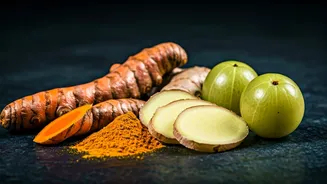
Turmeric, the golden spice that gives curry its color, contains a powerful compound called curcumin. Curcumin is celebrated for its potent anti-inflammatory and antioxidant properties. Inflammation is a normal immune response, but chronic inflammation can weaken the body over time. By reducing inflammation, curcumin may help support the immune system. However, there’s a catch: curcumin is not easily absorbed by the body on its own. This is where black pepper comes in. Piperine, a compound in black pepper, has been shown to increase curcumin's bioavailability by up to 2,000%, making it much more effective. Many wellness shots and supplements now include piperine for this reason.
Ginger's Potent Properties
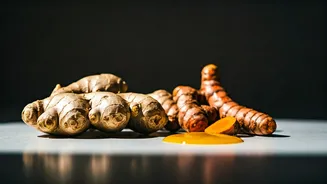
Ginger has been used in traditional medicine for centuries, and for good reason. Its main active compound, gingerol, is responsible for many of its medicinal benefits. Ginger is well-known for its ability to soothe nausea and aid digestion. Like curcumin, gingerol also has strong anti-inflammatory and antioxidant effects. Some research suggests that ginger can enhance immune response and has antiviral and antibacterial properties, which could help the body fight off infections. These properties make it a logical addition to a drink aimed at supporting immune health.
Do They Really Boost Immunity?
Here's the core question: can a shot of ginger and turmeric truly 'boost' your immune system? The term 'boosting' is somewhat misleading, as immunologists note that you wouldn't want an overactive immune system. Instead, the goal is a balanced and well-supported immune function. The ingredients in these shots can certainly contribute to that. The anti-inflammatory and antioxidant properties of both ginger and curcumin help protect cells from damage and manage inflammation, which supports overall immune health. However, there is little scientific evidence that taking them in shot form will magically prevent you from getting sick. A single shot cannot replace a holistically healthy lifestyle.
Risks and Considerations
While generally safe for most people in moderation, consuming ginger and turmeric in high doses, as one might with daily concentrated shots, can have downsides. Both ingredients can act as blood thinners, which could be risky for individuals on anticoagulant medications. They may also interact with drugs for diabetes by lowering blood sugar levels. Excessive consumption can sometimes lead to digestive issues like heartburn, stomach upset, or diarrhea. Furthermore, high levels of turmeric may increase the risk of kidney stones in susceptible individuals. As with any supplement, it's wise to consult a healthcare provider, especially if you have pre-existing conditions or are taking medication.
The Verdict: Healthy Habit or Hype?
Ginger turmeric shots are not a magic cure-all that will grant you impenetrable immunity. The idea of 'boosting' your immune system with a single drink is more marketing than science. However, the ingredients themselves possess proven health benefits. Incorporating a ginger turmeric shot can be a convenient way to get a dose of anti-inflammatory and antioxidant compounds, especially when compared to consuming the whole spices. Think of it as a potentially beneficial supplement to an already healthy lifestyle, not a replacement for one. A balanced diet, regular exercise, adequate sleep, and good hygiene remain the cornerstones of a robust immune system.