
Understanding Monsoon in Spiti
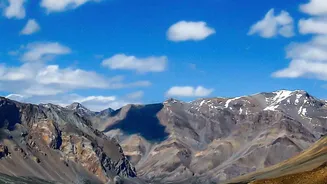
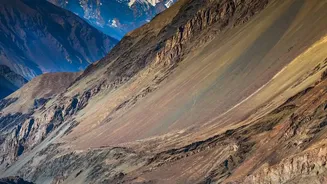
The first thing to understand is a paradox: Spiti Valley itself is a cold desert that lies in a rain-shadow region, meaning it receives very little rainfall. However, the two main arteries leading to it—the route from Shimla via Kinnaur and the one from Manali—are
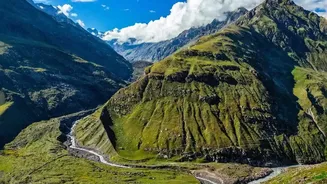
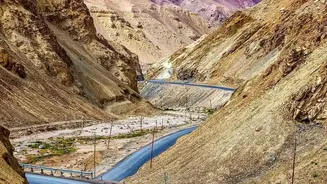
heavily impacted by the Indian monsoon. August is peak monsoon season, and while Kaza might be dry and sunny, the approach roads can face landslides, rockfalls, and roadblocks. Therefore, a monsoon trip to Spiti is less about dealing with rain in the valley and more about navigating the journey to get there safely. Flexibility is key; always add two to three buffer days to your itinerary to account for unexpected delays.
Permits: What You Really Need
There is a lot of confusion surrounding permits for Spiti Valley, so let’s clarify. For Indian citizens, no Inner Line Permit (ILP) or any special permit is required to visit the main tourist areas of Spiti Valley, including Kaza, Tabo, and Pin Valley. You should, however, carry a valid government-issued photo ID like an Aadhaar card or passport for registrations at police checkposts along the way, such as at Jangi and Sumdo. Foreign nationals, on the other hand, require a Protected Area Permit (PAP) to travel beyond certain points like Jangi in Kinnaur towards Spiti. This permit can be obtained from the District Magistrate's offices in Shimla or Reckong Peo. As of mid-2026, the application process for the PAP is still offline.
Route Alerts: Shimla vs. Manali
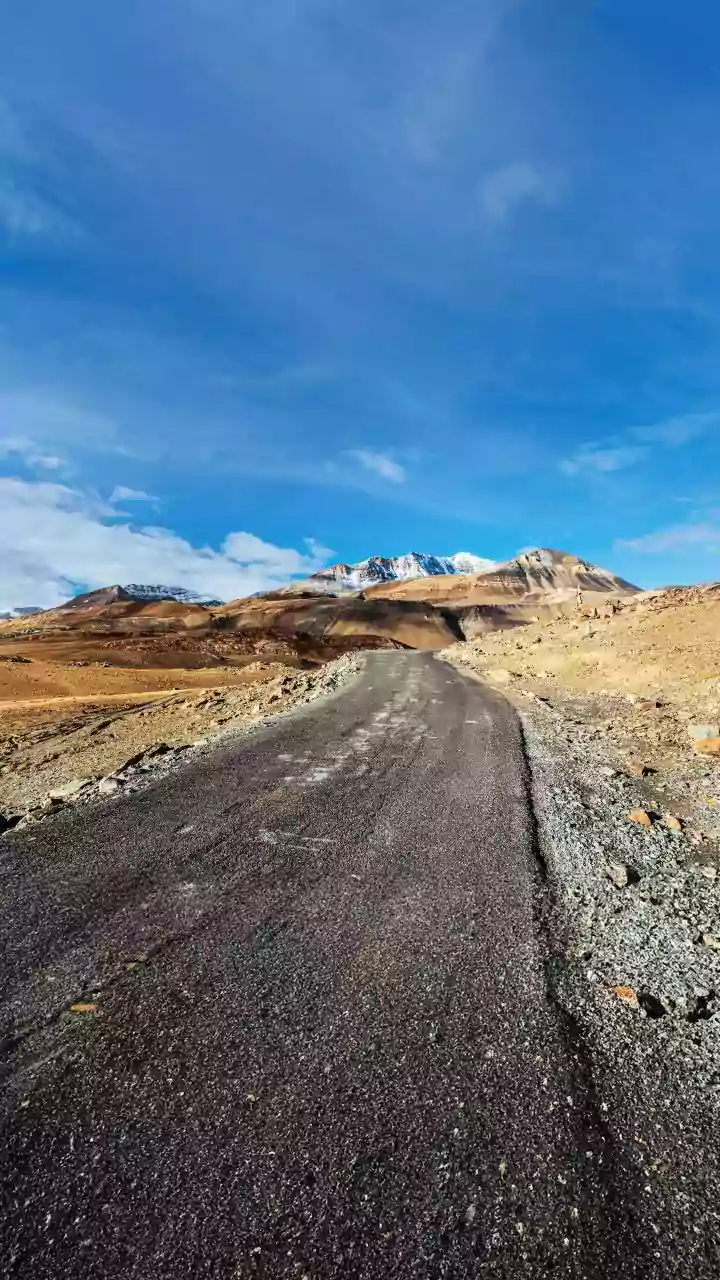
Choosing your route is a critical decision in August. The road from Shimla via Kinnaur (NH-05) is generally considered the safer and more reliable option during monsoon. It allows for gradual acclimatisation to the high altitude. However, this route is not without risks and is prone to landslides, especially in areas like Malling Nallah and the Nigulsari stretch in Kinnaur. The Manali-Kaza highway, which involves crossing the high-altitude Kunzum Pass (around 4,590 metres), is a rougher and more challenging route. While the pass was reported open as of late July 2026, this road features severe water crossings that swell in the afternoon and can be unpredictable. The consensus for August travel is to enter from Shimla and only consider exiting via Manali if you have confirmed on the day of travel that the Kunzum Pass route is clear and safe.
Your Monsoon Packing Checklist
Packing for Spiti in August requires a focus on waterproofing and layering. While the valley may be dry, the journey there won't be. Pack a high-quality waterproof and windproof jacket. Instead of heavy woollens, opt for multiple warm layers (thermals, fleece jackets) that you can add or remove as temperatures fluctuate from 5°C at night to 25°C during the day. Waterproof hiking shoes with good grip are non-negotiable. Carry extra pairs of socks and quick-drying clothes. To protect your gear, use waterproof bags or liners inside your main luggage for electronics and important documents. A basic first-aid kit, sunscreen, lip balm, and any prescribed medications for altitude sickness are also essential. Finally, since network connectivity is poor (only BSNL works reliably in most areas), download offline maps before you start.
Emergency Contacts to Save Now
Before you lose mobile network, save these crucial numbers. In case of any emergency, they can be a lifeline. The statewide disaster management toll-free number is 1077, and the general emergency number is 112. For district-specific issues, the Lahaul and Spiti District Disaster Management Authority can be reached at 1077 or 01900-202509. The police station in Kaza can be contacted at 01906-222253. It's also wise to save the number for the District Emergency Operations Centre in Kinnaur (01786-223151) as you will be passing through that district. Keep these numbers written down in a notebook as a backup in case your phone battery dies.