


The Freedom of the Open Road
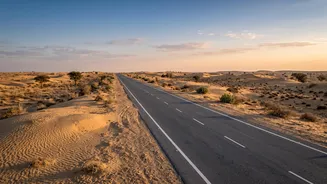
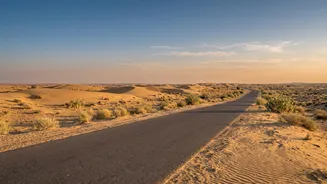
To truly experience Rajasthan, one must trade the fixed schedules of trains and planes for the spontaneity of a car. The roughly 560-kilometre journey from Jaipur to Jaisalmer is more than just a commute; it is an adventure waiting to unfold. Driving
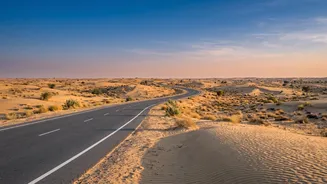
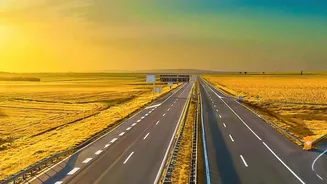
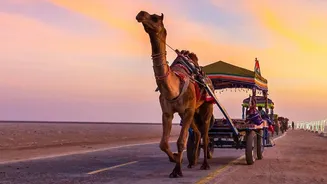
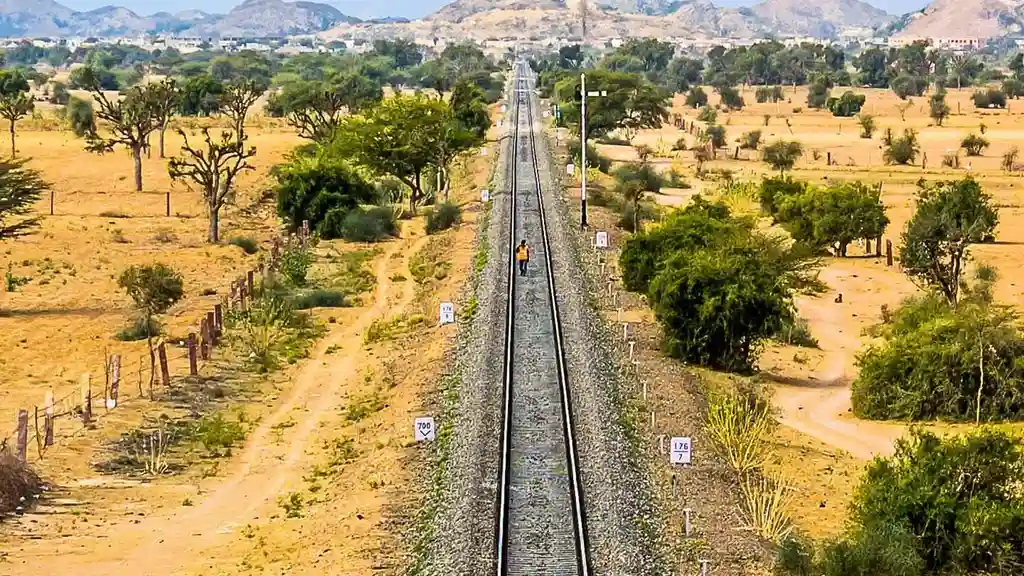
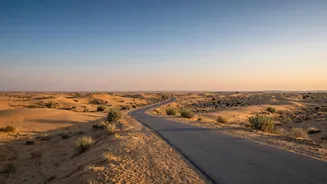
allows you the freedom to stop at a roadside temple, follow a sign to a little-known heritage site, or simply pull over to watch a herd of camels silhouetted against the setting sun. This mode of travel transforms the vast, arid landscape from a mere backdrop into the main attraction. The route, primarily along well-maintained national highways, transitions from the bustling outskirts of Jaipur to the quiet, expansive stretches of the Thar Desert. This gradual change is a spectacle in itself, something you can only appreciate when you are in control of the pace.
Shekhawati: The Open-Air Art Gallery
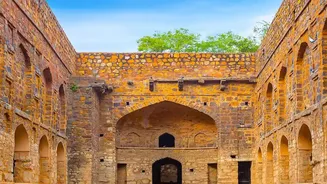
Instead of taking the most direct route, a slight detour north from Jaipur leads to the Shekhawati region, often called the world's largest open-air art gallery. Towns like Mandawa, Nawalgarh, and Fatehpur are dotted with magnificent havelis (traditional mansions) covered in intricate frescoes. Built by wealthy merchants in the 18th and 19th centuries, these buildings feature vibrant paintings depicting mythology, daily life, and even early European influences like steam trains and gramophones. Many havelis are locked or have caretakers who might allow a peek inside for a small fee, making each discovery feel personal and exclusive. Exploring these semi-deserted towns, with their painted walls and quiet courtyards, feels like stepping into a forgotten chapter of Marwari history.
Osian: An Ancient Oasis Town
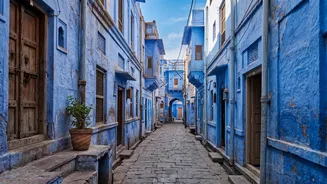
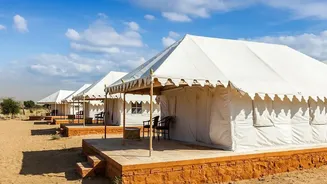
As you drive further west, breaking the journey in or near Jodhpur is a popular choice. Just 65 kilometres from the Blue City lies Osian, an ancient town often called the 'Khajuraho of Rajasthan'. This desert oasis is home to a cluster of stunningly preserved 8th to 12th-century Hindu and Jain temples, showcasing exquisite carvings that have withstood the test of time. A visit to the Sachiya Mata Temple, perched on a hill, offers panoramic views of the surrounding desert. Osian provides a more tranquil desert experience than Jaisalmer, with opportunities for camel safaris on less-crowded dunes and overnight stays in desert camps where you can enjoy folk music under a star-filled sky.
Khuri and the Bishnoi Villages: A Glimpse into Desert Life
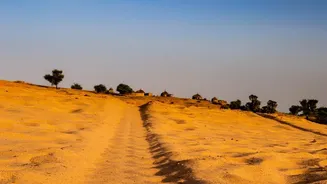
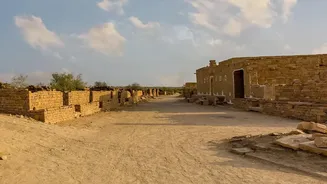
The final stretch towards Jaisalmer brings you deeper into the Thar Desert, where life is shaped by tradition and resilience. About 50 kilometres south of Jaisalmer is Khuri, a village that offers a more authentic and peaceful desert experience than the commercialised Sam Sand Dunes. Here, you can stay in traditional mud huts, enjoy a camel ride across serene dunes, and witness the simple, unhurried pace of village life. Nearby, you can also explore the Bishnoi villages. The Bishnoi community is renowned for its deep-rooted conservationist beliefs, living in harmony with nature and protecting wildlife like the blackbuck antelope. A safari through these areas is a powerful lesson in sustainable living, where you can see wildlife roaming freely near homes and interact with artisans who have preserved their crafts for generations.
Planning Your Rajasthan Road Trip
The best time for this road trip is between October and March, when the weather is pleasant and ideal for driving and sightseeing. While self-driving is an option for the adventurous, hiring a car with a local driver is highly recommended. A knowledgeable driver can navigate the roads safely, suggest the best spots for authentic meals, and act as an informal guide, sharing stories and insights you would otherwise miss. The entire journey can be comfortably covered in two to three days, allowing for an overnight stop in a place like Jodhpur or a heritage property in a smaller town like Dechu. This pacing ensures the drive remains a pleasure, not a race, leaving you with memories of the Rajasthan that lies between the headlines.