






How Pollution Harms Your Hair
Before we get to the remedies, it's important to understand the enemy. Airborne pollutants, like particulate matter (PM), dust, and smoke, cling to your hair and scalp. These particles can clog hair follicles, trigger inflammation, and cause oxidative
stress—a process that weakens the hair's protein structure. This leads to a host of problems including dryness, brittleness, an itchy scalp, increased hair fall, and even premature greying. Essentially, pollution strips your hair of its natural lipids and moisture, leaving it vulnerable and lifeless.
Recipe 1: The Antioxidant Shield - Amla & Coconut Oil
This classic combination is a powerhouse against pollution-induced damage. Amla, or Indian gooseberry, is incredibly rich in Vitamin C, a potent antioxidant that helps neutralize the harmful free radicals generated by pollutants. Coconut oil is a brilliant carrier that not only nourishes but also forms a protective barrier over the hair shaft, reducing the ability of pollutant particles to adhere to your strands.To make it, gently heat 200ml of pure coconut oil. Add two tablespoons of amla powder or a few pieces of dried amla. Let it simmer on a very low flame for 10-15 minutes until the oil darkens slightly. Allow it to cool completely, then strain it into a glass bottle. This oil strengthens hair from the roots and helps maintain scalp health.
Recipe 2: The Scalp Soother - Neem & Sesame Oil
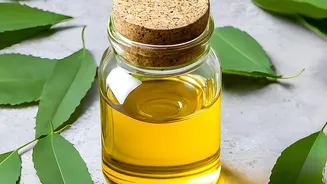
Pollution doesn't just damage the hair strands; it severely impacts scalp health, leading to irritation, dandruff, and infections. Neem is nature's answer to this problem. Revered in Ayurveda for its potent antibacterial and antifungal properties, neem helps cleanse the scalp and soothe inflammation. Sesame oil, a traditional base for many Ayurvedic oils, is deeply nourishing and helps improve blood circulation in the scalp.For this blend, take a handful of fresh or dried neem leaves and gently heat them with 150ml of sesame or coconut oil until the leaves turn crisp and the oil becomes fragrant. You can also use one tablespoon of pure, cold-pressed neem oil mixed with three tablespoons of a carrier oil like sesame or almond. This combination works to keep the scalp clean and balanced, creating a healthy environment for hair growth.
Recipe 3: The Moisture Lock - Hibiscus & Almond Oil
One of the first signs of pollution damage is extreme dryness and a loss of shine. Hibiscus flowers and leaves are rich in amino acids and a natural emollient called mucilage, which acts as a fantastic natural conditioner. It helps replenish lost moisture and seal the hair cuticle, restoring smoothness and preventing breakage. Almond oil, packed with Vitamin E, works to repair the hair shaft and adds a healthy lustre.To prepare, take 8-10 fresh or dried hibiscus flowers and a handful of leaves. Gently warm them in 200ml of almond oil on a low flame for about 10 minutes. Don't let the flowers burn. Once cooled, strain the oil. This infusion is excellent for reviving dull, brittle hair and protecting it from becoming dehydrated due to environmental stressors.
Application for Maximum Protection
How you apply the oil is just as important as the recipe itself. For best results, warm the oil slightly before use to help it penetrate better. Part your hair and apply the oil directly to the scalp, massaging gently with your fingertips in a circular motion for 5-10 minutes to boost circulation. Then, work the remaining oil through the lengths and ends of your hair, which are most exposed to environmental damage. Leave the oil on for at least an hour, or overnight for a deep conditioning treatment, before washing it off with a mild, sulphate-free shampoo. Oiling your hair 1-2 times a week provides a consistent protective layer.