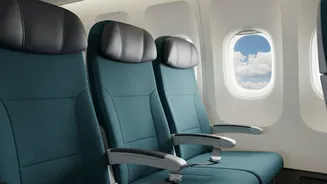







The Unmatched Freedom of the Aisle
The primary benefit of an aisle seat is unparalleled freedom. You can get up to stretch your legs, visit the lavatory, or access the overhead bin without disturbing your seatmates. This is particularly valuable on long-haul flights, where staying mobile
can help reduce stiffness and the risk of deep vein thrombosis (DVT). For travellers who feel claustrophobic, the openness of an aisle seat can also make the journey more comfortable and less confining. Furthermore, when the plane lands, being in an aisle seat often allows for a quicker exit, which is a significant plus if you have a tight connecting flight or are simply eager to reach your destination.
Who Benefits Most from an Aisle Seat?
Certain travellers find the aisle seat to be more than a preference; it's a necessity. This includes passengers with medical conditions that require frequent movement or trips to the restroom. It is also the seat of choice for many tall passengers who appreciate the ability to stretch a leg into the aisle periodically. Parents travelling with young children often prefer the aisle for easier access to supplies and for walking a restless toddler. Business travellers also frequently opt for the aisle due to the quick deplaning it allows, which is crucial when on a tight schedule.
A Strategic Guide to Securing Your Seat
Aisle seats are in high demand, so a strategic approach is needed to secure one. The most effective method is to book your flight as early as possible and select your seat immediately. Many airlines now charge for seat selection, and paying the extra fee can be a worthwhile investment for the comfort it provides. Utilize airline apps and websites to check in exactly 24 hours before your flight, as more seats often become available then. If you have elite status with an airline, you'll have a better selection of complimentary seats, including those in the aisle. Don't overlook the power of simply asking; if you can't book an aisle seat online, speak to the agent at the check-in counter or the gate.
For Travellers with Specific Needs
Airlines are required to provide certain seating accommodations for passengers with disabilities. If you have a medical condition that necessitates an aisle seat, it's important to inform the airline when you book. They are obligated to assist, which may include providing a moveable aisle armrest or ensuring you have the seat that best accommodates your needs. It's always best to communicate your requirements well in advance and follow up a few days before your flight to confirm arrangements. While they are not required to upgrade you to a different class of service, they must make reasonable efforts to accommodate you in the cabin you've booked.
The Not-So-Hidden Downsides
While the aisle seat has many perks, it's not without its drawbacks. You will be the one getting up every time your neighbours need to leave their seats. Your personal space is more exposed to foot traffic in the aisle, meaning you might get bumped by other passengers or the service cart. You also lose out on a place to lean your head to sleep and, of course, the views that a window seat provides. Additionally, some studies suggest that aisle seats may have increased exposure to germs due to more contact with people moving through the cabin.