






A Silent, Accelerating Threat
Monuments that have withstood centuries of conflict, change, and natural wear are now facing a new, more insidious enemy. Climate change isn't a sudden catastrophe; it’s a quiet accelerator of decay. Unlike a war or an earthquake, its effects are gradual
and cumulative. Rising temperatures, extreme weather, and changing atmospheric conditions are creating a cocktail of threats that conservationists are racing to understand and combat. Across India, from the Himalayas to the coasts, this global crisis is manifesting as a direct threat to our shared cultural identity, a legacy carved in stone but vulnerable to the air and water around it.
The Menace of Water and Salt
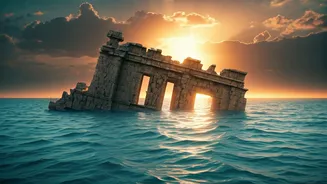
Water, in its various forms, is becoming a primary agent of destruction. More frequent and intense rainfall leads to water seeping into the porous materials of old structures. In colder regions, this leads to devastating freeze-thaw cycles, where water expands as it freezes, creating micro-cracks that grow over time. For India's vast coastline, the threat is even more pronounced. Rising sea levels and coastal erosion directly endanger landmarks like the Elephanta Caves near Mumbai and the Shore Temple in Tamil Nadu. Saltwater intrusion from rising seas and storm surges can accelerate the corrosion of stone and metal, essentially eating away at the foundations of these irreplaceable sites. In 2024, Cyclone Dana forced advisories for the Jagannath temple in Odisha, a stark reminder of the vulnerability of coastal heritage.
Damage From Heat, Dust, and Pollution
The iconic white marble of the Taj Mahal has been fighting a long battle against yellowing, a visible symptom of pollution. Air pollutants like sulfur and nitrogen dioxide, often originating from industry and traffic, mix with moisture to create acid rain. This acidic precipitation chemically reacts with materials like marble and limestone, causing discoloration and slowly dissolving the stone itself. At the same time, rising global temperatures create thermal stress. The constant expansion and contraction of stone due to more frequent and extreme heatwaves leads to structural weakening and cracks. This has been a concern for the Taj Mahal, which reported cracks after heavy rainfall in recent years, and at the Red Fort in Delhi, where soot and pollution deposits are a visible and damaging reality.
The Fury of Extreme Weather
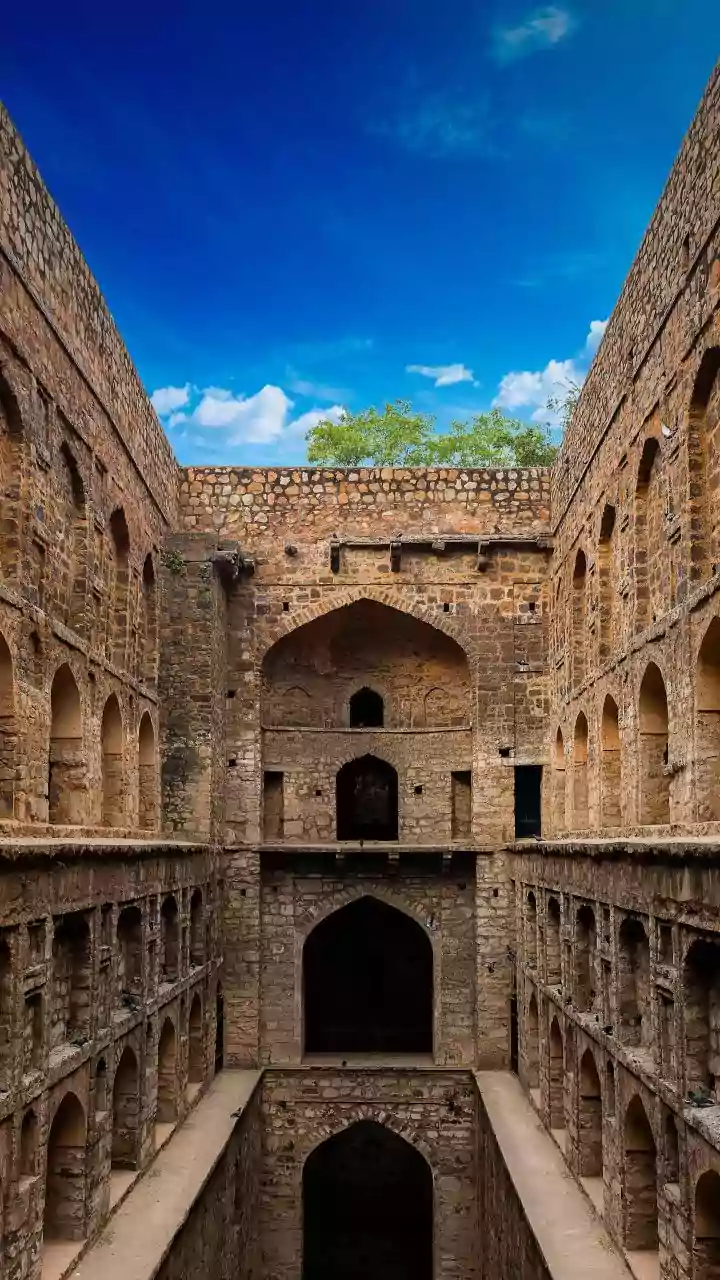
Climate change is also supercharging weather events. Cyclones, floods, and droughts are becoming more frequent and severe, with immediate and devastating consequences for heritage sites. In recent years, India has seen numerous examples of this destructive power. In 2023, a portion of the 600-year-old Nalagarh Fort in Himachal Pradesh collapsed after heavy rainfall. A year later, the 12th-century Sonar Fort in Jaisalmer, a UNESCO World Heritage site, saw a wall collapse due to unusually heavy rains in a desert region. These events are no longer anomalies; they are part of a dangerous new pattern where ancient structures, designed for a different climate, are unable to withstand modern meteorological extremes.
A Global Race Against Time
The challenge is immense, but it is not going unnoticed. Organizations like UNESCO and the Archaeological Survey of India (ASI) are acutely aware of the risks. Efforts are underway to protect these sites, ranging from installing early warning systems for extreme weather to undertaking complex chemical treatments to protect surfaces from pollutants. In some cases, thousands of trees have been planted around sites like Humayun's Tomb to create pollution-reducing microclimates. However, conservationists warn that these are often localized solutions to a global problem. Without broader action on climate change, they are merely buying time. Protecting our monuments now requires more than just careful maintenance; it requires a commitment to safeguarding the environment that holds them.