


Start with Monsoon-Loving Herbs
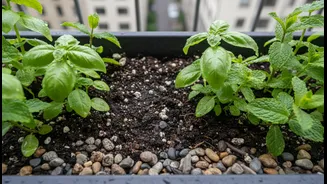
There's nothing quite like plucking fresh herbs for your morning chai or evening meal. The rainy season is ideal for growing a variety of herbs that thrive in humidity. Mint (pudina), holy basil (tulsi), and lemongrass are fantastic choices for beginners.
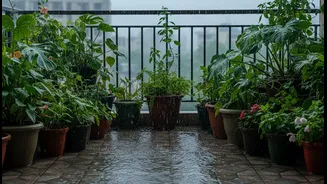
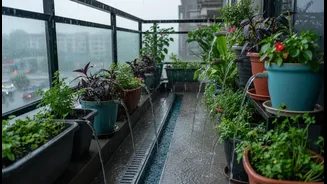
They grow vigorously in pots and don't require constant, direct sunlight. Mint, in particular, is famously easy to grow and can quickly fill a pot, giving you a steady supply. Tulsi is not only revered but also known for its immunity-boosting properties, making it a useful plant to have around during the damp monsoon months. For a successful herb garden, ensure your pots have good drainage to prevent waterlogging from the frequent rains.
Embrace Colour with Hardy Flowering Plants
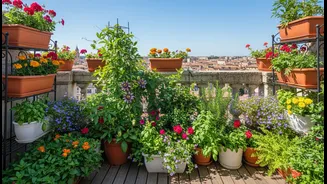
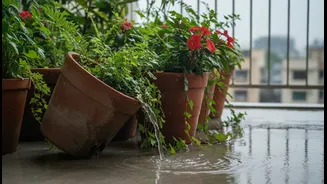
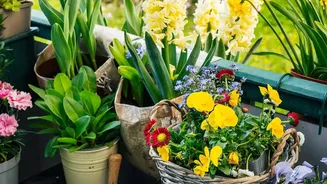
Brightening up a grey, rainy day is easy with a splash of colour. Many flowering plants absolutely flourish during the Indian monsoon. Species like balsam (gul mehndi), hibiscus, jasmine (mogra), and periwinkle (sadabahar) are excellent choices that perform well in high humidity. Balsam is a classic monsoon annual that grows quickly from seed, while the scent of jasmine can transform your balcony into a fragrant retreat on a damp evening. These plants not only add aesthetic appeal but also attract pollinators like butterflies, bringing more life to your urban space. Marigolds are another great option as they are easy to grow and can help repel common garden pests naturally.
Grow Quick-Yielding Vegetables
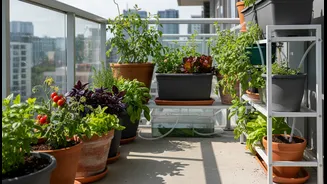
The satisfaction of harvesting your own food is immense, and you don't need a large plot of land to do it. Many vegetables are perfectly suited for container gardening on a balcony. During the monsoon, you can easily grow leafy greens like spinach (palak), as well as chillies, and certain varieties of gourds. These plants benefit from the consistent moisture the season provides. Growing your own vegetables not only gives you access to fresh, organic produce but also helps reduce food miles and connects you more deeply with what you eat. It's a small but significant step towards a more sustainable urban lifestyle.
Go Vertical in Small Spaces
Lack of floor space is a common challenge for city gardeners, but it shouldn't stop you. Vertical gardening is a smart solution that utilizes wall space. You can use wall-mounted planters, tiered shelves, or even repurposed items like old ladders to stack your pots. This method is perfect for growing smaller plants like herbs, succulents that are shielded from direct rain, and trailing plants like the spider plant, which produces offshoots that can be easily potted. Hanging baskets are another space-saving idea, ideal for flowering plants like petunias or periwinkle, creating a cascade of colour that adds dimension and beauty to your balcony.
Master Monsoon-Specific Care
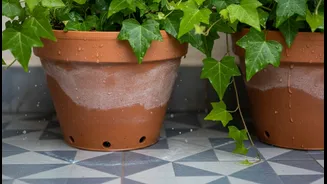
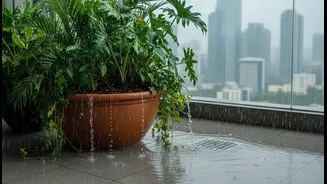
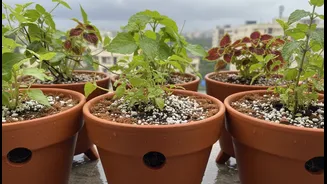
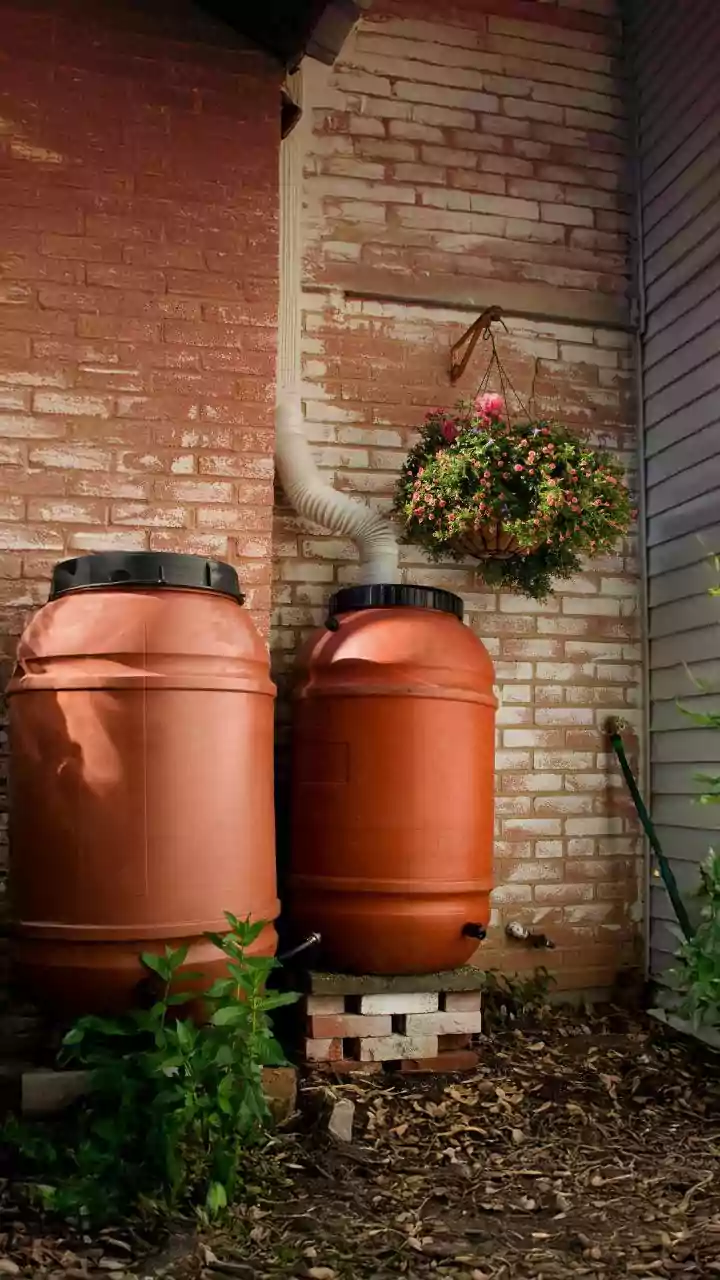
While the monsoon provides ample water, it also brings the risk of overwatering, which can lead to root rot. This is the number one challenge for balcony gardeners during this season. The key to success is ensuring excellent drainage. Check that every pot has drainage holes at the bottom. It's also wise to place pots on small stands or bricks to allow excess water to escape freely. Get into the habit of checking the soil with your finger before watering; if the top inch is still damp, hold off. Furthermore, high humidity can encourage fungal growth, so ensure good air circulation between your plants and consider a preventative spray of neem oil, a natural fungicide.
Create a Personal Green Sanctuary
Beyond the plants themselves, a balcony garden is an opportunity to create a personal retreat from the hustle and bustle of city life. It's a space that can improve mental well-being and provide a daily connection to nature. Consider adding a small chair or a stool, some weather-resistant string lights, or wind chimes to make the space more inviting. Even a few minutes spent each day tending to your plants—watering, pruning, or simply observing their growth—can be a meditative and rewarding practice. This small green corner can improve air quality, reduce the urban heat island effect locally, and become your favourite spot to enjoy the season.