
Ilulissat: The City of Icebergs
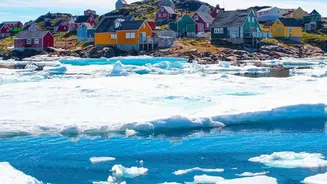
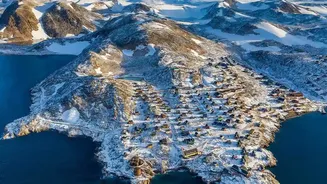
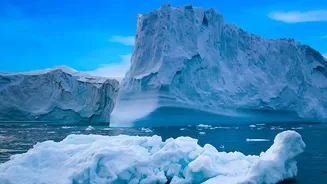
Ilulissat, Greenland's third-largest town, is an essential stop for any traveller. Its name means 'icebergs' in Greenlandic, and it lives up to it spectacularly. The town is situated next to the UNESCO World Heritage-listed Ilulissat Icefjord, which is filled
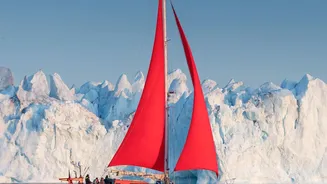
with colossal icebergs calved from the Sermeq Kujalleq glacier, one of the most active glaciers in the world. The sight of these giants floating majestically in Disko Bay is a core Greenlandic experience. Visitors can take boat tours to get up close to the icebergs, hike along boardwalks to stunning viewpoints over the fjord, or even take a scenic flight for a truly epic perspective. The town itself is a vibrant hub with excellent restaurants and cultural activities. From May to July, the midnight sun bathes the ice in a perpetual golden glow, while winter brings the chance to witness the magical northern lights.
Qaqortoq: The Artistic Heart of the South
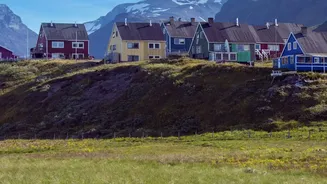
Qaqortoq, the largest town in South Greenland, is a splash of colour against a backdrop of green hills and blue fjords. It is often called an open-air museum due to its 'Stone and Man' project, a collection of over 40 sculptures carved into the town's granite bedrock by various artists. With a population of just over 3,000, it has a welcoming, small-town feel. The town square features the country's only fountain and is a lively gathering place for locals. From Qaqortoq, you can embark on excursions to nearby Norse ruins, such as the well-preserved Hvalsey Church, or take a boat trip to the Uunartoq hot springs, where you can bathe in naturally warm waters while icebergs float by in the distance. The surrounding area offers fantastic hiking opportunities through sheep-farming valleys and past serene lakes.
Tasiilaq: Gateway to Wild East Greenland
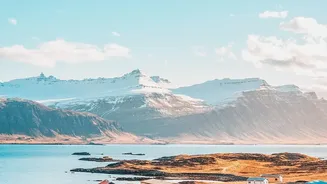
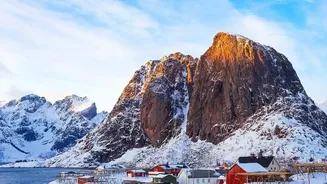
For those seeking raw, untamed wilderness, Tasiilaq is the perfect base. As the largest town on Greenland’s remote east coast, it’s surrounded by jagged mountains and deep fjords. Life here feels worlds away from the west coast, with a distinct local dialect and strong ties to hunting traditions. The town itself is a picturesque collection of colourful houses built on steep hillsides overlooking King Oscar Fjord. Adventure is the main draw, with opportunities for heli-skiing, dog sledding, glacier hiking, and kayaking among icebergs. A popular excursion is a hike into the beautiful 'Flower Valley' just outside of town. Due to its isolation, Tasiilaq offers a profound sense of being at the edge of the world, making it an unforgettable destination for the intrepid traveller.
Kulusuk: A Glimpse into Tradition
A short flight from Iceland, the small village of Kulusuk serves as the gateway to East Greenland. With a population of fewer than 300 people, it offers an authentic look at traditional Greenlandic life, where hunting and fishing remain central to survival. Visitors are often welcomed by the sight of sled dogs and locals who are proud of their heritage. The village is known for its talented artisans who carve intricate figures called 'tupilaks' from bone or tusk. Despite its small size, Kulusuk provides ample adventure. In winter, you can experience dog sledding across frozen fjords or chase the northern lights. In summer, hiking and boat tours to nearby glaciers and icebergs are popular activities. The combination of living culture and stunning natural beauty makes Kulusuk a truly special place.
Ittoqqortoormiit: The Remote Frontier
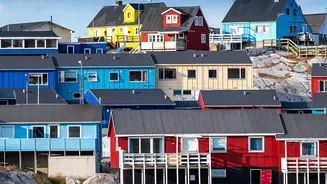
If true isolation is what you seek, look no further than Ittoqqortoormiit. Located on the central east coast, it is one of the most remote settlements in the world. Home to about 324 residents, the village guards the entrance to Scoresby Sound, the world's largest fjord system. Life here is dictated by the seasons, with the sea being frozen for around nine months of the year. The brightly painted houses provide a cheerful contrast to the vast, icy landscape. The primary activities for visitors revolve around expeditions into the fjord system, where you can spot polar bears, walruses, and musk oxen. Dog sledding and hunting are integral parts of the local culture. A visit to Ittoqqortoormiit is not just a trip, but an expedition to a place where nature reigns supreme and human resilience is on full display.