
A Divine Origin Story
The story of the peda is deeply intertwined with Mathura's identity as the birthplace of Lord Krishna. The region, known as Braj, has a rich pastoral heritage, with milk and dairy products forming the core of its culture and cuisine. Legend suggests that
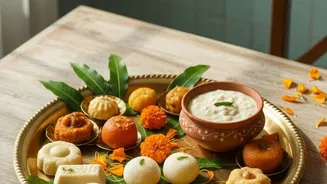
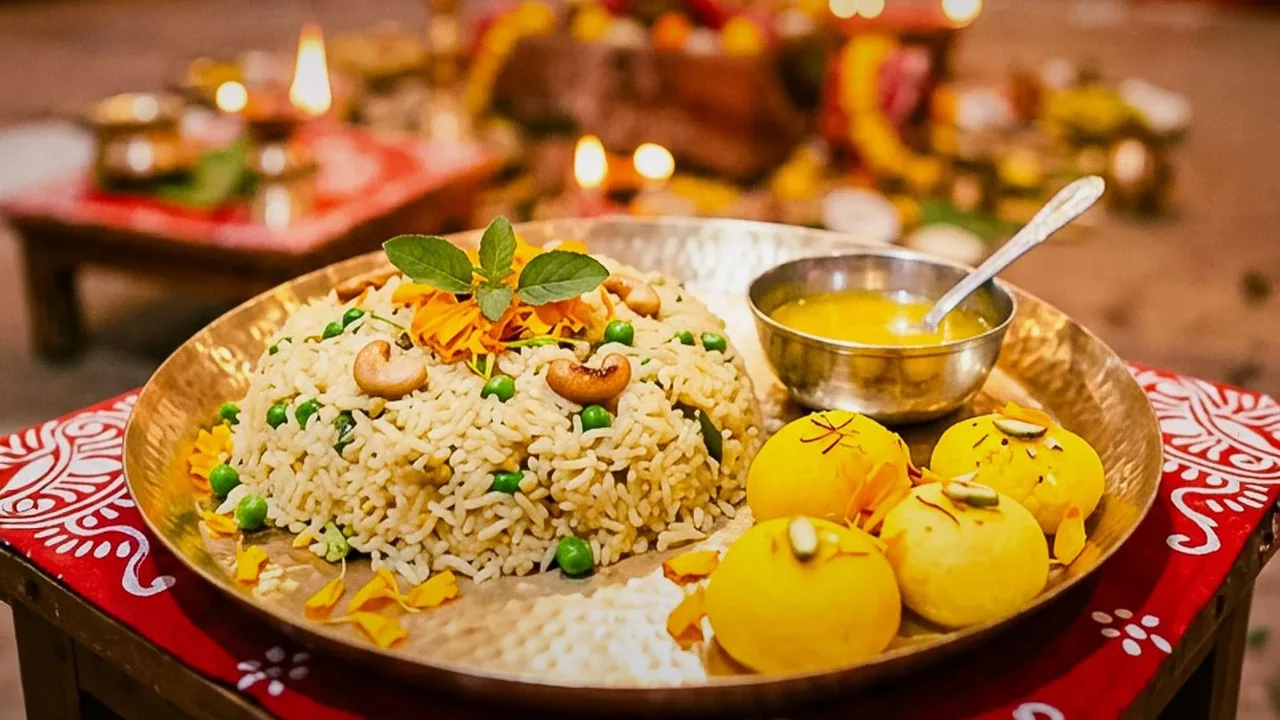
milk-based sweets have been made here for centuries. The peda's most important role is as 'prasad'—a sacred food offered to a deity and then shared among devotees. In the countless temples of Mathura, offering and receiving peda is an act of devotion, connecting the faithful to Krishna, who is famously associated with a love for milk and butter. This spiritual significance elevates the peda from a mere confection to a carrier of divine grace.
What Makes Mathura's Peda Unique?
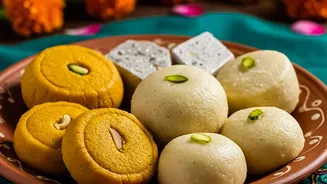
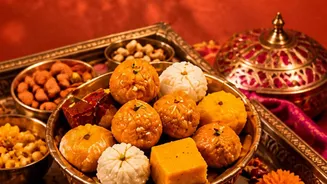
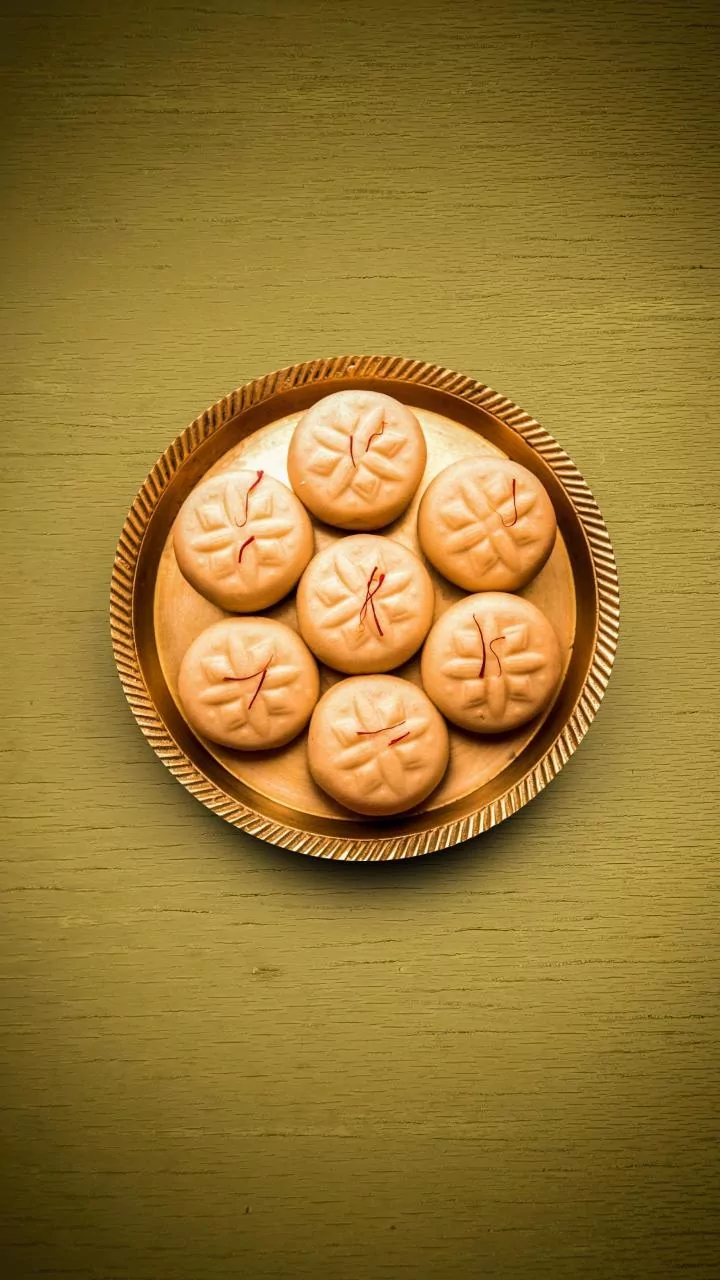
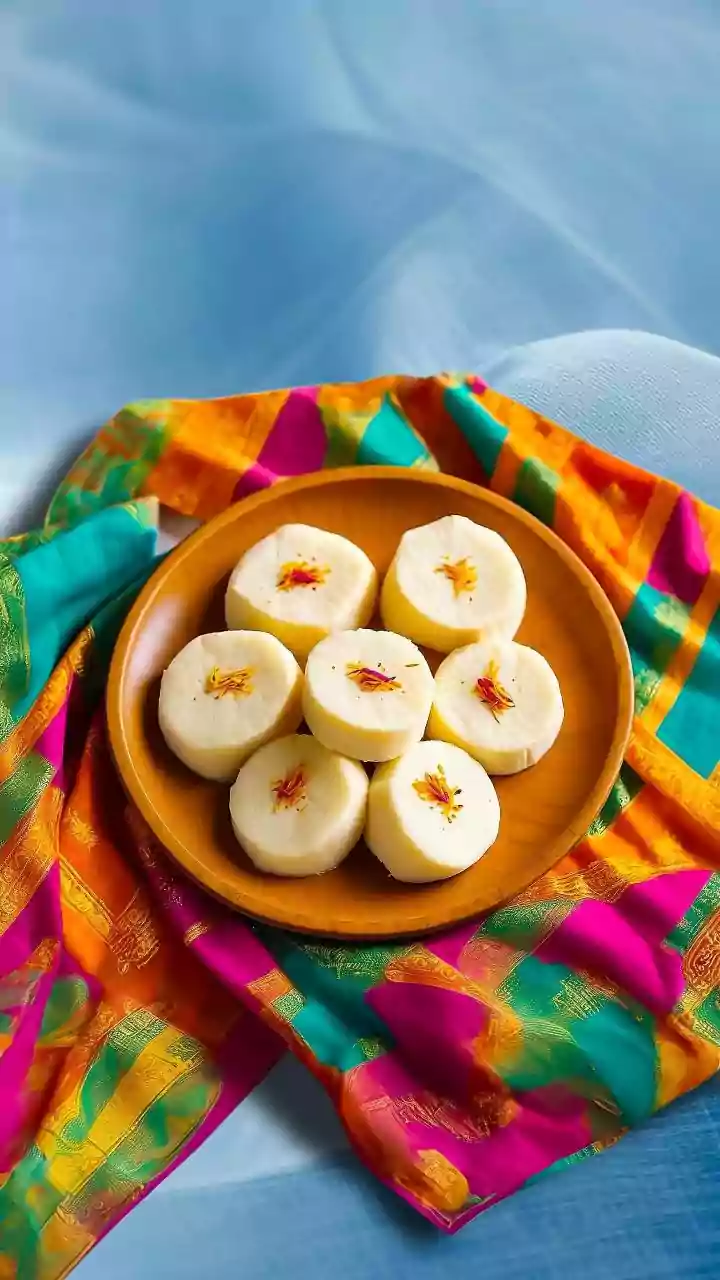
While peda is made across India, the Mathura version is distinct. Its uniqueness comes from a specific, patient process. It all starts with khoya (also called mawa), which is made by slowly simmering milk for hours until only the milk solids remain. For Mathura peda, this khoya is then roasted, often with ghee, until it turns a characteristic golden brown colour. This roasting process develops a deep, caramelised flavour and a slightly grainy texture that sets it apart from paler, softer varieties found elsewhere. Finally, sugar—traditionally a special type called 'tagar' or 'bura'—and aromatic cardamom are mixed in before the sweets are shaped by hand.
From Sacred Offering to a City's Signature
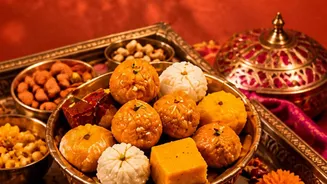
The peda's journey from a temple prasad to a city-wide industry is a testament to its universal appeal. Millions of pilgrims visiting Mathura's holy sites purchase peda as a spiritual souvenir to take back home, spreading its fame far and wide. Over time, this practice transformed the sweet into a recognizable symbol of the entire Braj region. 'Mathura ka peda' is now a fixed phrase, almost a brand name, that appears in folklore and songs, signifying authenticity and tradition. This has given rise to a thriving local industry, with generations of sweet makers, or 'halwais', dedicating their lives to perfecting this craft, providing employment and defining the city's economic identity.
The Living Tradition of Peda Makers
Walk through the bustling streets near Mathura's temples and you will find countless sweet shops, some of which have been in business for decades, even over a century. Names like Brijwasi have become institutions, while smaller, older counters guard family recipes passed down through generations. These artisans make peda fresh, often twice a day, ensuring what is sold is of the highest quality. The knowledge of how to perfectly roast the khoya, the right amount of sugar to add, and the technique for shaping the discs are skills honed over a lifetime. This human element, this dedication to a traditional process, is the final, essential ingredient that industrial production cannot replicate.