




Beyond the Beaten Path
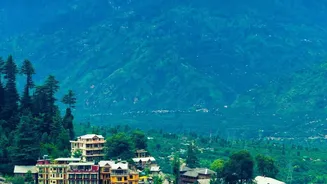
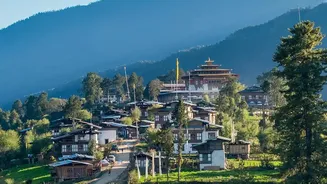
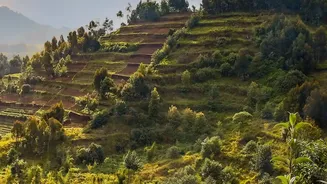
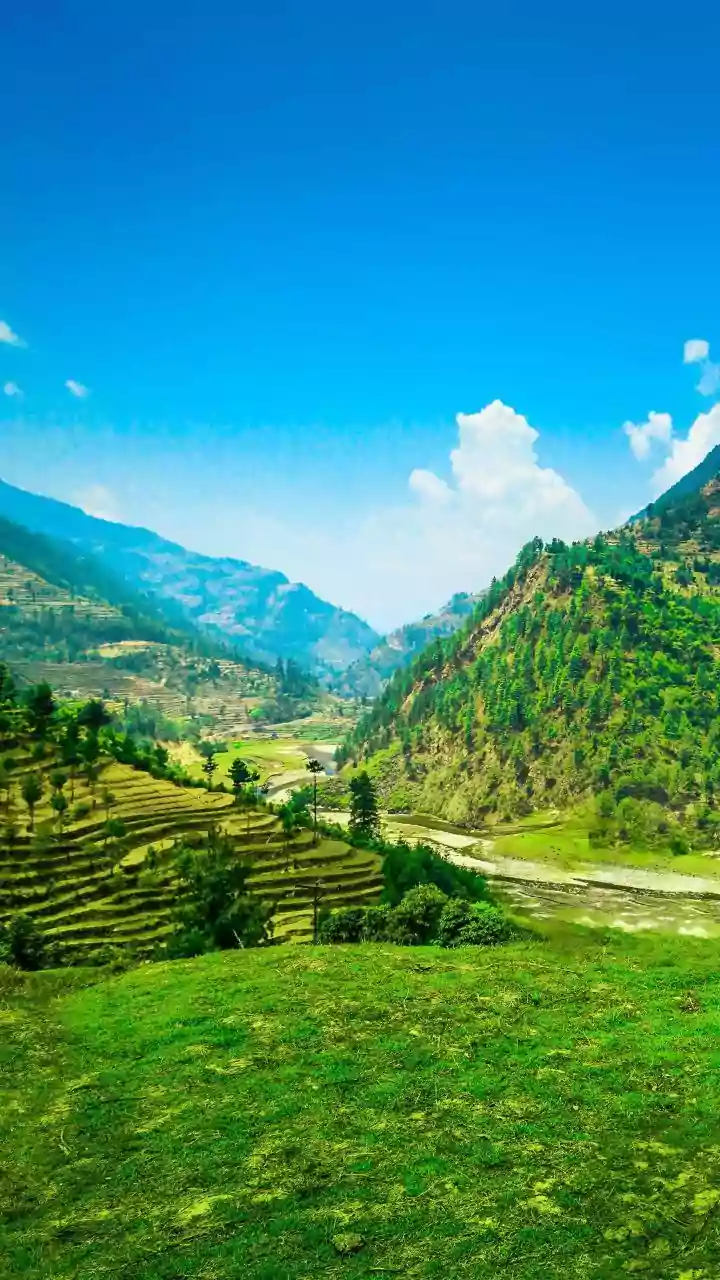
For decades, tourism in Uttarakhand often meant crowded pilgrimages or a frantic rush to popular hill stations. But a change is taking root. A growing number of travellers, weary of commercialised experiences, are seeking a deeper connection with nature
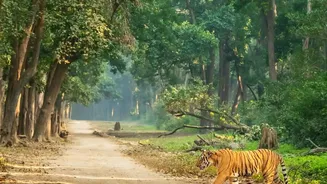
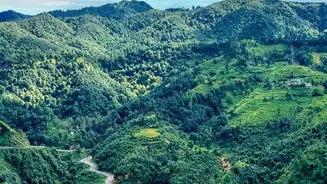
and culture. They are venturing into the buffer zones of iconic parks like Jim Corbett and Rajaji Tiger Reserve, exploring forest villages that were once just dots on a map. This shift is not just about finding new places; it is about finding a new way to travel—one that is slower, more mindful, and leaves a positive footprint.
The Rise of Community-Led Tourism
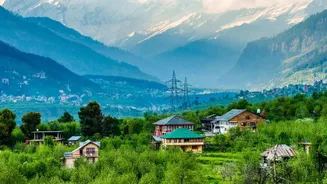
At the heart of this trend is community-based tourism, a model where local residents own and manage the tourism enterprises. Instead of staying in anonymous hotels, visitors live in homestays—actual homes where they can share meals and stories with a local family. They are guided on forest walks by people who have known the trails their entire lives and learn about the region's rich biodiversity firsthand. This model, actively promoted by the Uttarakhand government and various organisations, aims to provide travellers with authentic experiences while ensuring that the economic benefits flow directly into the community.
A Lifeline for Forest Villages
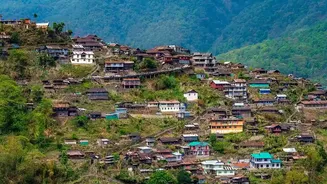
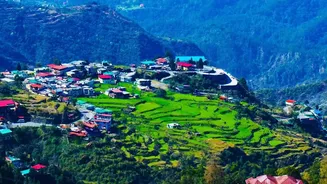
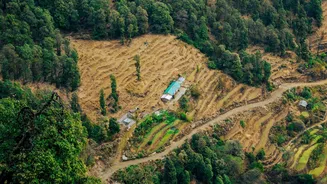
For many remote villages in Uttarakhand, this new form of tourism is more than just a business opportunity; it is a lifeline. Traditionally dependent on agriculture and forest resources, these communities have faced challenges like out-migration as younger generations leave for cities in search of work. Community-based tourism offers a powerful incentive to stay. It creates sustainable livelihoods, particularly for women, who are often at the forefront of running homestays and managing hospitality. By generating income locally, it helps reduce dependence on often unsustainable resource extraction and strengthens the rural economy.
Guardians of the Green
Perhaps the most significant impact of this model is on conservation. When local communities benefit directly from tourism, they become the most passionate protectors of their natural heritage. The forest is no longer just a source of firewood or fodder; it is a vital asset that attracts the visitors who support their livelihoods. This creates a virtuous cycle: travellers seeking pristine nature provide the funds and motivation for communities to engage in conservation, from preventing poaching to participating in reforestation projects. Eco-development committees, often comprising villagers and forest department officials, help formalise this partnership, ensuring that tourism and conservation go hand in hand.
How to Be a Conscious Traveller
Participating in this movement is simple. When planning a trip to Uttarakhand, look for government-approved homestays or initiatives certified by reputable eco-tourism organisations. Villages like Sarmoli, Harsil, and those in the buffer zones of the state’s tiger reserves offer incredible experiences. Opt for local guides, buy locally made handicrafts, and be respectful of local customs. By choosing to travel this way, you are not just a tourist; you are an active participant in a sustainable future, one that supports communities, preserves cultures, and protects the stunning natural beauty of the Himalayas for generations to come.