




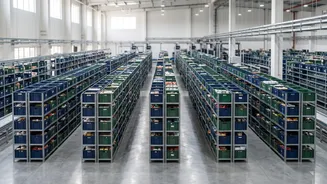
What is a Dark Store?
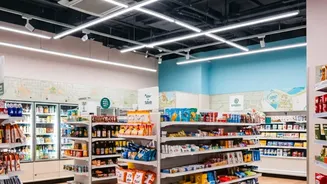
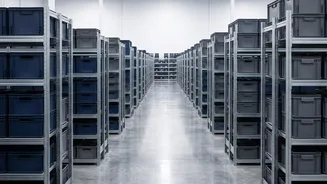
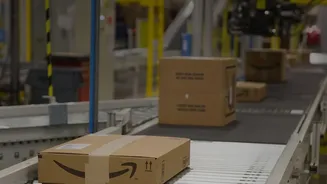
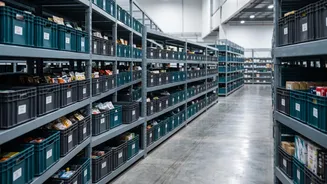
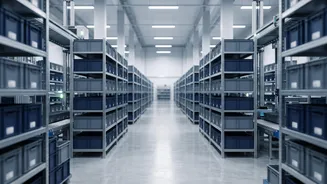
Despite the name, there’s nothing mysterious about a dark store. It's a small warehouse, typically between 1,000 and 3,000 square feet, that is closed to the public. Instead of welcoming shoppers, its entire layout is engineered for one thing: speed.
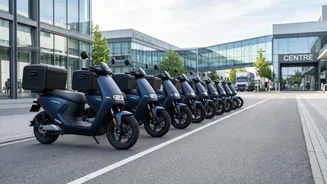
Racks are organized for fast picking, not browsing, with high-demand items like milk and bread placed closest to the packing stations. When you order from an app like Blinkit, Zepto, or Swiggy Instamart, the request goes to the nearest dark store, where an employee picks, packs, and hands off your order to a delivery rider, often in under three minutes. This model is the engine behind the promise of 10-minute delivery.
Bengaluru: The Epicentre of the Boom
Bengaluru is the most concentrated quick-commerce market in India, with more dark stores than any other city. One July 2026 report identified 629 dark stores in the city, representing over 11% of the national total. The city’s dense, tech-savvy population and notorious traffic make a compelling case for on-demand delivery services. Platforms like Zomato-owned Blinkit, Swiggy Instamart, Zepto, and more recently Flipkart Minutes and BigBasket's BB Now, are locked in a fierce battle for market share, opening new stores at a blistering pace. This intense competition is fought on a pin-code by pin-code basis, turning every high-density neighbourhood into a strategic battleground.
The Battle for Bengaluru's Neighbourhoods
The competition in Bengaluru is uniquely fierce. While Blinkit is the national market leader, its lead in Bengaluru is narrow, with Zepto close behind. A July 2026 analysis noted Blinkit had 165 stores, with Zepto just behind at 159. Swiggy Instamart, headquartered in the city, leverages its local knowledge, while Flipkart Minutes and BigBasket are also significant players. This aggressive expansion means that store counts are a moving target. For instance, one platform added nearly 900 stores nationwide in just three months during 2026, illustrating how quickly the landscape can change.
Explaining the Numbers Game
So why do different research reports cite different numbers? The discrepancy isn't necessarily about accuracy but about methodology. First, there's the question of definition: does a 'store' count when the lease is signed, or only when it becomes fully operational? In a market this dynamic, that lag can be significant. Second, data collection methods vary. Some analysts rely on company announcements, which may include future plans, while others use on-the-ground mapping or real estate data, which might not capture every location. Finally, the geographic scope can differ. One report's 'Bengaluru' might cover the core city, while another includes the entire metropolitan region, leading to different totals.
Why the Exact Count Is Less Important Than the Trend
For analysts and investors, the precise number of dark stores is a key metric for gauging market share and competitive intensity. However, for the average consumer and the city at large, the exact figure is less important than the undeniable trend it represents: the hyper-localisation of retail. The explosive growth of dark stores is fundamentally changing urban logistics, consumer behaviour, and the job market. Each new store creates 8-15 in-store jobs and relies on a fleet of delivery riders. The debate over whether Bengaluru has 629 or 735 dark stores misses the larger point. The real story is the speed and scale of a transformation that is making 10-minute delivery a new urban reality.