


Forage for Local and Traditional Flowers
The most authentic and budget-friendly pookalam starts in your own surroundings. Traditionally, pookalams were made with locally available flowers gathered from the neighbourhood. Before rushing to the market, explore your garden or local lanes for traditional
Onam flowers. Blooms like the humble white Thumba (Ceylon slitwort), vibrant red Chethi (Ixora), and hibiscus (Chemparathy) are cornerstones of the pookalam. Not only are these flowers free, but their inclusion also honours the original spirit of the festival, which celebrated local abundance. Even green Tulasi leaves can add a fragrant and sacred touch to your design.
Design Smarter, Not Larger
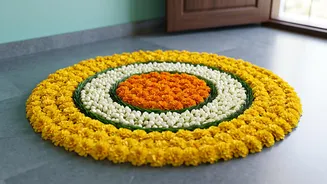
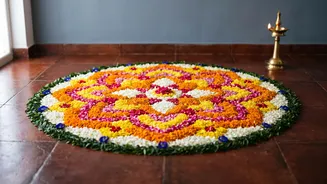
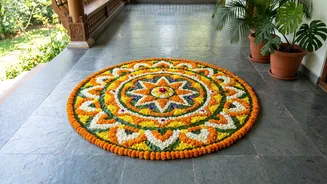
A magnificent pookalam is not always about size; it's about smart design. A smaller, intricate pattern can be more striking than a large, sparse one. Opt for compact circular designs, spirals, or mandala patterns, which create a beautiful effect without consuming a large quantity of petals. Start with a simple three-layer circle, a classic design that's easy to create and looks elegant. You can also make a big impact by focusing on a central motif and leaving more space between elements, using the floor as part of the design. Using a chalk outline first helps in planning the space and ensuring the final arrangement looks full and deliberate.
Incorporate Creative, Non-Floral Materials
Flowers don't have to be the only stars of your pookalam. Get creative by using other natural and household materials to add texture, colour, and volume. Brightly coloured leaves, both fresh and dried, can create stunning borders and fillers. The kitchen is another source of inspiration; use coloured rice, different pulses, turmeric powder for a brilliant yellow, and rice flour for white. These materials are inexpensive and add a unique, earthy element to your design, reducing the overall quantity of flowers needed. You can even use small clay diyas or brass lamps to outline the design for a magical evening glow.
Focus on High-Impact, Low-Cost Flowers
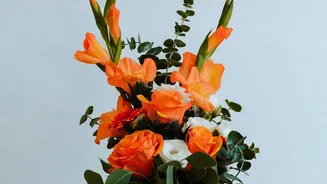
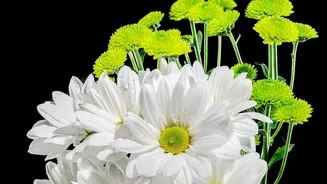
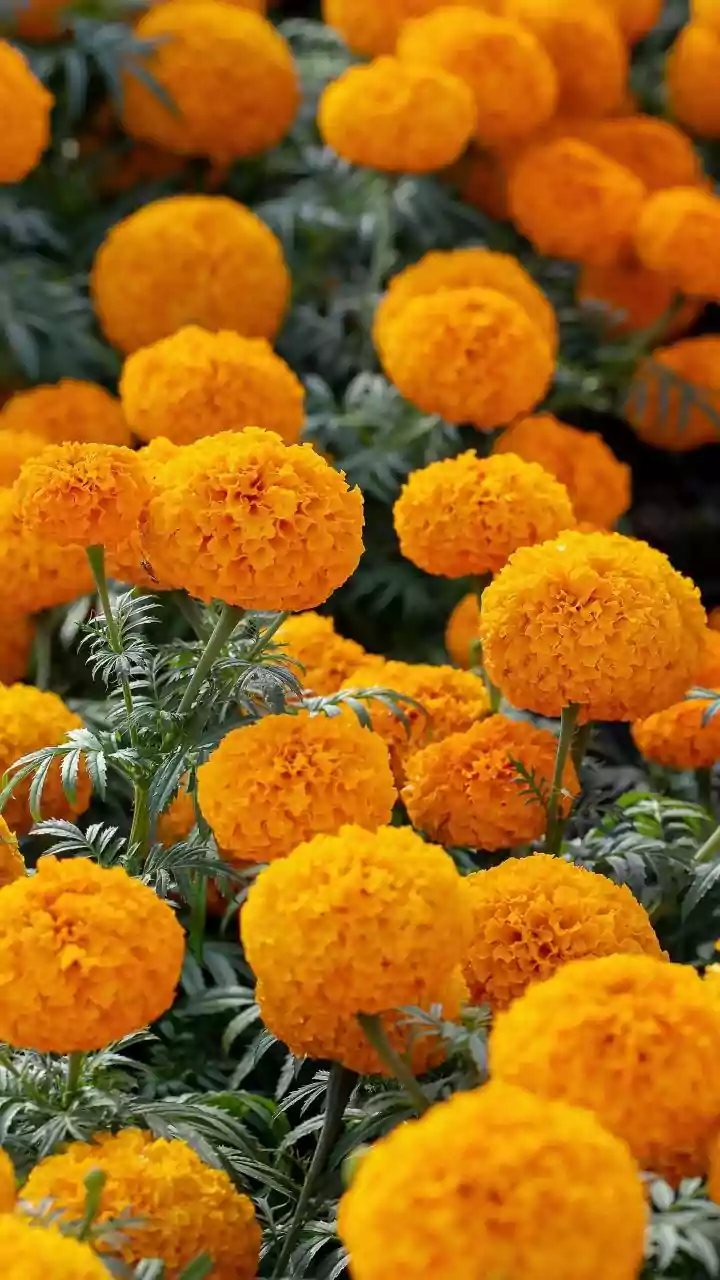
When you do head to the market, be a savvy shopper. Flowers like marigolds (Jamanthi) and chrysanthemums are often more affordable and provide great volume, making them perfect for filling larger sections of your pookalam. They come in vibrant shades of yellow, orange, and white, which are central to Onam's colour palette. You can use their petals to create broad rings of colour and then use a smaller quantity of more expensive or rarer flowers, like roses or jasmine, as accents for the more detailed parts of your design. This strategy allows you to create a lush, colourful pookalam while keeping costs under control.
Make It a Community Effort
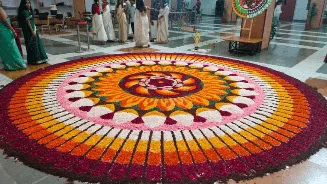
Onam is a festival of togetherness, and creating a pookalam can reflect that spirit. Instead of each family buying small, expensive packets of flowers, consider pooling resources with your neighbours or friends. Buying flowers in bulk from wholesale markets often leads to significant savings. You could create a large, spectacular pookalam for the entire apartment building or society to enjoy, turning the activity itself into a community celebration. Alternatively, families can share the bulk purchase, ensuring everyone gets a variety of flowers at a much lower cost than they would individually. This collaborative approach not only saves money but also strengthens community bonds during the festive season.