




The Concrete Jungle's Fever
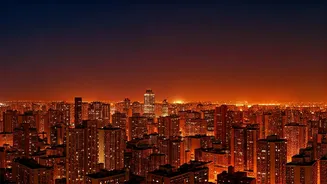
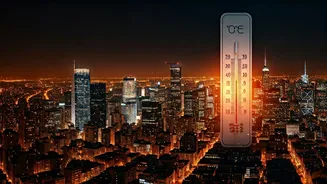
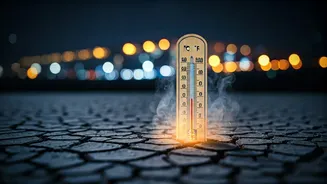
The primary driver behind this phenomenon is the Urban Heat Island (UHI) effect. In simple terms, our cities have become giant sponges for heat. Materials like concrete, asphalt, and brick, which make up our roads, buildings, and pavements, are excellent
at absorbing solar radiation during the day. Unlike natural landscapes with soil and vegetation, these materials release this stored heat slowly throughout the night, preventing the city from cooling down effectively. This effect is so pronounced that urban areas can be several degrees warmer than their surrounding rural counterparts, particularly after sunset.
Vanishing Greens and Blues
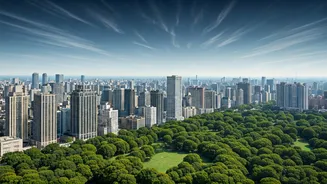
Compounding the problem is the rapid disappearance of green and blue spaces—parks, trees, lakes, and wetlands. As cities expand, these natural cooling systems are often the first casualties, replaced by more heat-trapping concrete. Trees provide shade, which can reduce surface temperatures significantly, and also cool the air through a process called evapotranspiration, where water is released into the atmosphere. A study found that increasing tree cover by just 5% can lower local temperatures by 1°C. The loss of these natural assets means cities lose their ability to cool themselves, leading to warmer nights.
The Shape of Our Cities Matters
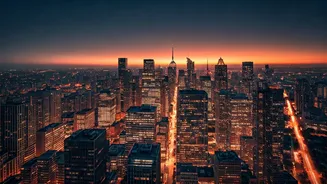
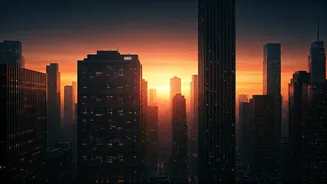
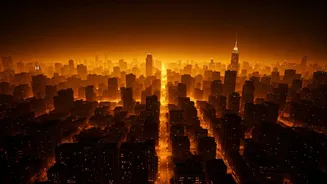
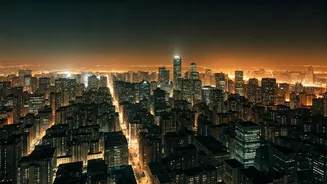
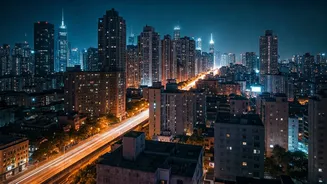
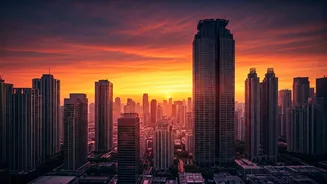
The very structure of modern cities contributes to the heat. Dense clusters of tall buildings create what are known as "urban canyons." These canyons trap heat and block wind from circulating and carrying the warmth away. Furthermore, the design of buildings themselves, often featuring large glass facades and materials unsuitable for the local climate, can exacerbate the problem. Traditional Indian architecture often incorporated features like courtyards and jaalis (latticed screens) for natural ventilation, principles that are frequently overlooked in modern construction.
Heat from Human Activity
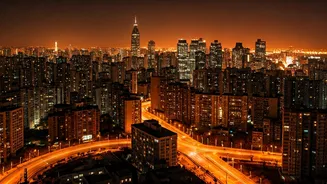
Finally, there is the heat we generate ourselves, known as anthropogenic heat. This comes from vehicles, industrial processes, and, ironically, the very devices we use to stay cool. Air conditioners work by pumping heat from inside a building to the outside, warming the immediate surroundings. In dense areas with high AC usage, this creates a vicious cycle: the more we cool our homes, the more we heat the city, especially at night. This feedback loop further intensifies the Urban Heat Island effect, making it even harder for the city to find its nighttime cool.
The Cost of a Warm Night
These escalating nighttime temperatures are more than just a matter of discomfort. The lack of nocturnal cooling prevents our bodies from recovering from daytime heat stress, increasing the risk of heat-related illnesses like exhaustion and heatstroke. It disrupts sleep, impacts productivity, and places a greater strain on vulnerable populations, including the elderly, children, and outdoor workers. Moreover, it drives up electricity demand for cooling, putting pressure on power grids and increasing household expenses.