





The Shifting Tides of Remote Work
For years, Goa was the default answer for anyone in India looking to swap a cubicle for a seaside café. But as Goa’s popular stretches became more crowded and expensive, a quieter migration began. Digital nomads, armed with laptops and deadlines, started
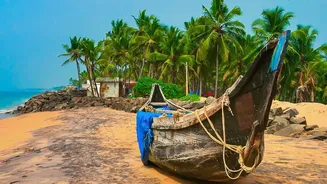
seeking alternatives that offered a better balance of peace and productivity. Varkala and Gokarna, once known primarily as pilgrimage sites and backpacker havens, emerged as frontrunners. These towns offered what many now crave: a slower pace of life without sacrificing the digital connectivity essential for modern work. Their transformation into legitimate work-from-anywhere destinations wasn't the result of a top-down government plan, but rather an organic evolution driven by local entrepreneurs and the growing demands of a mobile workforce.
The Wi-Fi Revolution: A Tale of Two Coasts
The most critical factor in this transformation has been the significant upgrade in internet infrastructure. While both towns have become viable for remote work, their paths to connectivity differ. In Varkala, the change was more direct. In recent years, fibre optic cables reached the main cliff area, a game-changer for the cafes and guesthouses perched there. Local business owners, recognizing the economic potential, invested in robust Wi-Fi to attract a clientele that stays longer and spends more. Cafes now openly advertise their suitability for work, offering not just internet but also power outlets and a welcoming atmosphere for laptop users. Gokarna's journey has been more piecemeal. While it lacks the uniform fibre coverage of Varkala's cliff, the widespread availability of reliable 4G from providers like Jio and Airtel has made working possible. Nomads here often rely on their own mobile hotspots as a primary or backup option. Simultaneously, a new breed of 'workation' retreats is emerging in the vicinity, offering dedicated high-speed fiber internet and power backups, catering specifically to professionals seeking a rustic setting with city-like amenities.
Varkala: Cliffside Chic and Reliable Connectivity
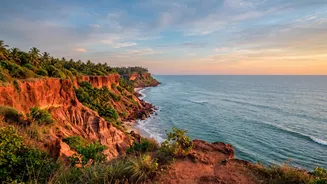
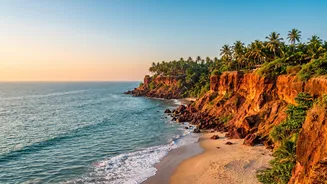
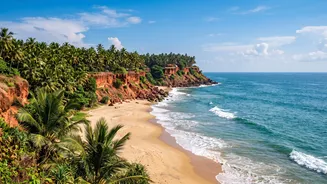
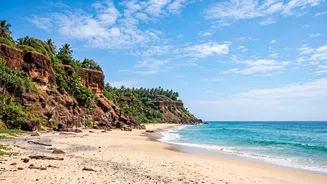
Varkala's appeal is polished and accessible. The town is famous for its dramatic red cliffs that offer stunning views of the Arabian Sea, and a long line of cafes have set up shop to capitalize on this unique geography. Establishments like Darjeeling Cafe, Coffee Temple, and InDa Cafe are frequently recommended within nomad circles for having surprisingly solid internet, great coffee, and an atmosphere conducive to work. The vibe is often described as 'cliffside chic'— a blend of yoga and wellness culture with a comfortable, almost European-style café society. This ecosystem makes Varkala a 'plug-and-play' destination for remote workers who value convenience. The cost of living is slightly higher than in Gokarna, but in return, nomads get better food options, more comfortable accommodations, and the assurance that a stable Wi-Fi connection is usually just a short walk away.
Gokarna: Rustic Charm and Budget-Friendly Focus
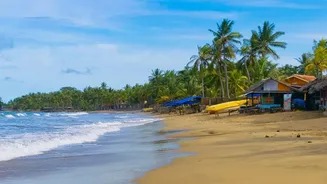
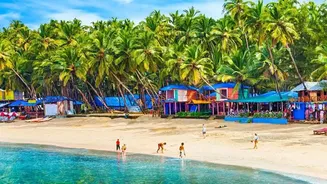
If Varkala is about comfort, Gokarna is about rustic adventure. Known for its pristine beaches like Kudle and Om, which are connected by a popular trekking path, Gokarna offers a more grounded, back-to-nature experience. The digital nomad scene here is less about chic cafes and more about finding a quiet corner in a beach shack or relying on a mobile hotspot. The trade-off for less consistent Wi-Fi is a significantly lower cost of living. Accommodation in beach huts and simple guesthouses is very affordable, and the overall vibe is quieter and more laid-back, attracting a younger crowd of backpackers and long-stay travellers on a tight budget. Working from Gokarna requires more planning—many seasoned nomads carry backup SIM cards—but it rewards with a sense of tranquility and seclusion that is harder to find in more developed hubs.
A Bottom-Up Blueprint for Success
The rise of Varkala and Gokarna is a story of grassroots economic development. It showcases how small towns can tap into global trends like remote work. The initial draw was the natural beauty and affordability. But the factor that solidified their status as nomad hubs was the investment by local businesses in the necessary infrastructure. This created a virtuous cycle: good Wi-Fi attracted nomads, who then formed communities and shared information, making it easier for more remote workers to follow. These informal networks—WhatsApp groups that share tips on everything from reliable landlords to impending power cuts—are just as crucial as the physical cables. They provide the support system that turns a temporary workation spot into a place where people can build a sustainable, long-term lifestyle.