


Start With a Core Ingredient Audit
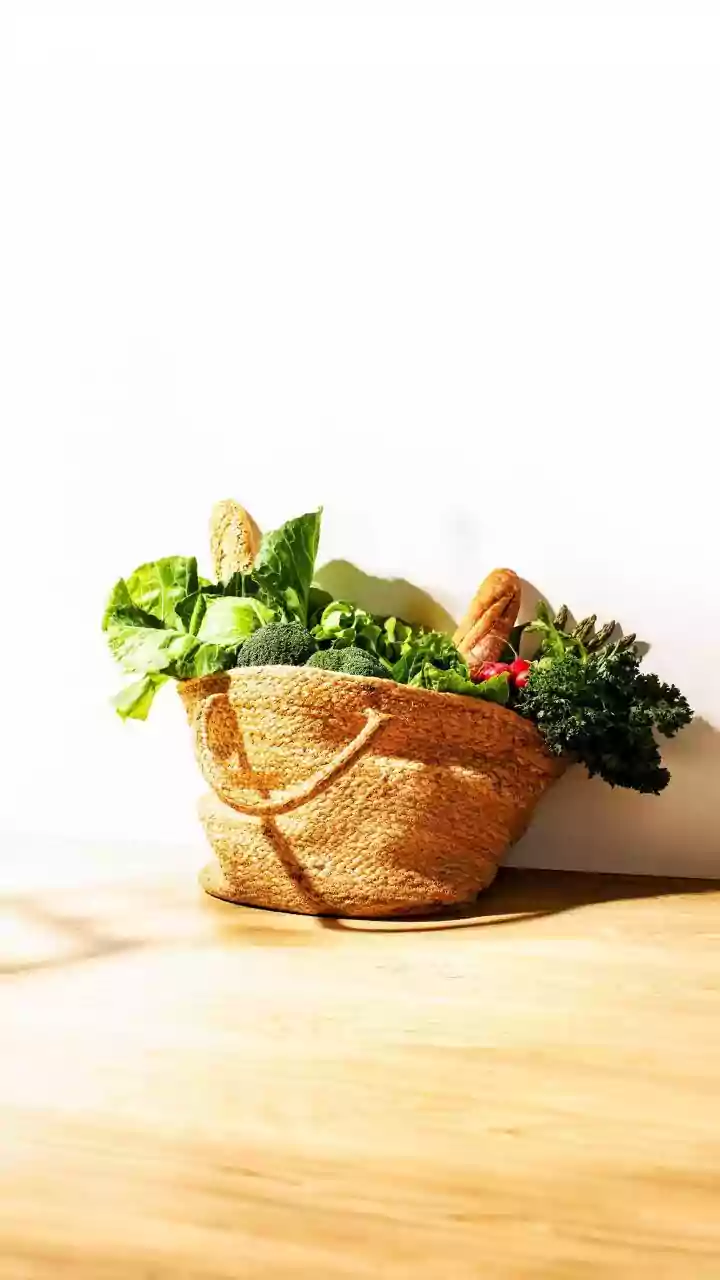
The first step to smarter cooking is understanding what you already use. Before your next grocery run, take stock of your pantry, fridge, and freezer. Identify the staples that form the backbone of your meals—items like onions, tomatoes, potatoes, garlic,
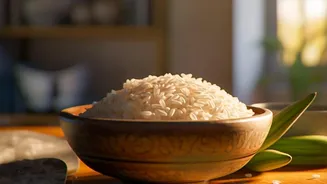
ginger, rice, and lentils. These are your foundational ingredients. By consciously recognising these core items, you can begin to think about them not just for a single recipe, but as versatile building blocks for the entire week. This simple audit helps you create a more focused shopping list, preventing you from buying one-off items that are destined to be forgotten. Planning around these workhorse ingredients is the most effective way to start minimising waste and saving money.
Embrace Component Prepping
Instead of prepping entire meals for the week, which can lead to flavour fatigue, try prepping components. This approach, often called component cooking, offers more flexibility and creativity. At the start of the week, you might cook a large batch of chickpeas, roast a tray of seasonal vegetables, boil some potatoes, or grill several chicken breasts. These prepared components can then be stored in the fridge and quickly assembled into different meals. That batch of chickpeas can become part of a salad for lunch one day, a key ingredient in a curry the next, and blended into hummus for a snack. This method cuts down on daily cooking time significantly and allows you to mix and match flavours, so you never feel like you're eating the same thing.
Plan for Versatility, Not Just Recipes
Shift your meal planning mindset from individual recipes to ingredient potential. When you decide to make a capsicum-heavy stir-fry, plan another meal that week that also uses capsicums, like a simple roasted vegetable side dish or a topping for homemade pizza. This is known as ingredient cross-utilization, a technique professional kitchens use to maximise efficiency. This strategic overlap ensures that when you buy a larger, more economical package of an ingredient, you have a clear plan to use it all. Think of it as the 'plus-one' method: for every key ingredient you plan for, give it at least one other job during the week.
Master Different Cooking Methods
The same vegetable can taste completely different depending on how you cook it. Mastering a few basic cooking techniques is key to fighting flavour boredom when using overlapping ingredients. Carrots, for example, can be shredded raw into a salad for a fresh crunch, roasted until sweet and caramelised, or boiled and mashed into a soup. Broccoli can be steamed for a bright, clean taste, or roasted at high heat for crispy florets with a nutty flavour. Sautéing, grilling, steaming, and roasting all bring out different textures and tastes from the same ingredient, making it feel new each time you serve it. This variety is crucial for making a week of planned-out meals feel exciting and fresh.
Make Your Freezer a Strategic Tool
The freezer is more than just a place for ice cream and frozen peas; it's a powerful tool for preserving overlapping ingredients. If a recipe only calls for half an onion, chop the rest and freeze it for your next soup or curry base. Have leftover ginger-garlic paste? Freeze it in an ice cube tray for perfectly portioned flavour bombs. You can also freeze leftover sauces, dals, or even cooked grains. This practice not only prevents food from spoiling in the fridge but also gives you a head start on future meals. Getting into the habit of freezing leftovers and prepped components ensures that almost nothing goes to waste and your future self will thank you for the convenience.