





Why Your Home Smells More Now
If you've noticed that your otherwise clean home has started to carry a distinct 'pet' smell, you're not imagining it. The science is simple: humidity makes smells worse. The high moisture content in the monsoon air traps and holds onto odour molecules,
preventing them from dispersing. This means that smells from the litter box, damp fur, and even old, dried urine stains that were previously unnoticeable can be 'reactivated' by the moisture and become much more prominent. Furthermore, the damp, warm conditions are a perfect breeding ground for the bacteria that cause odours in the first place, compounding the problem.
Winning the Litter Box Battle
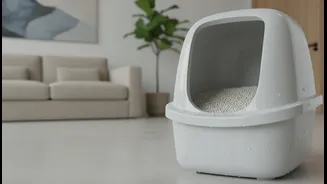
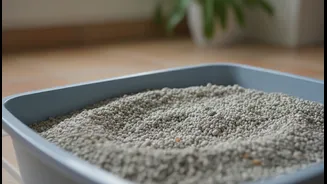
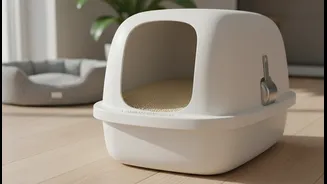
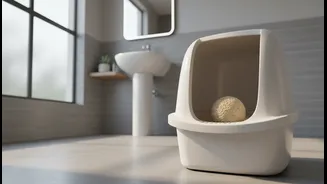
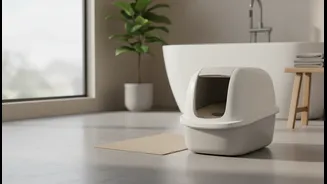
The litter box is the primary front in the war against monsoon odours. High humidity can prevent cat litter from clumping effectively and absorbing moisture, which in turn amplifies the smell of ammonia from cat urine. To combat this, you need to be more vigilant. Scoop waste at least twice a day, instead of just once. Consider switching your litter type for the season; silica gel, pine, or mixed-formula litters often perform better in humid conditions than standard clay or tofu-based litters. A simple, highly effective trick is to sprinkle a thin layer of baking soda at the bottom of the tray before adding fresh litter. This naturally absorbs both moisture and odours. For an extra layer of defence, place a box of activated charcoal near the litter box area to pull smells directly from the air.
Managing a Damp Cat
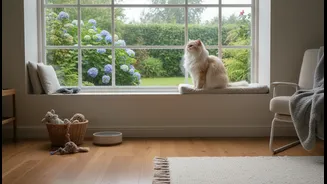
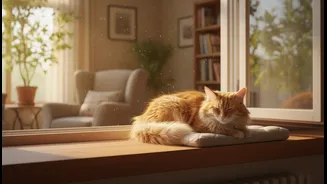
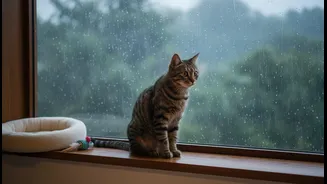
Even indoor cats can get damp during the monsoon, whether from a humid balcony or an open window. This trapped moisture in their fur can lead to a musty smell and even skin infections. If your cat gets wet, towel-dry them thoroughly, paying special attention to their paws and belly. Regular grooming is also crucial during this season. Brushing your cat’s coat daily helps remove loose fur that can trap moisture and debris. Clean their paws with a damp cloth after they’ve been in potentially damp areas to prevent them from tracking mud and bacteria through the house. It’s a good time to be extra observant for any signs of skin irritation, redness, or excessive scratching, which could indicate a fungal infection.
Reclaiming Your Living Space
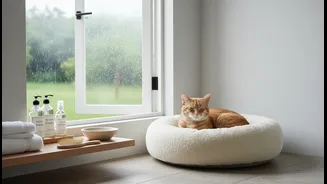
Beyond the litter box and the cat itself, your home environment needs attention. Increasing ventilation is key; open windows for cross-breeze whenever it's not raining and use fans to keep air circulating. If your home feels persistently damp, investing in a dehumidifier can make a significant difference in both comfort and odour control. Wash your cat’s bedding, blankets, and any soft toys more frequently, and if possible, dry them in the sun, which is a natural bactericide. For any new accidents on carpets or upholstery, avoid regular household cleaners. Instead, use an enzyme-based cleaner, which breaks down the uric acid in cat urine to permanently eliminate the smell, rather than just masking it. For general air freshness, avoid chemical-laden sprays that can be harmful to cats. A simple, pet-safe alternative is a spray bottle filled with water and a small amount of white vinegar.